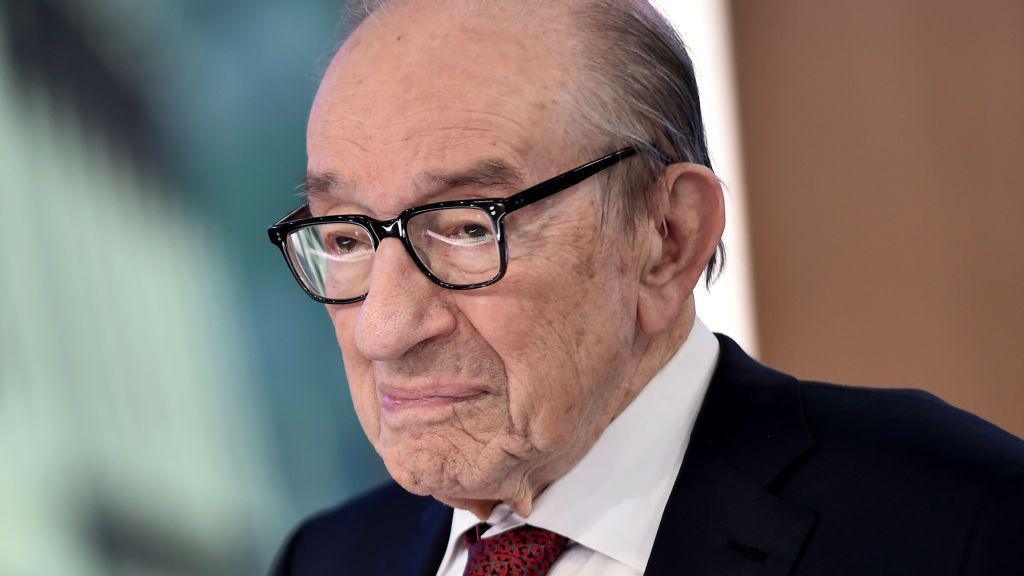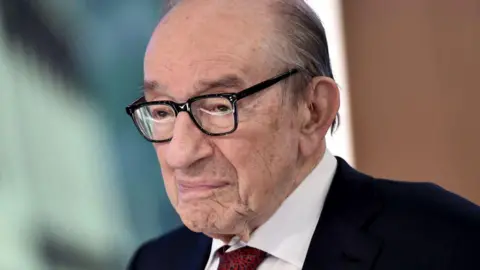
Former U.S. Federal Reserve chairman Alan Greenspan died at the age of 100, according to a statement from his wife, NBC reporter Andrea Mitchell.
The 60‑year‑old economist rose to global prominence in 1987, when President Ronald Reagan appointed him to the top monetary‑policy post. Over the next two decades Greenspan steered the U.S. through a long period of prosperity, responding to six major market crashes – the 1987 stock‑market crash, the Gulf War, the Mexican peso devaluation, the dot‑com bust, and the 2008 global crisis – by cutting interest rates and providing liquidity, a policy later nicknamed quantitative easing.
His tenure earned him a place on the list of the most powerful figures in modern economic history, and he became known for his monumental silence on the media, letting his occasional remarks speak for the whole board. Critics, however, argue that his low‑rate stance and his belief in the self‑regulating power of the financial sector helped inflate the uninsured bubbly asset markets that exploded in 2000, and later contributed to the housing‑market collapse of 2008. In a 2008 testimony to Congress, Greenspan admitted that regulators and banks had failed to self‑regulate and that the industry had acted in ways that contradicted his free‑market philosophy.
Before he became the Fed’s chief, Greenspan had a colorful background: a former clarinetist who studied at Juilliard, a saxophone player in a band, and an economics student at New York University. He had worked on the Council of Economic Advisers under Presidents Nixon, Ford, and Reagan, before taking the helm of the central bank.
Beyond policy, Greenspan was known for his personal quirks – a serious tennis habit, a quick marriage to a Canadian artist that lasted a year, a relationship with TV icon Barbara Walters, and eventually a long marriage to Mitchell.
After leaving the Fed in 2006, he continued to appear in the public eye, critiquing President Trump’s populist agenda and the United Kingdom’s Brexit decision. He celebrated his 100th birthday in March 2026 and continued to warn about rapid interest‑rate hikes in 2023.
The Federal Reserve released a statement that praised Greenspan for “rigorous analytical discipline” and “credibility” that shaped not only the bank but the broader field of economics.
He was awarded the Presidential Medal of Freedom and a knighthood from Queen Elizabeth II, cementing a legacy that continues to spark debate about the balance between free markets and regulation.

Greenspan’s death marks the end of an era for a man whose career spanned from the post‑war boom of the 1950s through the brink of the 21st‑century financial crisis. Though praised for preserving the U.S. dollar’s stature, he remains a figure of contention for the markets that his policies helped inflate. His legacy as the “God in the Machine” of American finance will be felt in halls of power for decades to come.