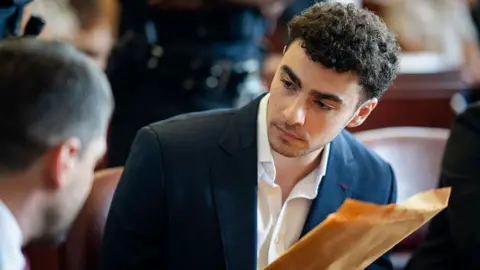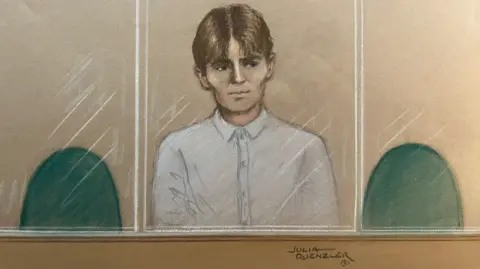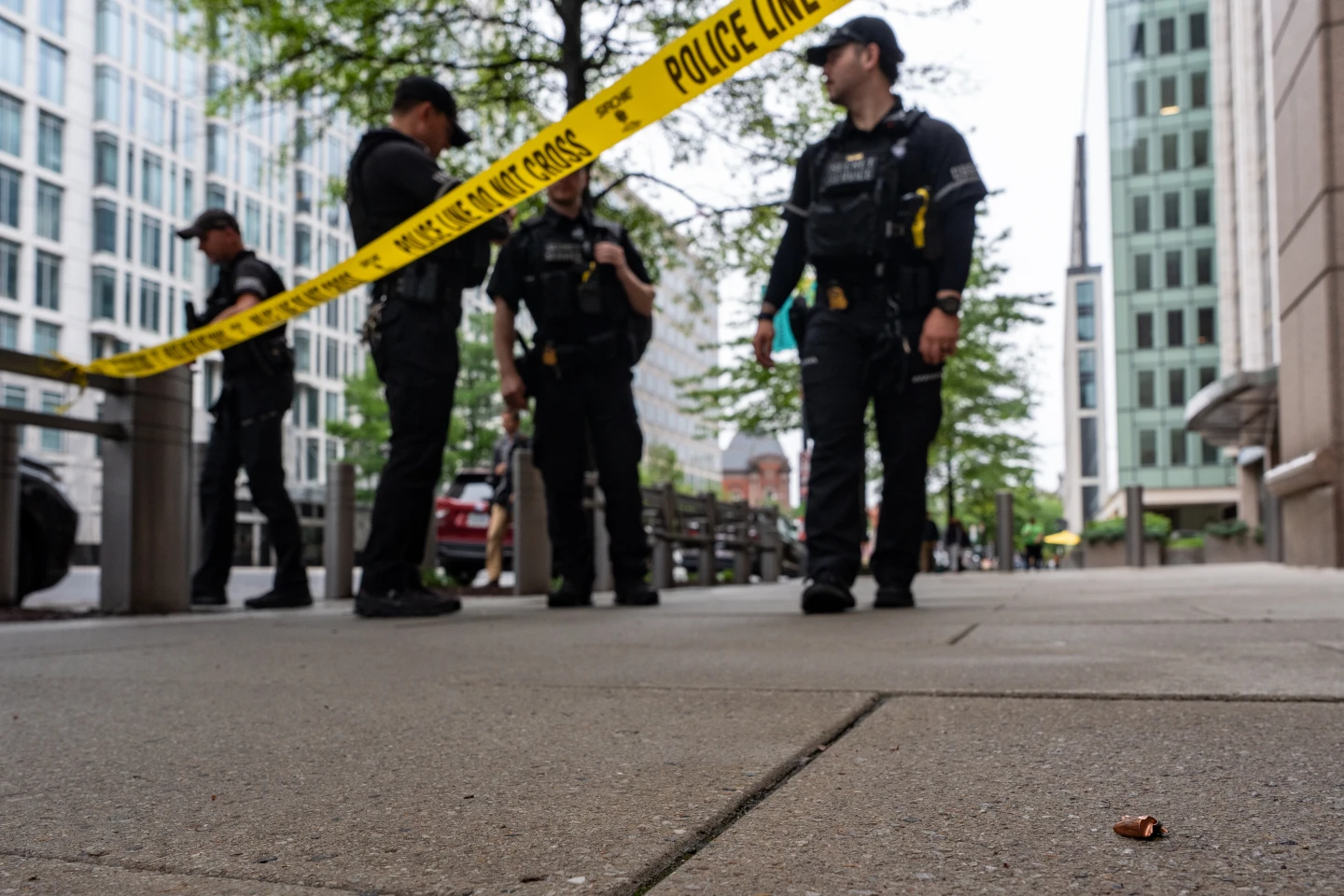
A Colombian senator and presidential candidate, Miguel Uribe Turbay, remains in intensive care after sustaining multiple gunshot wounds—two to the head—during a campaign rally on Saturday in Bogotá. The incident occurred while Uribe, a member of the conservative Centro Democratico party, was addressing his supporters in a public park. Authorities quickly apprehended a 15-year-old suspect at the crime scene, according to the attorney general’s office.
Uribe's wife, Maria Claudia Tarazona, has urged citizens to pray for her husband's recovery, stating, “Miguel is currently fighting for his life. Let us ask God to guide the hands of the doctors who are treating him.” Following the shooting, his party, Centro Democratico, condemned the act, viewing it as an assault on "democracy and freedom in Colombia."
Witness footage shared on social media captured the chaotic moment when Uribe was shot mid-speech, causing attendees to flee in fear. Uribe was swiftly airlifted to the Santa Fe Foundation hospital, where a vigil was held by anxious supporters awaiting news of his condition. Bogotá Mayor Carlos Fernando Galán confirmed Uribe underwent emergency surgery for life-threatening injuries and is currently in critical condition after additional procedures regarding wounds to his head and thigh.
The apprehended teenager reportedly suffered a leg injury while fleeing the scene and was found with a "9mm Glock-type firearm." The motive behind the attack remains unclear, prompting ongoing investigations by local authorities. In a joint statement, the government under President Gustavo Petro condemned the act as not only a personal attack on Uribe but also an affront to democratic values.
Defense Minister Pedro Sanchez described the shooting as a “vile attack” and announced a hefty reward of 3 billion pesos (approximately $730,000) for information leading to the perpetrators. Additionally, U.S. Secretary of State Marco Rubio labeled the incident a "direct threat to democracy," attributing it to "violent leftist rhetoric" from government figures, although he did not specify examples.
The tense political climate has escalated in the days leading to the shooting. President Petro has been rallying support for his reforms, which opponents like Uribe have criticized as unconstitutional. In an address to the nation, Petro acknowledged the political rift but stressed the need for unity in wishing for Uribe’s recovery.
Uribe, a right-wing critic of Petro, announced his candidacy for the 2024 presidential election in October. He hails from a notable political lineage in Colombia, with personal experiences that reflect the nation's tumultuous past; his mother was a journalist murdered in a kidnapping related to the drug cartel of Pablo Escobar.
The shooting resonates with historical political violence, a chilling reminder of Colombia's past when similar threats were prevalent. Mayor Galán emphasized the urgency of preventing a return to such violent times within the political arena. Despite initial progress towards "total peace," President Petro's government faces ongoing challenges with security and incidents of violence, particularly concerning armed groups.
For many, this incident not only highlights the fragility of Colombia's political landscape but also the persistent threat of violence that looms over its democratic processes.