In brief
Amid rising interest in seabed resources, the U.S. government is evaluating a mining proposal that ignites tensions regarding international laws.
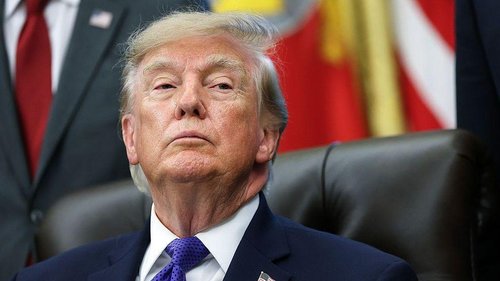
Commercial mining of underwater resources took a significant step towards becoming a reality as the U.S. Interior Department announced it would review a request from a California-based firm, Impossible Metals. The proposal involves extracting vital minerals from the seabed off the coast of American Samoa. This announcement comes after President Trump's recent executive order aimed at expediting permits for seabed mining activities in both U.S. and international waters. Many countries, however, express skepticism regarding the United States' legal authority to mine in international waters, given a United Nations treaty that mandates cleanup norms and regulatory frameworks before any mining can commence. The official's insistence that the U.S. can assert rights over the ocean floor has led to significant backlash from various governments and environmental activists who claim it violates established international laws.The seabed harbors potato-sized nodules rich in critical minerals like nickel, cobalt, and manganese, all essential for modern technologies and national security. With supply chains for these minerals increasingly dominated by China, U.S. interests have become more vocal about securing domestic sources. However, the challenges associated with seabed mining are considerable, both technologically and environmentally. So far, no large-scale commercial mining has been performed on the ocean floor due to these hurdles, but with increasing demand for the materials found in these underwater deposits, pressure is mounting on governments to act swiftly. The combination of economic necessity and geopolitical strategy continues to drive the U.S. towards aggressive exploration of seabed resources while drawing ire from the broader international community.