In brief
Across the United States, tech firms are encountering escalating resistance from communities resistant to the establishment of massive data centers. These facilities, vital for supporting artificial intelligence and cloud computing, have sparked public outcry, fueled by worries over environmental effects, property values, and quality of life. Numerous projects have been stalled or rejected as local residents unite in opposition, reflecting a rising trend of community activism against Big Tech.
SPRING CITY, Pa. (AP) — Tech companies and developers looking to invest billions of dollars in expansive data centers to power artificial intelligence and cloud computing are increasingly facing resistance from communities that do not want these facilities in their neighborhoods.
Communities across the U.S. are learning from one another's disputes against the burgeoning number and size of data center proposals aimed at meeting high demand and needing faster connections to power sources.
Many local boards are grappling with whether energy- and water-intensive data centers fit into their zoning laws, with some attempting to draft new ordinances, while others lack zoning regulations altogether.
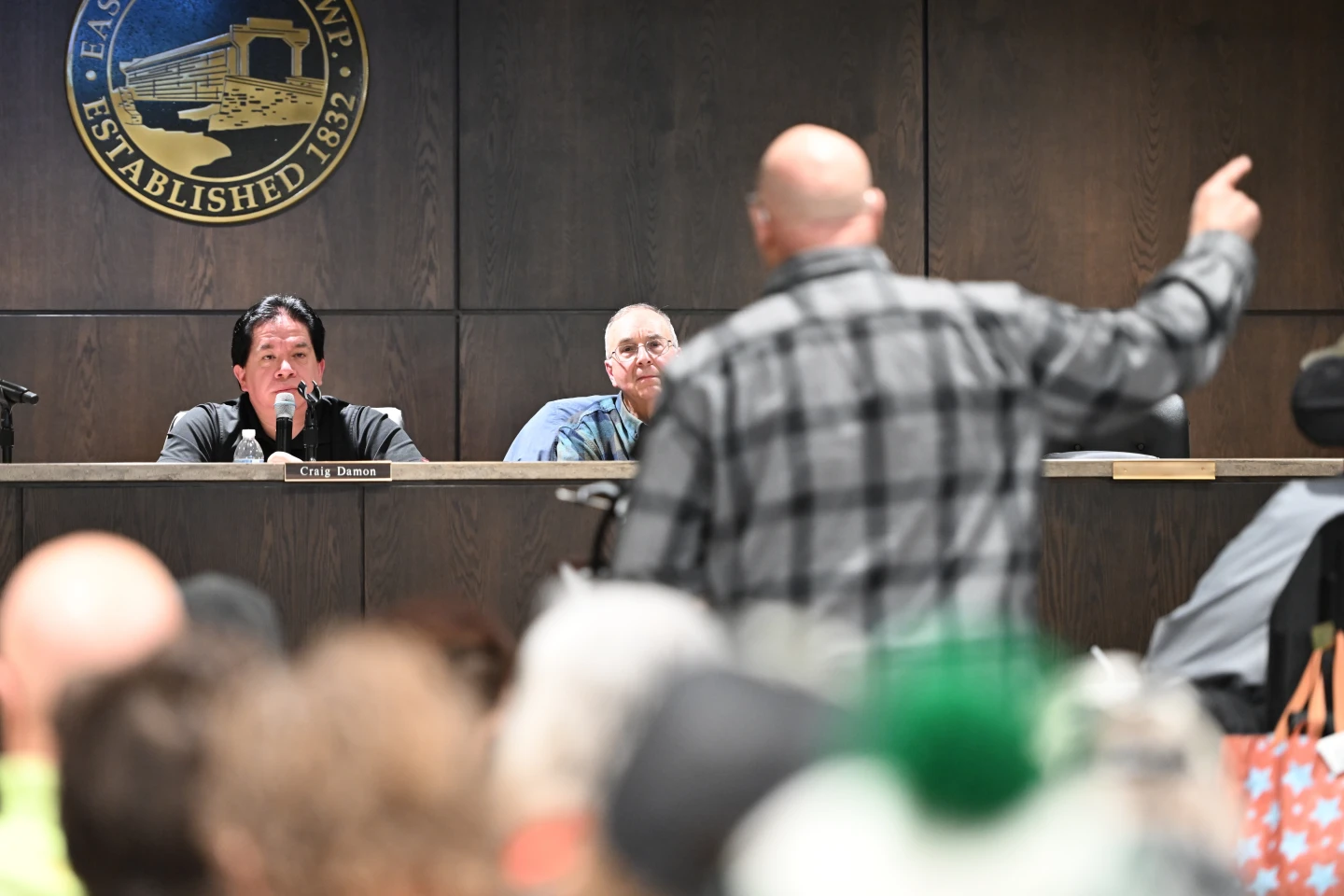
As news of proposed data centers spreads, once quiet municipal meetings in rural and suburban areas now attract packed rooms of concerned residents urging local officials to reject the developments.
“Would you want this built in your backyard?” Larry Shank questioned local supervisors in East Vincent Township, Pennsylvania, last month. “Because that’s where it’s literally going, is in my backyard.”
Rising Opposition to Data Centers
A growing number of proposals are being rejected, alarming Big Tech firms, real estate developers, and utilities alike. According to Andy Cvengros, a leader in the data center sector at JLL, there have been multiple instances where opponents have actively campaigned against projects through door-to-door efforts and distributing merchandise to rally support.
Data Center Watch, part of 10a Labs, an AI security consultancy, reported a notable rise in local and political disruptions stalling development projects. In a recent quarter, they documented 20 proposals valued at approximately $98 billion that faced halts due to community opposition.
Some environmental groups report daily inquiries from activists looking to protect their communities, underscoring the scale of local pushback.
Common Concerns Among Residents
Those opposed often cite increasing electric bills and concerns over losing open spaces and the potential deterioration of community quality, including noise from diesel generators and server operations. Some are also anxious about the impact on local water sources.
Litigation is emerging from both developers and local governments over perceived violations of regulations. Tech giants such as Microsoft, Google, and Amazon have remained largely silent on the pushback, but Microsoft has recognized the issue in its disclosures regarding operational risks.
Despite support from state and federal entities, developers are finding that community resistance is having a significant effect on their planning and investment strategies.
Data Centers Impacting Local Politics
Attempts to sway local officials have not translated into increased public approval. In Matthews, NC, a proposed data center project aimed at funding half the city’s budget was withdrawn after Mayor John Higdon informed developers of overwhelming community opposition. Residents voiced discontent with the secrecy surrounding the proposal.
In Hermantown, Minnesota, plans for a massive data center have been stalled amidst local concerns about environmental assessments and transparency, rallying community members to organize through social media.
This sentiment of distrust extends further to personal stakes, as individuals fear that proposed projects could jeopardize their property and livelihood. Residents, like Rebecca Gramdorf, whose farm is endangered, are preparing for extended fights against proposed developments.
“I don’t think this fight is over at all,” she affirmed.