In brief
UN relief chief Tom Fletcher has called for open roads into Taiz, Yemen, after the city faces severe shortages. He urged parties to unblock routes and criticized the detention of humanitarian staff by Houthi forces.
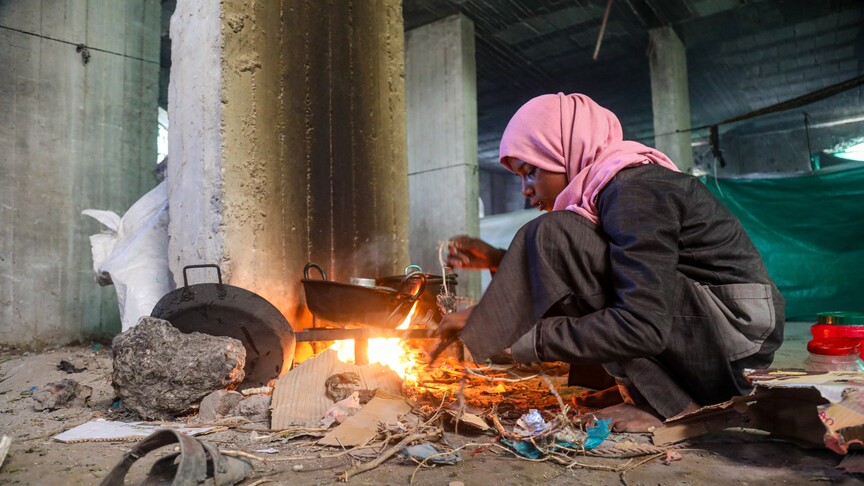
In the southwestern Yemeni city of Taiz, home to about one million residents, a humanitarian crisis continues to deepen. UN relief chief Tom Fletcher said the city is suffering because all major roads leading in and out of Taiz have been shut and supplies are dwindling. He warned that civilians are paying a “brutal price” for a conflict that has displaced almost 300,000 people since August.
Fletcher posted the remarks on the U.S. social‑media platform X, adding that food prices in Taiz have risen more than 50 percent and that water production has dropped to half its normal level. He said hospitals are running out of fuel and medicines and that the number of displaced people the UN’s agencies can serve has reached about 260,000, yet the needs far outstrip this response.
“Our asks are clear. Open the roads and let them through. Civilians cannot be held hostage by the fighting,”
Fletcher also expressed outrage over the death of Mohammad el Shami, a staff member of the UN Human Rights Office in Yemen, who was held in Houthi custody since June 6, 2024. El Shami was the second UN employee to die in Houthi detention. He noted that roughly 70 UN staff and dozens of other humanitarian workers remain detained, and they “are not bargaining chips. Release them,” he added.
The blockade is due to the actions of forces allied with the Iran‑backed Houthi movement, which has ensnared Taiz in a siege that cuts off all convoys. The UN has called for a rapid opening of supply corridors and for the parties to agree on humanitarian air bridges that can bypass the blockades.
In a prior conversation with Yemen’s Foreign Minister Afrah Abdulaziz Al‑Zouba, Fletcher explained that the humanitarian partners can reach only about 260,000 displaced people, while many more remain in need. He urged the international community to increase financial assistance so contingency supply routes can be established.
Yemen’s war began in 2014 when the Houthis seized the capital Sanaa. In 2015 the Saudi‑led coalition intervened to support the internationally recognized government. The fighting has targeted cities, severed supply routes, and left civilians trapped inside besieged towns such as Taiz with little access to medicine, clean water or food.
Experts say the crisis in Taiz shows how the conflict can destroy the very means of survival for ordinary people. UN officials have repeatedly warned that without open roads and unimpeded aid, the city could face widespread starvation, disease and further displacement.
In the coming days, UN relief agencies will monitor traffic reports and coordinate with local authorities to confirm the status of road networks. At the same time, donors and humanitarian organisations are encouraged to increase funding so that contingency supply routes can bypass the blockades. The UN hopes that its messages will convince the parties controlling the roads to act quickly, possibly saving thousands of lives.