In brief
Customers flock to the only authorized branch of Alta Banka in Bitola after its licence was revoked, with the bank allowing a 20,000 MKD withdrawal limit. The move has drawn criticism from opposition parties, who call for the resignation of Finance Minister Gordana Dimitrieska‑Kochoska, while the finance ministry stresses the banking system remains stable.
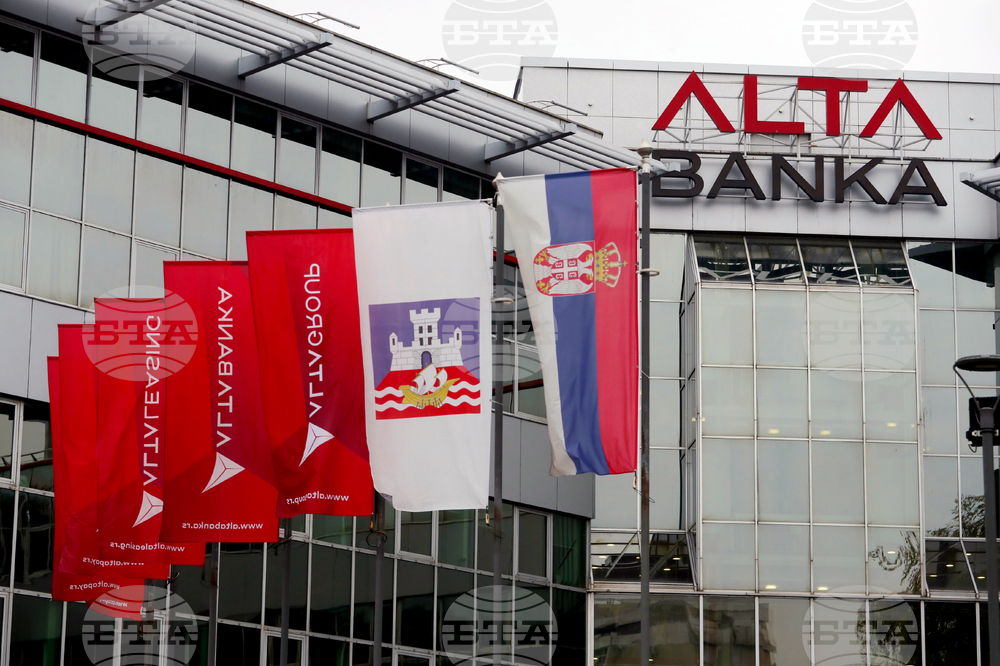
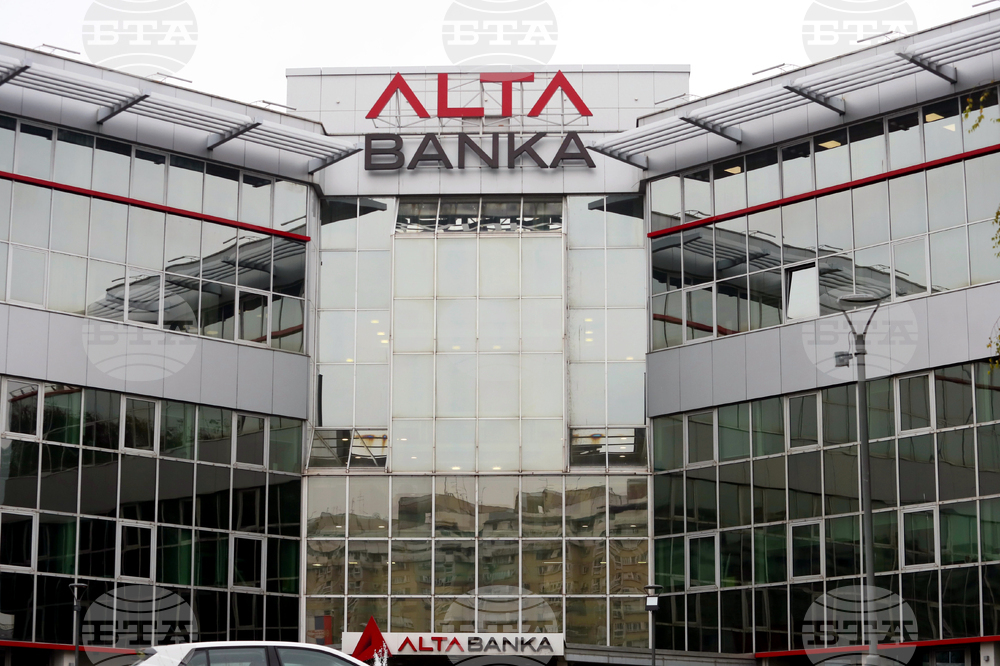
Bitola, North Macedonia — Queues of pensioners and other customers have formed at the only authorized branch of Alta Banka AD Bitola since Thursday morning after the National Bank of the Republic of North Macedonia revoked the licence of the foreign branch, Alta Banka AD Belgrade, and placed the local bank under administration.
Customers who do not hold a bank card are allowed to withdraw up to 20,000 MKD (about EUR 320) in cash, but only at this one location. The restrictions apply with a weekly limit of 10,000 MKD on cash withdrawals from automated teller machines, which many patrons report have no cash available.
The National Bank’s decision to place Alta Banka under administration was prompted by the revocation of its foreign licence, which left the bank’s customers in a state of uncertainty about the safety of their deposits.
Opposition parties, particularly the Social Democratic Union of Macedonia, have seized the opportunity to protest the government’s handling of the situation, criticizing Finance Minister Gordana Dimitrieska‑Kochoska for what they consider a lack of transparency and consultation with the National Bank’s governor.
Social Democratic leader Venko Filipce wrote on Facebook, demanding the finance minister’s resignation and calling for an investigation into both the prime minister and the minister. "Gordana Dimitrieska-Kochoska must resign. She is lying about Alta Banka," he wrote. "The Public Prosecutor’s Office must immediately launch an investigation into both [Prime Minister] Hristijan Mickoski and Kochoska. The European Public Prosecutor’s Office must also get involved to examine all the money flows involving Alta Banka. Mickoski’s government was not merely informed. It was Kochoska herself who proposed the adoption of conclusions directly related to Alta Banka AD Belgrade’s offer to acquire shares in 16 public institutions," Filipce posted, attaching screenshots of what he described as minutes from a government meeting.
"Gordana Dimitrieska-Kochoska must resign. She is lying about Alta Banka. The Public Prosecutor’s Office must immediately launch an investigation into both [Prime Minister] Hristijan Mickoski and Kochoska. The European Public Prosecutor’s Office must also get involved to examine all the money flows involving Alta Banka. Mickoski’s government was not merely informed. It was Kochoska herself who proposed the adoption of conclusions directly related to Alta Banka AD Belgrade’s offer to acquire shares in 16 public institutions,"
The finance ministry responded to the allegations, stating that the meeting in question took place after Alta Banka’s purchase of Stopanska Banka Bitola, and that the conclusions addressed which public institutions held shares in Stopanska Banka Bitola rather than any direct involvement in Alta Banka.AD Bitola’s licensing issues.
Finance Minister Gordana Dimitrieska‑Kochoska told the media that there was no reason to panic, emphasizing that Alta Banka had a negligible market share and that the country’s banking system remained stable. She also noted that she had not communicated with National Bank Governor Trajko Slaveski about the matter, learning of the developments through media reports.
Opposition critics argue that the delay in communication and the lack of consultation with the National Bank’s governor highlight a procedural lapse that could undermine confidence in the banking regulatory framework.
Local residents in Bitola describe the situation as stressful, especially the many pensioners who rely on the cash withdrawals for daily expenses. The queue at the single branch has stretched for hours, with customers waiting to confirm the amount they can withdraw before walking away.
Meanwhile, the National Bank’s weekly withdrawal limit of 10,000 MKD remains in force for automated teller machines, a measure intended to preserve cash liquidity amid the uncertainty surrounding Alta Banka’s operations.
This unfolding drama in Bitola underscores the broader concerns in North Macedonia about banking stability, foreign ownership in key financial institutions, and the role of government in overseeing such changes.