In brief
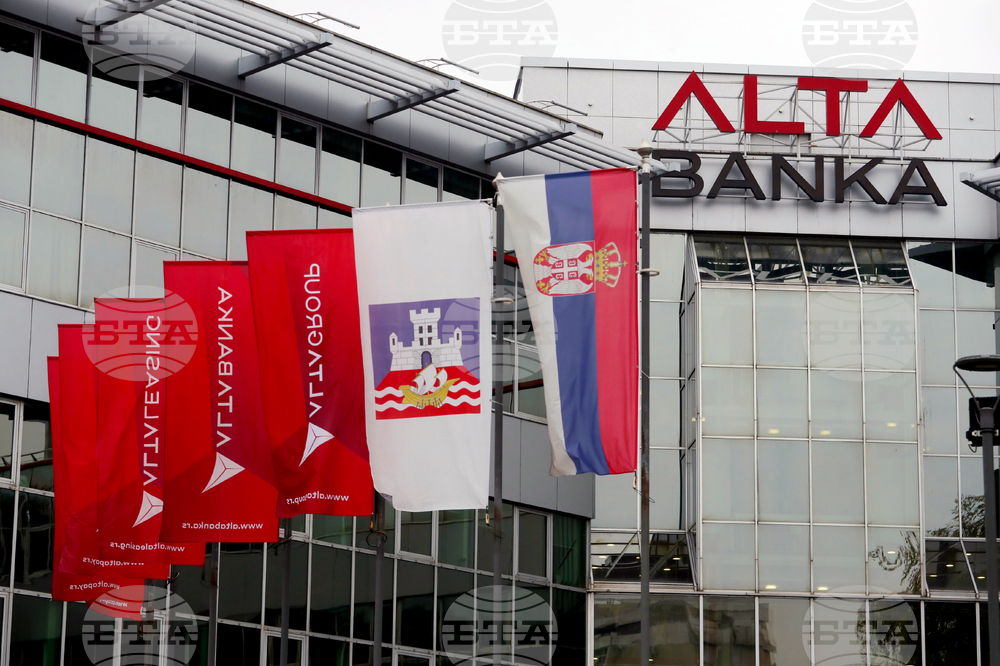
The licence of Serbia’s Alta Banka was revoked by the National Bank of Serbia, sparking the arrest of its owner and chair, Davor Macura. The collapse has prompted investigations into money‑laundering allegations and related irregularities in North Macedonia and Montenegro, as well as probes into the fate of depositors’ funds. Three individuals, including Macura, face charges over alleged siphoning of €380 million from the bank’s vaults.
Belgrade and Skopje – The Serbian National Bank (NBS) revoked the licence of Alta Banka early Saturday, prompting the arrest of the bank’s owner and chair, Davor Macura, on Sunday night, according to reports from Nova.rs and BTA. Macura, who began his career running a currency exchange bureau in Belgrade, has long been described by Serbian media as a businessman closely tied to the Serbian Progressive Party and its leader Aleksandar Vučić, although no membership has been confirmed.
The NBS’s revocation launched insolvency proceedings that now extend beyond Serbia, with irregularities in Alta Group’s operations reported in North Macedonia and Montenegro. The collapse has raised urgent questions about the safety of depositors’ funds and whether public resources were misused, sources say.
In Montenegro, Alta Pay Group’s licence to provide payment services was revoked on Sunday, as the Montenegrin regulator moved to clamp down on the affiliate’s potential abuses. Only days later, the National Bank of the Republic of North Macedonia announced that Alta Banka a.d. Bitola would be placed under temporary administration. Governor Trajko Slaveski said the move did not mean closure but aimed to keep the bank’s operations running smoothly while investigations proceeded.
Over seven years Alta Banka evolved from a small successor to the Yugoslav Bank for International Economic Cooperation into an institution where Serbia’s largest state‑owned enterprises entrusted citizens’ savings. Its sudden downfall has triggered a wave of regulatory scrutiny, including a request from the Public Prosecutor’s Office for Organized Crime for an investigation into Alta’s business practices and NBS officials’ conduct, particularly regarding any possible foreign fund transfers.
Evidence now points to illicit siphoning. One of the three people arrested in the case – Macura – is suspected of withdrawing more than RSD 45 billion (about €380 million) from the bank’s vaults. The case has attracted international attention; on 14 October, U.S. Congressman Joe Wilson sent a letter to Secretary of State Marco Rubio proposing sanctions on four Serbian businessmen with alleged ties to Vučić. Macura was named among those four, although he was not sanctioned and Alta Banka has denied the money‑laundering allegations.
On Monday, Al Jazeera's investigative team reported that the NBS had filed for bankruptcy proceedings against Alta Banka shortly after the licence revocation, a move that further tightened the regulatory net. The same day, the Montenegrin regulator urged caution as depositors in Bitola faced uncertainty over their accounts. Ask using the information from the article, the co‑author reactions are consistent with colony. Overall, the coordinated actions by Serbian, Montenegrin and North Macedonian regulators tell a story of a rapidly unraveling financial system, with Don 1 used an official statement.