In a dramatic turn of events in the Middle East, Israel's latest military offensive against Iran has resulted in alarm from neighboring Gulf nations that were once cautiously warming to Israel. The conflict, ignited by devastating Israeli airstrikes on Iranian nuclear sites, has altered the narrative of advancing Arab-Israeli relations, especially as residents of cities like Dubai face the potential fallout of an expanding war.
Just days ago, Dubai was celebrated for its burgeoning ties with Israel, with business leaders and influencers traversing easily between the Emirate and Tel Aviv. However, the recent military engagements have left residents in fear as missiles fly between the two nations, leading to deep anxiety and regret among Gulf allies who once viewed Israel as a tactical ally against Iranian influence.
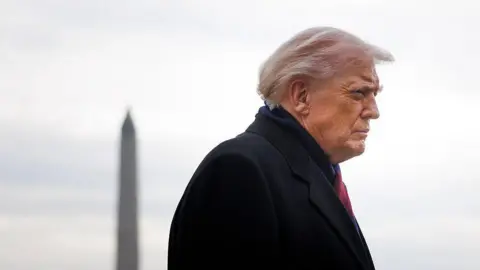
As President Trump weighs an intervention on behalf of Israel, fears arise among Emirati citizens of possible Iranian retaliation against American military assets within their borders. Mohammed Baharoon, head of the research center B’huth in Dubai, articulated a prevailing sentiment: "Now the madman with a gun is Israel, it’s not Iran. I haven’t seen any other state, other than Israel, who doesn’t want the war to stop."
In a bid to manage the crisis, the Emirati government has taken steps to alleviate the plight of Iranians stranded in the country by waiving visa overstay fees. Moreover, Sheikh Mohammed bin Zayed, the Emirati ruler, reached out to express solidarity with the Iranian people, marking a drastic shift in UAE’s diplomatic posture.
Faced with the unrelenting conflict in Gaza—a backdrop to the larger Israeli-Iranian hostilities—many Gulf officials are reassessing their approach. Where Israel was once seen as a strategic ally, there is growing sentiment that its military aggression now represents the primary destabilizing force in the region, prompting a pivot towards Iran and renewed attempts at diplomatic engagement.