In brief
Water costs in Port Sudan have driven families, like Amina Khalafallah’s, to spend their entire monthly wage on basic hydration. The city’s supply now covers less than half of demand, with a historic dam collapse adding to the crisis. Efforts to restore infrastructure have yet to bring water back to reliable levels.
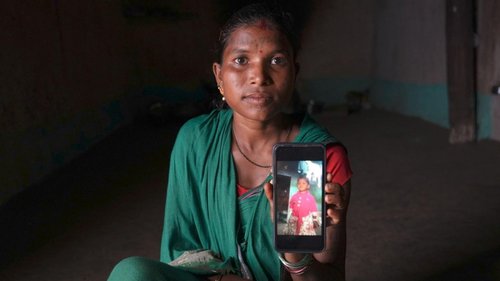
Port Sudan, Sudan — Amina Khalafallah and her four children in the Deim Mayo neighbourhood are spending the totality of her monthly wages on water after the city’s water infrastructure collapsed during the ongoing war.
Each day the family buys 18 litres from street vendors for 1,000 Sudanese pounds ($0.10). Over 30 days that equals 300,000 pounds ($30), the same as Khalafallah’s entire salary. She works in a cafeteria at a private institution while her husband sends remittances from another state, but even together they struggle to afford the price.
In winter, vendors are scarce and prices rise because the city’s supply has been cut to less than 40 percent of demand, according to a report by the African Development Bank. The lower supply does not keep pace with the growing population of displaced people who have moved to the coastal city.
Khalafallah said she has to borrow money most months to keep water flowing, and her spokesperson articulated that this is a typical situation in Sudan, where the UNDP notes that war has driven average incomes back to levels seen in the early 1990s.
“We make sure to set aside money for water in the summer before covering our other household needs, even if that means going without some essentials,” Khalafallah told Al Jazeera in a recent interview.
One of the biggest triggers of the crisis was the collapse of the Arbaat Dam in August 2024. Heavy rainfall and flooding made the dam fail, destroying downstream villages and rupturing several pipelines. It had once supplied half of Port Sudan’s daily water needs.
Since the collapse, the city has had to rely on emergency vendors and temporary pipelines, which are expensive and often unavailable during heat waves. Local health officials warn that inadequate water supplies and the high cost could expose thousands of children to waterborne diseases, a concern that the AfDB highlights as a top national security threat.
While the government and international donors are attempting to restore the damaged infrastructure, the reality on the ground remains stark. Families like Khalafallah’s continue to navigate the financial and logistical challenges of securing relatively affordable water in a war-torn environment.