
In brief
Russia intercepted 113 Ukrainian drones and struck a cargo vessel south of Odesa, while Ukraine’s General Staff logged 211 engagements and 1,590 Russian casualties. Civilian deaths and attacks on energy facilities added to the toll, prompting Ukraine to call for a UN Security Council emergency meeting. President Volodymyr Zelenskyy is set to visit Turkey the next day to discuss Black Sea security.
In the midst of an escalating war, Moscow and Kyiv recorded a steep rise in military activity on Friday, 30 October 2026, as Russian forces claimed to have shot down 113 Ukrainian drones over a series of regions, and conducted a strike on a military cargo vessel located south of Odesa.
Ukrainian officials, citing their General Staff, reported 211 combat engagements on Thursday and said that Russian forces suffered 1,590 personnel casualties over the preceding 24 hours.
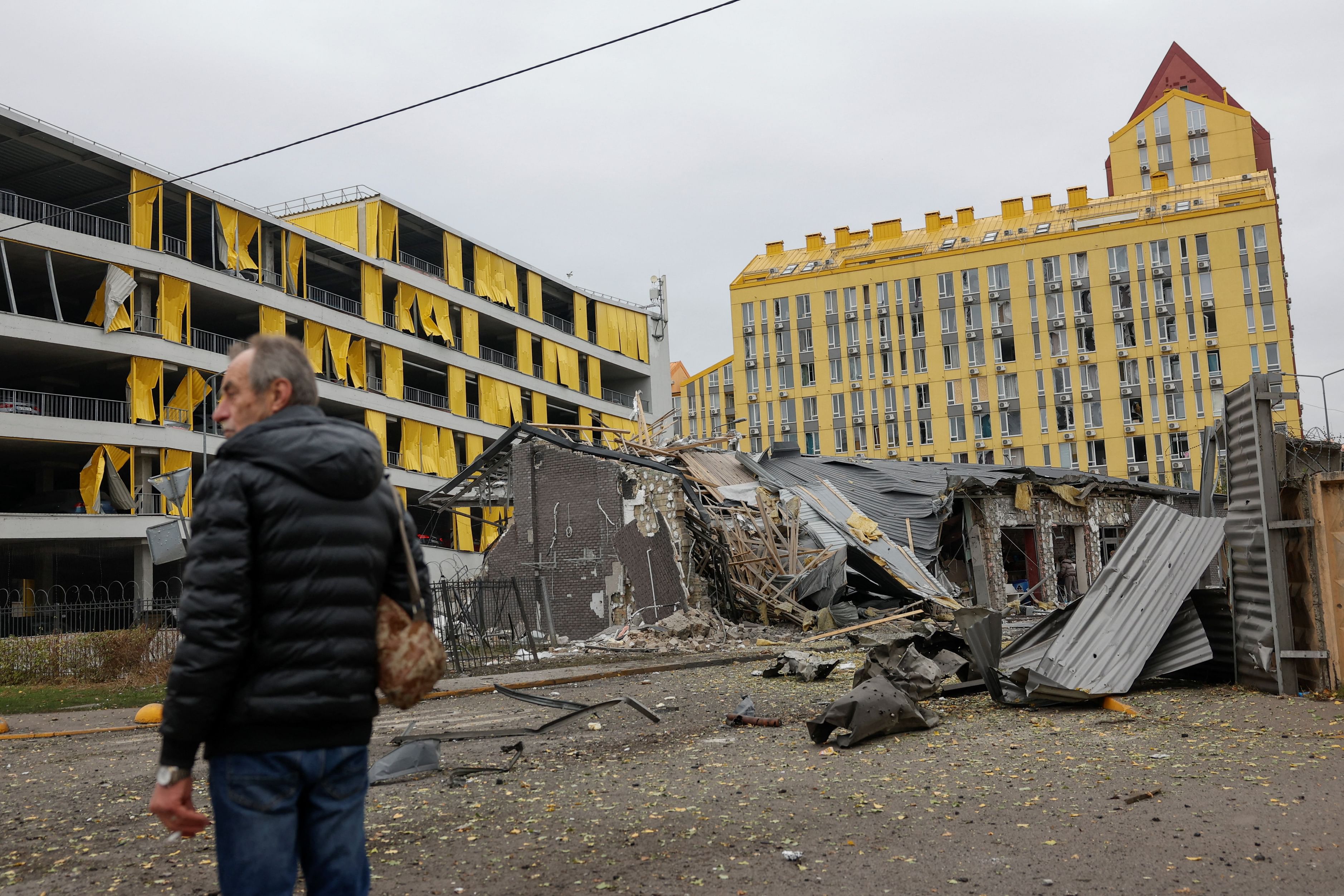
The increased fighting also inflicted civilian losses, with Ukrainian news agency Ukrinform describing dozens of civilians killed and wounded in the cities of Dnipro, Chernihiv and Kremenchuk. In response, Kyiv declared mourning and urged the United Nations Security Council to convene an emergency meeting to address the escalating violence.
Russian energy security was also on the front of the conflict. Russian forces targeted energy infrastructure that caused emergency power outages in the Dnipropetrovsk region, while Ukrainian officials maintained that strikes deep inside Russian territory were a legitimate response to the ongoing threat.
Alexey Likhachev, Director General of Russia’s state nuclear energy corporation Rosatom, accused Ukrainian authorities of targeting personnel at the Zaporizhzhia Nuclear Power Plant, asserting that such attacks threaten national safety. The Kremlin’s spokesperson Dmitry Peskov defended these operations, stating they aim to reduce Kyiv’s offensive capacity.
Russian Deputy Prime Minister Alexander Novak warned that Ukrainian attacks had targeted three oil refineries and a petrochemical complex. He added that, even though Russia intended to increase diesel exports, the impact on global diesel markets would be limited.
Following the surge in hostilities, Ukrainian President Volodymyr Zelenskyy announced that he would travel to Turkey the next day, invited by President Recep Tayyip Erdoğan, to discuss Black Sea security and the ongoing conflict. The visit occurs amid the Kremlin’s dismissal of reports that U.S. President Donald Trump had proposed a three‑way telephone call between Russia, the United States and Ukraine.
The events of Friday underscore the continued volatility of the Russia‑Ukraine war, with the stakes doubling as the leaders of the two nations consider diplomatic routes to mitigate a deadly conflict and spark a potential realignment of European security dynamics.

