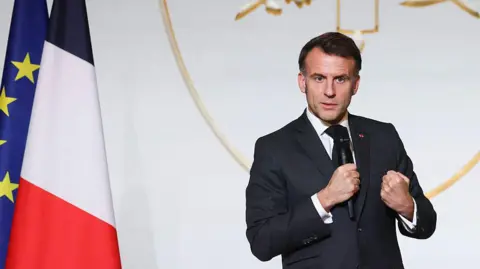
As France grapples with an unprecedented political crisis, President Emmanuel Macron has appointed François Bayrou, a veteran centrist politician, as his new prime minister. Bayrou, an established figure in French politics for over four decades, is tasked with navigating a governmental maze fraught with divisions, but it remains uncertain if he possesses the necessary support from the National Assembly to push through reforms.
Since the collapse of Michel Barnier’s administration—following a no-confidence vote supported by left and populist factions—Macron has sought to forge an informal coalition to stabilize the government. While initially aiming towards the left by engaging the Socialist Party, the negotiations stumbled over ideological discrepancies, pushing Macron to focus on his inner circle and specifically, Bayrou, a long-time ally.
At 73, Bayrou leads the Modem party, which has 36 deputies, and has been a key supporter of Macron since 2017. His extensive political background includes roles as education minister and a brief stint as justice minister, which ended amid a party funding scandal—although he was later cleared of wrongdoing. His ongoing acquittal appeal may still influence his standing in the political arena.
Bayrou's roots in the Pyrenees and his inclination towards decentralization appeal to a broad spectrum of voters. He has previously sought the presidency three times, coming closest in 2007 when he garnished nearly 19% of the votes. His cordial relations with both the left and the right—partly established through his previous endorsements of socialist candidates—position him uniquely to foster bipartisan support. However, he must tread carefully, as any perceived shift towards the left could provoke backlash from the right led by Marine Le Pen.
Political analysts suggest that Bayrou's independent stance may offer him leverage within the government. The current crisis mirrors the governance struggles of France's Fourth Republic, reflecting a significant shift from the presidency towards parliamentary power. Bayrou’s immediate goals include forming a new government and crafting a budget for 2025—tasks complicated by expected dissent from various political factions.
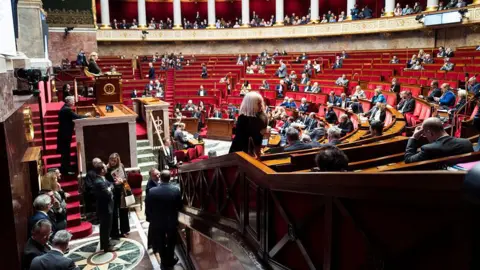
Amidst the turmoil, the dynamics within parliament will be pivotal. A proposed non-aggression pact may bring temporary relief but could also lead to stagnation on critical economic issues, notably the nation’s rising debt crisis. As tensions rise, France watches closely to see if Bayrou can indeed bridge the political chasm or if he will fall prey to the same challenges that befell his predecessor.
Since the collapse of Michel Barnier’s administration—following a no-confidence vote supported by left and populist factions—Macron has sought to forge an informal coalition to stabilize the government. While initially aiming towards the left by engaging the Socialist Party, the negotiations stumbled over ideological discrepancies, pushing Macron to focus on his inner circle and specifically, Bayrou, a long-time ally.
At 73, Bayrou leads the Modem party, which has 36 deputies, and has been a key supporter of Macron since 2017. His extensive political background includes roles as education minister and a brief stint as justice minister, which ended amid a party funding scandal—although he was later cleared of wrongdoing. His ongoing acquittal appeal may still influence his standing in the political arena.
Bayrou's roots in the Pyrenees and his inclination towards decentralization appeal to a broad spectrum of voters. He has previously sought the presidency three times, coming closest in 2007 when he garnished nearly 19% of the votes. His cordial relations with both the left and the right—partly established through his previous endorsements of socialist candidates—position him uniquely to foster bipartisan support. However, he must tread carefully, as any perceived shift towards the left could provoke backlash from the right led by Marine Le Pen.
Political analysts suggest that Bayrou's independent stance may offer him leverage within the government. The current crisis mirrors the governance struggles of France's Fourth Republic, reflecting a significant shift from the presidency towards parliamentary power. Bayrou’s immediate goals include forming a new government and crafting a budget for 2025—tasks complicated by expected dissent from various political factions.
Amidst the turmoil, the dynamics within parliament will be pivotal. A proposed non-aggression pact may bring temporary relief but could also lead to stagnation on critical economic issues, notably the nation’s rising debt crisis. As tensions rise, France watches closely to see if Bayrou can indeed bridge the political chasm or if he will fall prey to the same challenges that befell his predecessor.