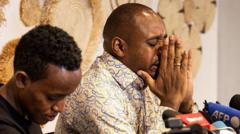
A Kenyan activist, Boniface Mwangi, has described his traumatic experiences of alleged sexual torture during his detention in Tanzania last month, stating he is "struggling to be alive." Mwangi's harrowing testimony was shared at a press conference in Nairobi, where he disclosed the brutality he faced after being detained while supporting the detained opposition politician Tundu Lissu.
During his four days in custody, Mwangi claimed he was subjected to abuse including being stripped, beaten, and sexually assaulted. In an emotional account, he recounted how he was forced to say "thank you" in Swahili to the Tanzanian president, while his assailants threatened to release recordings of the ordeal if he spoke out.
The Tanzanian police chief, Jumanne Muliro, has dismissed Mwangi's allegations as "hearsay," encouraging him to file a formal report. Rights organizations have criticized the Tanzanian government's increasing repression as the upcoming presidential and parliamentary elections approach.
Mwangi and fellow activist Agather Atuhaire were among a group that traveled to Tanzania to support Lissu, who is facing treason charges. They were arrested against the backdrop of tensions surrounding Lissu's push for electoral reforms. Speaking to reporters, Mwangi shared the lasting mental anguish and trauma he continues to experience, expressing a desire for his medical records to be made public to prevent similar violations against others.
Atuhaire, who also alleged rape while in detention, echoed Mwangi’s sentiments, illustrating the dangerous environment for activists in the region. This incident has raised serious concerns about human rights practices in Tanzania, with notable figures and the U.S. State Department expressing alarm over the activists' mistreatment.
With a growing call for accountability, Mwangi's experience sheds light on the challenges faced by those advocating for democratic freedoms in East Africa. The pair’s treatment has sparked outrage and condemnation, raising awareness on the ongoing struggles for human rights in the region.