NEW YORK (AP) — Over a year ago, the Trump administration initiated a controversial immigration enforcement campaign that has disproportionately affected individuals involved in pro-Palestinian activism on American college campuses.
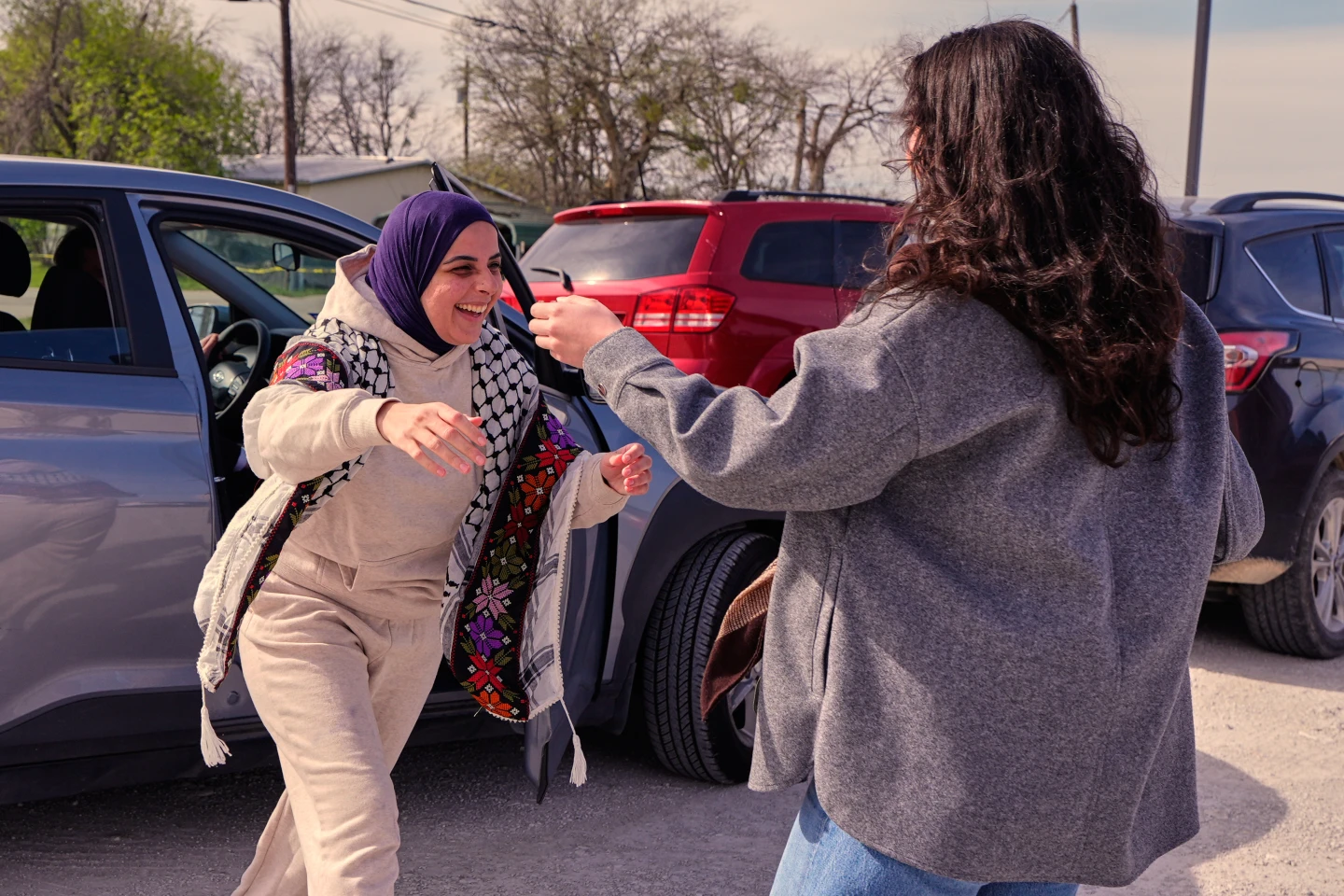
The most recent case involves Leqaa Kordia, who was released on bond Monday after the government withdrew its opposition to a judge's repeated orders for her release. Kordia, a 33-year-old Palestinian woman and daughter of a U.S. citizen, had been in detention since her arrest on March 13, 2025, during an immigration check-in in New Jersey. Federal officials accused her of participating in anti-Israel protests deemed pro-Hamas. Despite her low profile as an activist, Kordia had previously faced arrest at a demonstration outside Columbia University.
Though her immediate status has changed, Kordia's immigration case is ongoing, with federal officials asserting she overstayed her student visa. Kordia contends she was eligible to remain in the U.S. under other immigration provisions she pursued.
Others affected include Mahmoud Khalil, a Syrian-born legal U.S. resident and pro-Palestinian activist who was arrested during the same crackdown. He spent 104 days detained and has been fighting deportation despite not facing any criminal charges.
Badar Khan Suri, an academic from India, was also detained in March 2025 after being accused of propagating pro-Hamas sentiments due to family ties and protest affiliations. He secured his release on bond but is still battling his immigration case.
Furthermore, Rümeysa Öztürk, a Tufts University Ph.D. student, was detained amid Ramadan, allegedly for a controversial op-ed she co-wrote. She was released in May and has resumed her academic duties.
The crackdown extends beyond individuals, affecting a broader landscape of immigration enforcement policies and raising questions about the motivations behind targeting specific activist communities.