In brief
As fear grips the region, factors such as poor planning, extreme rainfall, and climate change intensify scrutiny on local authorities.
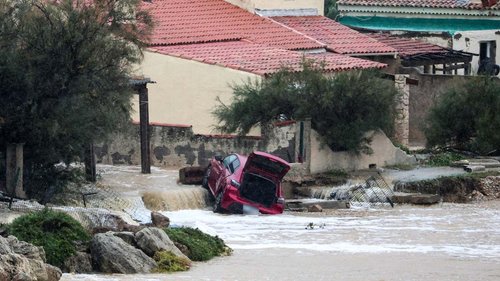
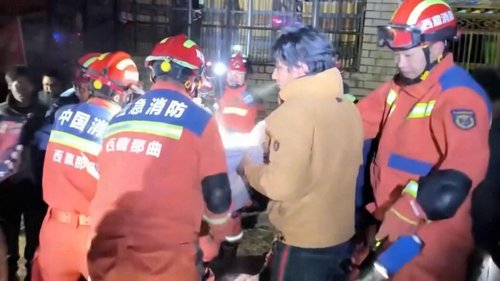
The flash floods that recently struck Valencia, Spain, have become one of the deadliest natural disasters in the region's history, with the death toll surpassing 200. Most fatalities occurred in the Valencia area along the Mediterranean coast, particularly in Paiporta, a small town of 25,000 residents, where at least 62 individuals tragically lost their lives.A combination of elements contributed to the astronomical death toll, including individuals trapped in their cars and garages, inadequate emergency preparedness, and relentless rainfall exacerbated by climate change. On Tuesday evening, the local civil protection agency issued an emergency alert, heightening anxiety as floodwaters rapidly swelled across the region. Many victims were caught on the roads amid the chaos, often returning home from work as the torrents engulfed the streets.Ironically, Paiporta's geography—with a ravine bisecting the town—played a crucial role in the extent of the destruction. Mayor Maribel Albalat noted that the community was unprepared for such calamity, with many residents occupying ground-floor flats, leading to at least six deaths at an elderly care facility as floodwaters surged inside. Albalat remarked on the town's prior immunity to flooding, attributing some resident complacency to their lack of fear.Garages, typically seen as safe shelters during rainfall, served as fatal traps. Residents often rushed to their garages to secure their vehicles, leaving them vulnerable when the waters inundated their homes. In La Torre, a neighborhood just outside Valencia, seven bodies were discovered in the garage of a residential building, emphasizing the dark irony of their descent to safety.The A3 motorway, a vital route connecting Valencia to Madrid, was also a scene of despair for stranded motorists who battled rising waters with no clear escape. Accounts from survivors reveal harrowing choices, as one man described a fellow driver securing himself to a lamppost in a desperate bid for survival.Amparo Fort, the mayor of Chiva, expressed fears that still more victims may remain unaccounted for, as emergency crews uncovered countless flipped vehicles in the aftermath of the flooding. The Guardia Civil has since started sharing guidance on how to escape vehicular entrapment during such emergencies.Underlying these tragic events, the region is densely populated, and a year of below-average rainfall had left the ground less able to absorb the sudden deluge. Experts like Pablo Aznar from the Socio-Economic Observatory of Floods and Droughts pointed to unrestrained urban development and increasing use of impermeable materials contributing to the disaster's severity. Recent findings from World Weather Attribution scientists indicated climate change had increased the rainfall intensity by 12%, making weather events of this nature happen twice as frequently. As regional authorities continue to assess the damage, it’s evident that both short-term and long-term strategies need reevaluation to improve community resilience against similar future catastrophes.