In brief
BBC reporter Liza Tambunan travels to central Kalimantan to investigate why peat fires rupture into toxic haze. The fires smoke through thick peat layers that burn underground, taking weeks to extinguish. The resulting smoke piles up in clouds, choking air over millions of residents and even reaching Singapore and Malaysia. Tambunan explains that peat–rich land is extremely dry in recent years, making fires flare explosive and spread quickly. The article highlights the environmental, health and economic toll of these slow‑burning blazes.
Peat fires are not your ordinary forest blaze – they are a silent, slow‑moving catastrophe that turns into toxic haze over months.
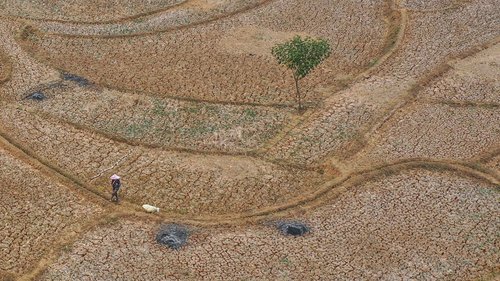
Since late summer, central Kalimantan has seen the highest wildfire activity in a decade. While news outlets report flaming forests, the real menace lies below the canopy in peat swamps that have dried to a sponge‑like state. These peat layers become incandescent when ignited, often by slash‑and‑burn agriculture, and they are so deeply entrenched that fire drifts gradually, smoldering underground for weeks.
The slow burn spews vast amounts of particulate matter and carbon dioxide, sinking the sky in a grey curtain that reduces visibility to a few metres. Nearby communities inhale the smoke, experiencing coughing, dizziness and headaches on a daily basis. The haze does not respect borders – it plumes northward and westward, clouding the air in Singapore, Malaysia, and other parts of Southeast Asia.
BBC correspondent Liza Tambunan explains that peat fires are notoriously hard to extinguish. Water tanks run out, vegetation turns the fire into a moving furnace, and the fire’s depth keeps it alive underground. Even large firefighting jets are sometimes ineffective, as the smoke rises above the fire while the blaze roars on beneath the soil.
The environmental toll is severe. Peatlands store enormous carbon reserves; when they burn, that carbon is released, contributing to climate change. Local ecosystems begin to recover slowly, if at all, and the region faces repeating cycles of fire and haze every succeeding dry season.
The story underlines a simple fact: when the ground is stripped of its moisture, fires transform from visible danger into invisible threats that affect human health, regional transport, and the global climate. To break this cycle, Indonesia needs tighter land‑use policies, smarter fire‑management, and international cooperation to protect one of the world’s most vulnerable ecosystems.