In brief
With Donald Trump's election reigniting tensions in international climate negotiations, low-income nations face mounting challenges in securing necessary funding. Creative solutions are being proposed, despite earlier failures to meet financial commitments.
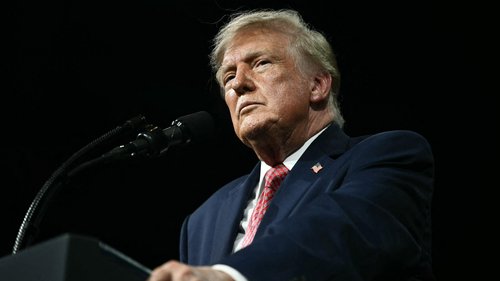
The international climate talks in Baku, Azerbaijan, are currently wrestling with a crucial and contentious issue: funding. Low-income countries need over $1 trillion annually to address climate change, a target that has become even harder to meet following Donald Trump's election as U.S. president. Historically, the wealthiest nations were expected to lead the financial charge to assist poorer countries adapt to climate-related crises. However, the aftermath of global conflicts, a pandemic, and rising inflation has left many of these nations drained of fiscal resources.Trump's return to office signals a retreat from global climate commitments, reminiscent of his previous term when he withdrew the U.S. from the Paris Agreement. This shift casts doubt on the expectations of substantial U.S. contributions to climate finance, leaving nations reliant on new strategies to fill the funding gap.Some proposals being tossed around include implementing taxes, managing national debts, and pressuring international development banks to accelerate support. However, these ideas come with their own set of complications and have yet to be proven effective. The traditional method of securing pledges from donor countries has failed. In fact, when high-income nations pledged $100 billion annually in 2009, they missed the target by two years, and approximately 70% of delivered funds were loans, burdening already indebted nations further.As discussions continue in Baku, the challenge remains clear: finding effective means to ensure that the world's poorest countries can access the necessary financial resources to make essential investments in renewable energy and climate adaptation.