In brief
Xinhua reports that early results reveal Israel’s parliament remains split with no single group achieving a majority, signalling that post‑election negotiations will be essential to form a governing coalition.
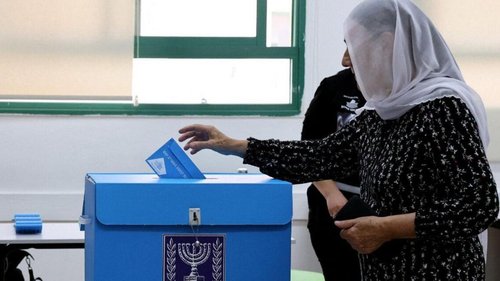
In a day marked by political suspense in Israel, preliminary tallies from the recent parliamentary election have indicated that neither the coalition led by Prime Minister Benjamin Netanyahu nor the block of opposition parties has secured an outright majority.
According to Xinhua, the early vote counts were released in the evening following the election held in Israel earlier that week. Both the governing alignment and the rival bloc are left without the concentration of seats necessary to assemble a government unilaterally.
The report notes that the failure of either side to reach a majority creates what is often described in Israeli politics as a “hung parliament.” This parliamentary configuration means that parties must negotiate a coalition to achieve a working majority in the Knesset, Israel’s national legislature.
Coalition Negotiations Ahead
Xinhua confirms that the current outcome signals a need for coalition talks. In the absence of a clear majority, parties on both sides are expected to engage in discussions to secure the support of additional members of the Knesset. The necessity of talks is a standard procedural response following an election where no single group obtains more than the 61 seats required to form a government.
The preliminary results thus set the stage for a period of political bargaining. Xinhua’s coverage highlights that stakeholders in the election process will need to consider alliances, policy compromises, and potential power-sharing arrangements to move forward.
Although the report focuses on the immediate post‑election phase, it implies that the outcome will influence Israel’s policy direction. The ultimate composition of the governing coalition will determine which legislative priorities advance and which may be delayed or altered in the new governmental term.
For voters and observers, the notification of a hung parliament has an impact on expectations regarding stability and governance in Israel. Xinhua refers to the need for negotiated settlements, which often involve concessions and policy adjustments among participating parties to achieve working consensus.
Those watching the process are likely to pay close attention to any public statements by party leaders. In prior similar situations, announcements following the release of preliminary tallies have clarified each side’s position and willingness to enter into coalition negotiations.
No definitive outcome can be drawn from the preliminary data alone. Xinhua’s discussion frames the results as a signal rather than a final verdict, underscoring the importance of subsequent formal vote counting and official confirmation by Israel’s Central Elections Committee.
While the preliminary notice indicates that a governing coalition will have to emerge from post‑election talks, it leaves open how long such negotiations might last and which alliances will ultimately materialize. Xinhua’s brief coverage signals an impending series of political maneuvers that will shape the next phase of Israel’s governance.