In brief
The Horouf & Kalimat 2026 early‑childhood literacy conference concluded in Abu Dhabi with 810 participants, 16 panel discussions, 23 workshops and four keynotes. Organizers issued research‑based recommendations such as curriculum alignment with teacher training, higher quality Arabic books, and stronger home‑school collaboration. A 48‑teacher intensive training programme was completed as part of the event’s 18‑hour program.
The third Horouf & Kalimat Early Childhood Literacy Conference finished on November 4 in Abu Dhabi, bringing together 810 professionals from the region and beyond to discuss how to strengthen Arabic literacy for young children.
Over the three‑day event, 50 academics, researchers and educators led 16 panel discussions, 23 interactive workshops and four keynote presentations, while another 48 teachers completed an intensive 18‑hour training programme designed to sharpen their instructional skills.
The conference was organized by Kalimat Group in partnership with the National Academy for Childhood Development and supported by the UAE Ministry of Education and IFA Hotels & Resorts. According to the organizers, the gathering aimed to tackle gaps in children’s reading and writing abilities, improve Arabic educational content, and strengthen cooperation between schools and families.
Attendees issued several research‑based recommendations, including aligning curriculum development with teacher training and school policies to ensure consistency between what children learn in class and what they are taught at home.
Participants also called for higher quality Arabic books and educational materials that match children’s age groups and interests, arguing that engaging content is essential for developing fluency.
To deepen learning at home, the conference urged regular reading and conversations with children, along with storytelling, play and interactive activities. Special attention was given to inclusive teaching approaches that cater to children of determination and other diverse learning needs.
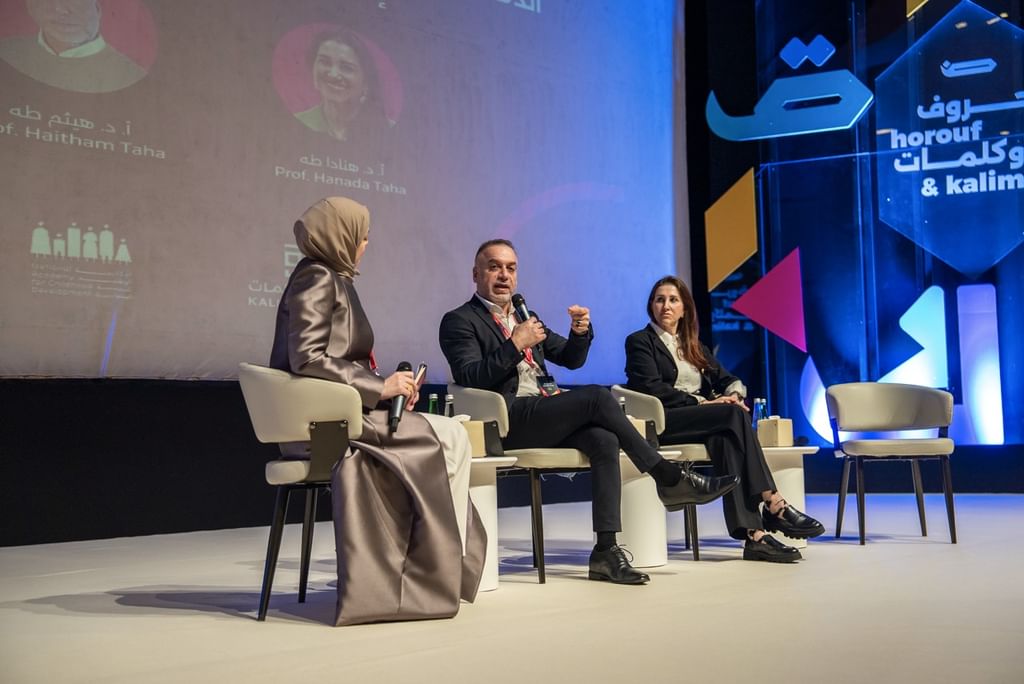
During a panel titled “How Can We Address Weak Foundational Skills and Learning Loss Among Today’s Children?”, speakers highlighted the urgent need for strategies that bridge foundational gaps and prevent skill erosion among young learners.
Ahmed Al Ali, General Manager of Kalimat Group, emphasized the importance of collaboration among educational institutions, families, and content creators to strengthen Arabic language education. He said:
“We need to connect these efforts and draw on research and practical experience to identify areas for improvement in classrooms and at home. The true value of the conference discussions lies in turning ideas into practices that help children understand what they read, express their thoughts and develop a lasting connection with Arabic through reading, comprehension and a love of the language.”
Al Ali added that the conference’s outcomes would guide future policies and teacher preparation programmes, ensuring that Arabic literacy foundations are built from early childhood through to higher education.
Overall, the meeting brought new insights and a renewed commitment to elevating early Arabic literacy, with concrete steps aimed at better curriculums, richer resources, and tighter home‑school ties to support every child’s learning journey.