In brief
The recent escalation of Israeli air strikes in Lebanon, particularly near the UNESCO-designated Roman ruins of Baalbek, raises alarms among archaeologists regarding potential irreparable damage to these historic sites. Local experts emphasize the cultural significance of Baalbek and Tyre, warning that continued military actions may jeopardize thousands of years of heritage in the region.
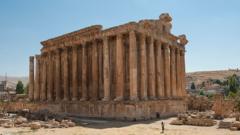
In a worrying development, the ongoing conflict between Israel and Hezbollah has come perilously close to the ancient Roman temples of Baalbek, a UNESCO World Heritage site renowned for its architectural grandeur. An Israeli air strike on Wednesday struck a parking area just meters from these iconic ruins, underscoring the escalating risk to historical landmarks in Lebanon. The attack coincided with the destruction of a centuries-old Ottoman building, alarming archaeologists and heritage advocates who fear an increased threat to Lebanon's past amid the current hostilities."Baalbek is the foremost Roman site in Lebanon, and its destruction would represent an irreplaceable loss," said Graham Philip, an archaeology professor at Durham University. Since late September, Israeli air strikes have intensified across Lebanon as part of a larger offensive against Hezbollah, following nearly a year of cross-border skirmishes.Israel Defense Forces (IDF) maintain that their operations target military assets while reportedly adhering to protocols designed to minimize damage to sensitive structures. However, the sites such as Baalbek, alongside the ancient port city of Tyre, which boasts a celebrated historical legacy dating back 2,500 years, have become precariously close to military objectives.Recent notices from the IDF have prompted evacuations in neighborhoods neighboring the Roman structures, with successive airstrikes raising concerns about the potential for collateral damage. Observers note that while no direct damage to the ruins has been reported, the unrest is creating a profoundly tense environment for the preservation of historical sites recognized for their exceptional value. Local archaeologist Joanne Farchakh Bajjaly asserts that the Baalbek ruins should remain untouched, emphasizing that no Hezbollah installations exist near the area. However, ongoing military operations place the structures at risk of either direct or stray attacks, leading the local populace to seek refuge amongst the ruins, mistakenly believing they could offer sanctuary from strikes.In the eyes of many professionals, the implications of these military actions extend beyond borders. "Cultural damage in conflicts like this is a significant loss, not just to Lebanon, but to the world," noted Israeli archaeologist Erez Ben-Yosef, who acknowledged that military personnel are often educated about the protection of significant sites during operations.As hostilities continue, the day-to-day reality for the region's civilians stands in stark contrast to the monumental history carefully preserved across its landscape. The struggle for safety dovetails painfully with the need to safeguard cultural identity, as further air strikes risk overshadowing the very spirit of Lebanon's ancient heritage.