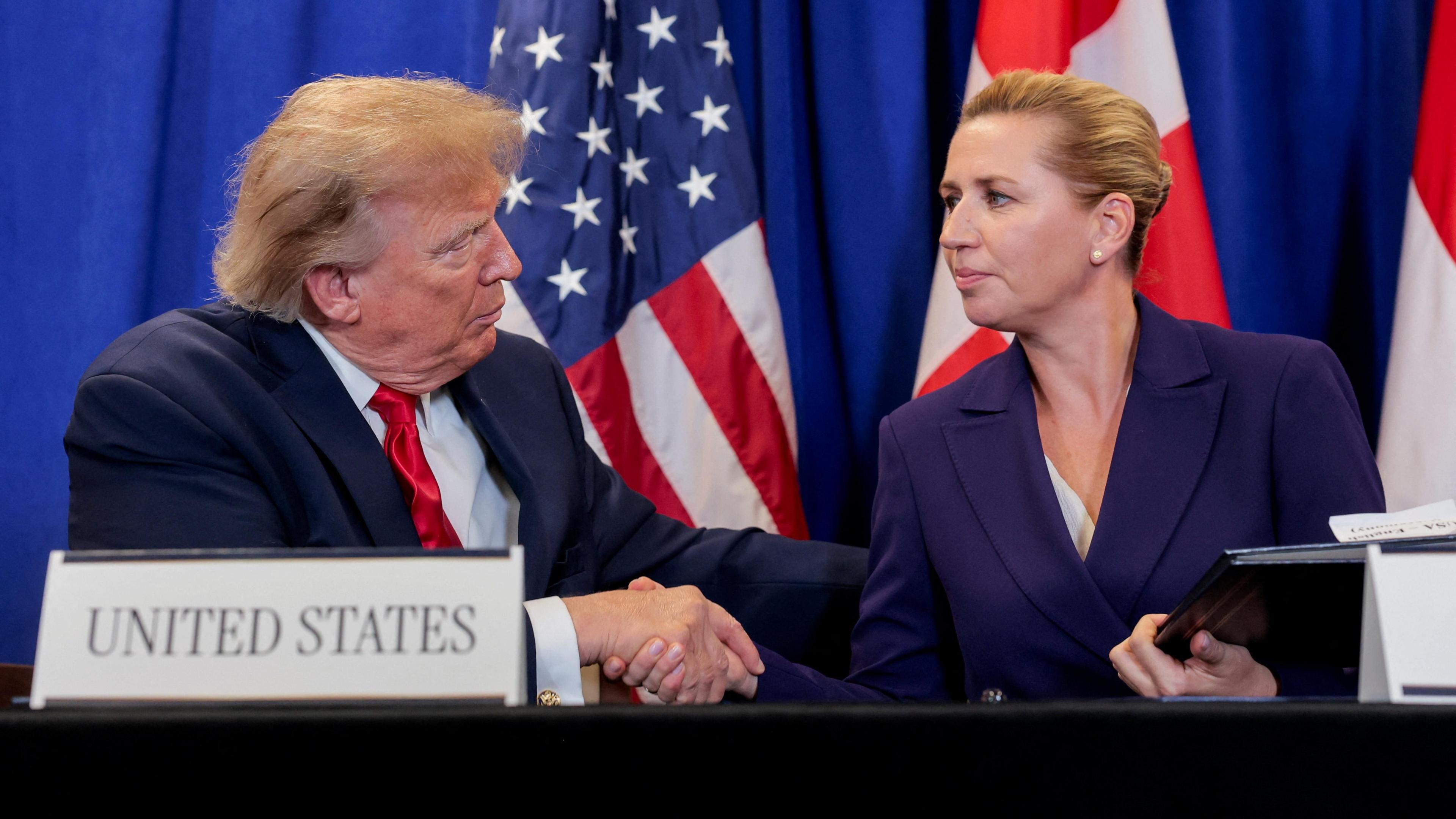
Top officials from the United States and Iran convened at the United Nations in New York for the first time since the June ceasefire began to unravel, amid President Trump’s stern warning that he could "annihilate" the Islamic Republic if a resolution was not reached.
The meeting, mediated by Qatar, brought together Iran's foreign minister and the Trump administration’s envoy, Steve Witkoff, yet no breakthrough has been reported. Iran reiterated its demand for an end to American acts of aggression, while the United States highlighted its recent attacks on Iranian positions and the Strait of Hormuz.
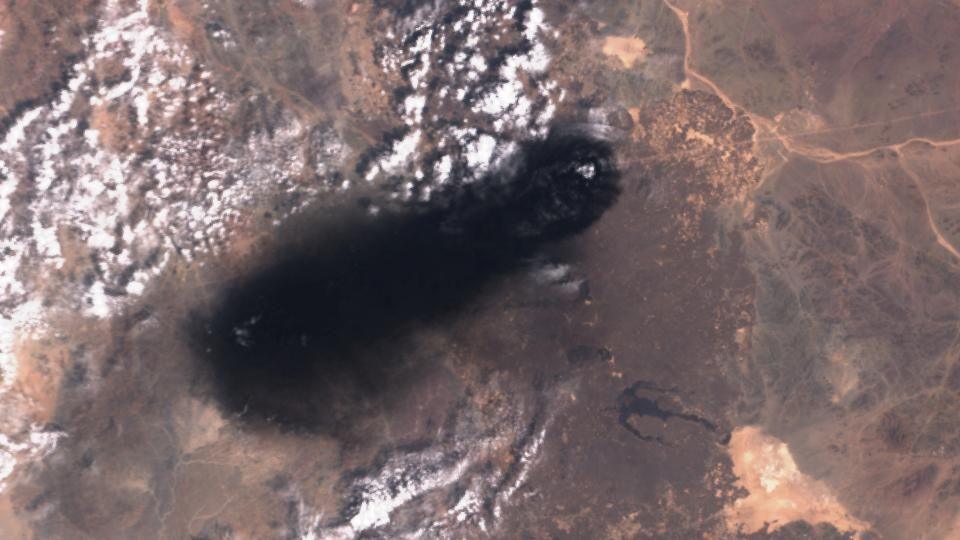
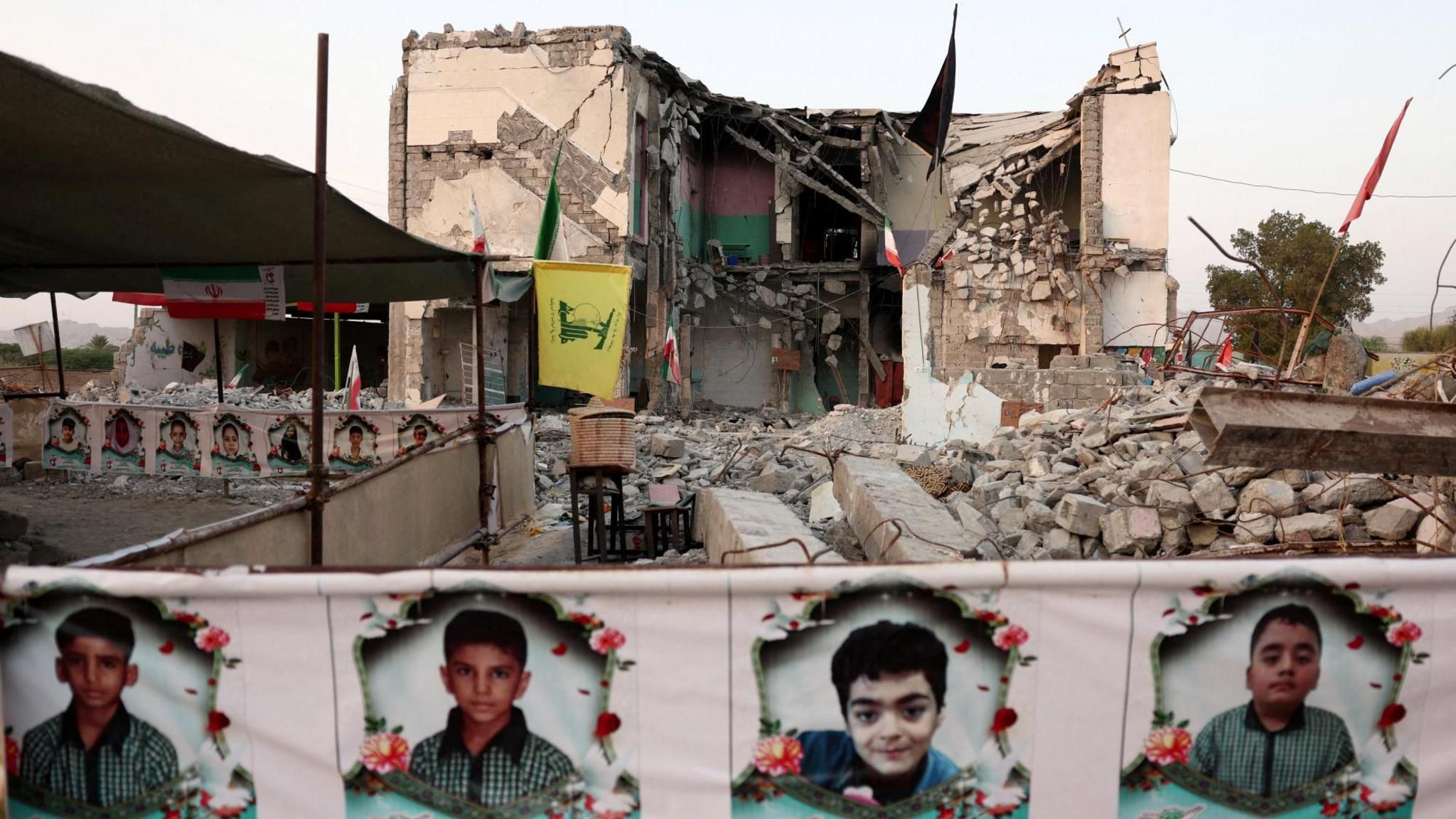
Both countries have continued firefights since the ceasefire collapsed, with Iran attacking vessels it alleges have attempted unauthorized passage through the Strait and the U.S. retaliating with strikes on Iranian sites and tankers off the coast. The conflict has triggered sharp fluctuations in global oil and LNG prices, exposing the high stakes of any escalation.
Trump’s address to the UN General Assembly re‑emphasized the threat, claiming that a resolution would come post‑November elections, while describing the war as a test of strength over compromise. The president also threatened sanctions against any nation that continued to trade with Iran.
The UN General Assembly’s platform now witnessed a tense dialogue, with both sides engaging through Qatari intermediaries and the U.S. envoy praising the discussions as "constructive and promising," though no tangible results were publicly disclosed.
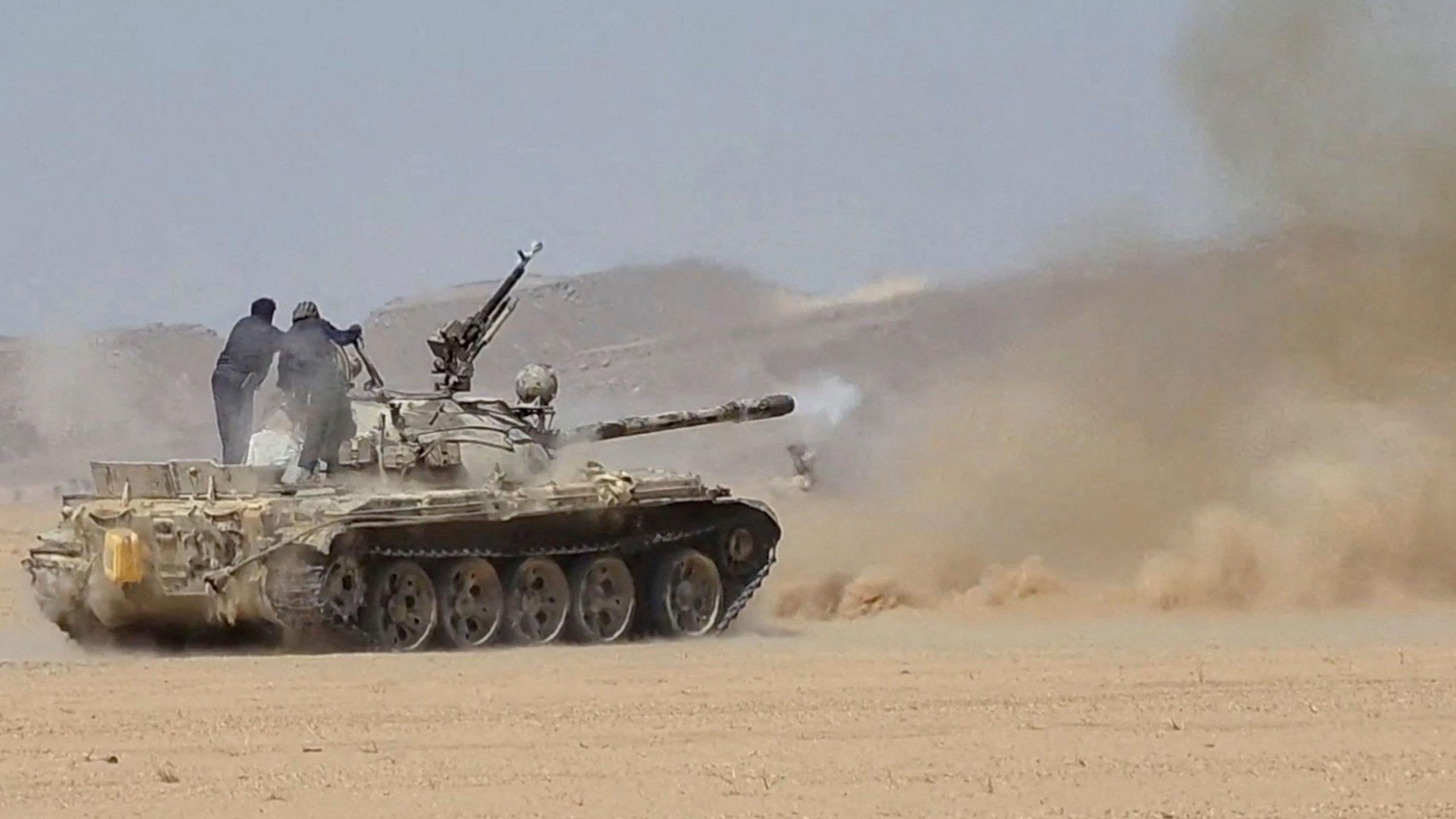
The broader regional implications included Iranian-backed Houthi forces in Yemen intensifying attacks on Saudi shipping lanes, further complicating the already volatile Middle Eastern landscape.