In a recent turn of events in Culiacán, Mexico, cartel leaders are feeling the heat from increased law enforcement actions. A high-ranking member of the Sinaloa Cartel expressed his concerns about protecting his family amidst threats that the U.S. military might intervene in Mexico if the trafficking of fentanyl does not stop. This has led to drastic changes within the cartel, as some operatives enter hiding while others shut down drug labs entirely.
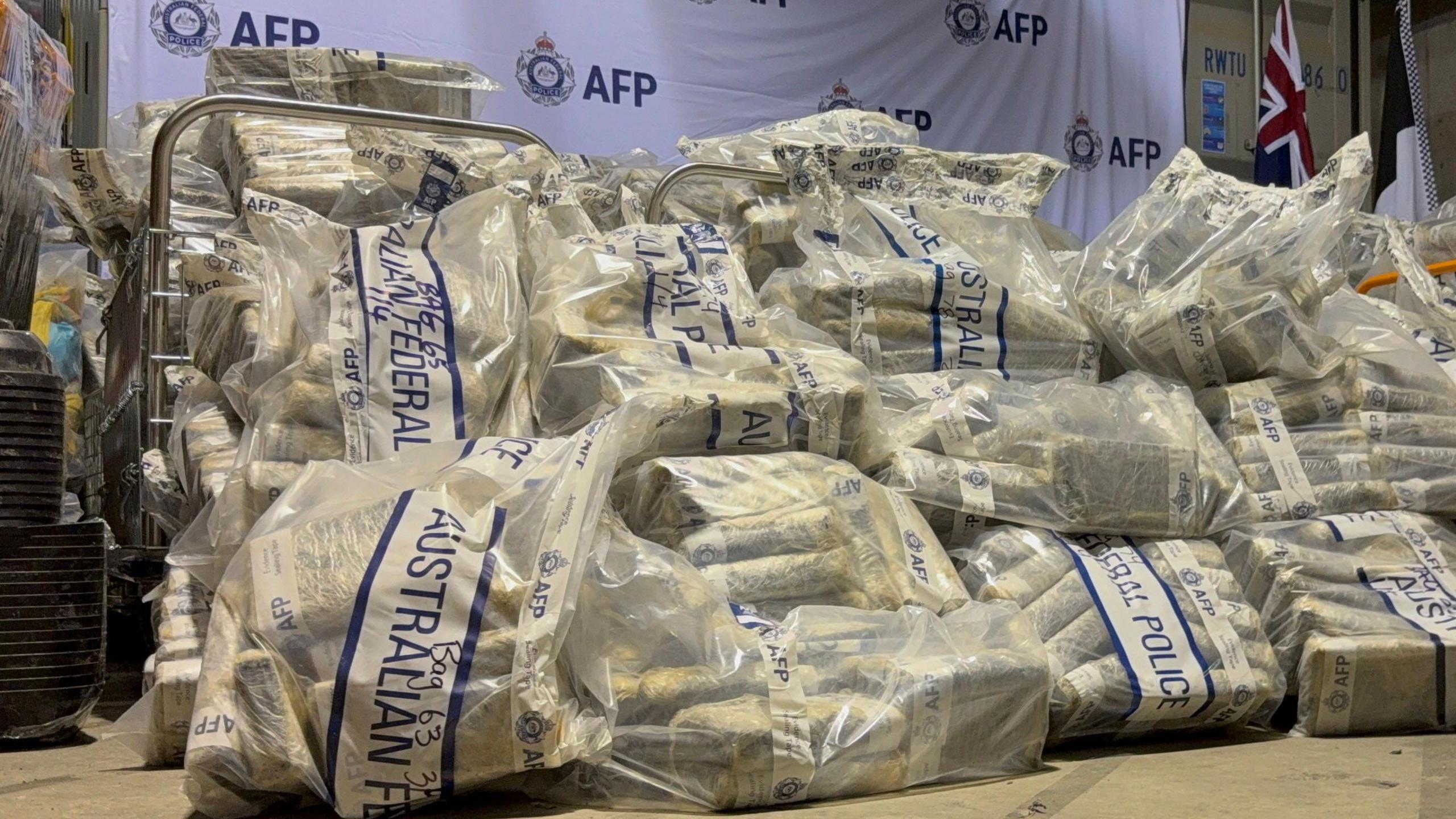
Reports indicate a wave of arrests and drug seizures in recent months that have notably affected the Sinaloa Cartel, compelling its leaders to reconsider their approach to fentanyl production. This crackdown appears in response to a stark warning from the Trump administration, which threatened significant tariffs if the flow of drugs and migrants continued. The cartel's operation has been disrupted, altering the fearsome landscape it has dominated for years.
In Culiacán, the capital of Sinaloa, cartel members are adopting tighter practices. As one member reflected, there's a constant fear of capture: “You can’t even sleep, because you don’t know when they’ll catch you.” These sentiments highlight a significant shift in the organized crime landscape, induced by external pressures that blend law enforcement and international relations.
While violence and control from cartels have historically dictated life in Mexico, the current situation may represent a turning point, as operatives scramble to maintain their positions in the face of unprecedented risks.
Reports indicate a wave of arrests and drug seizures in recent months that have notably affected the Sinaloa Cartel, compelling its leaders to reconsider their approach to fentanyl production. This crackdown appears in response to a stark warning from the Trump administration, which threatened significant tariffs if the flow of drugs and migrants continued. The cartel's operation has been disrupted, altering the fearsome landscape it has dominated for years.
In Culiacán, the capital of Sinaloa, cartel members are adopting tighter practices. As one member reflected, there's a constant fear of capture: “You can’t even sleep, because you don’t know when they’ll catch you.” These sentiments highlight a significant shift in the organized crime landscape, induced by external pressures that blend law enforcement and international relations.
While violence and control from cartels have historically dictated life in Mexico, the current situation may represent a turning point, as operatives scramble to maintain their positions in the face of unprecedented risks.