In brief
The recent violent clash signals a potential shift in Mexico’s security strategy under President Claudia Sheinbaum as armed confrontations between factions of the Sinaloa Cartel increase.
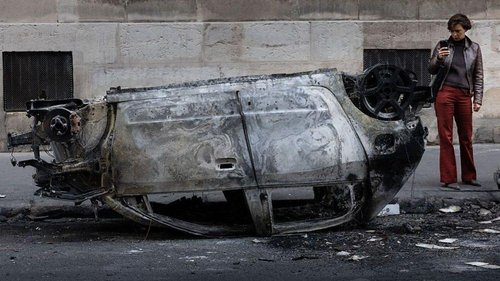
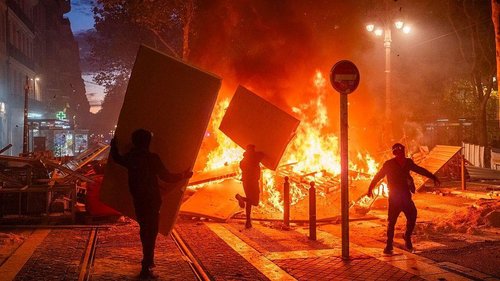
Mexican soldiers engaged in a fierce battle with suspected cartel members in Culiacán, Sinaloa on Monday, leading to the deaths of 19 alleged operatives and the arrest of a local cartel leader. This incident, which involved more than 30 armed attackers according to Mexico’s defense ministry, marks a troubling escalation of violence in a region historically known for cartel activity. On the defensive, soldiers managed to repel the assault without incurring any casualties, yet many suspects managed to escape, raising concerns over the effectiveness of military operations in curtailing cartel violence. Security analysts suggest that the significant fatality count may indicate a shift in policy direction under new President Claudia Sheinbaum. Sheinbaum recently assumed the presidency with promises to follow her predecessor’s strategy focused on avoiding direct confrontation with criminal groups to minimize collateral damage. However, events in Sinaloa may challenge her approach. This shootout mirrors past incidents of violence, notably recalls of military engagements a decade ago, when 22 suspects were killed, stirring controversy over military conduct.Falko Ernst, an independent security analyst, hints at a more aggressive military posture, suggesting increased intervention may be on the horizon as the government grapples with growing violence nationwide. The recent unrest is attributed to betrayals within cartel ranks, particularly involving notorious figures like Ismael “El Mayo” Zambada and Joaquín “El Chapo” Guzmán.Sheinbaum’s administration has yet to respond to inquiries regarding the implications of this incident for their security strategy, leaving many questions unanswered for citizens and analysts alike as Sinaloa braces for potential further violence.