In brief
The fashion event by designers Shivan & Narresh, aimed at showcasing skiwear, faced backlash from locals and politicians for allegedly disrespecting local customs and Islamic beliefs. The controversy highlights the delicate balance of creativity and cultural sensitivities in a region with a tumultuous history.
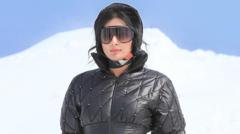
A recent fashion show held in the picturesque town of Gulmarg, Kashmir has stirred up significant controversy. Organized by the well-known fashion brand Shivan & Narresh, the event was intended to showcase their new skiwear collection. However, it quickly turned into a battleground of cultural sensitivities, particularly due to its timing during the holy month of Ramadan.The backlash commenced shortly after the fashion publisher Elle India shared a video on social media, depicting models in minimal attire, including underwear and bikinis. Additional anger was fueled by footage of a post-show party that featured alcohol consumption outdoors. Many locals, religious leaders, and politicians expressed outrage, accusing the designers of "mocking their faith" and disregarding the sentiments of a majority Muslim population.Clerics condemned the show, labeling it "obscene" and indicative of a cultural imposition by outsiders. The reaction was exacerbated by Kashmir's complex socio-political landscape, a region that has endured decades of conflict and separatist movements against Indian governance. In light of these tensions, the event raised alarms about cultural preservation and the influence of tourism.In the aftermath, both Elle India and Lifestyle Asia withdrew their videos amidst the backlash. The designers themselves issued apologies, stating their aim was merely to celebrate creativity, not to offend. The controversy escalated further, transitioning into discussions in the Jammu and Kashmir legislative assembly, where the opposition criticized the government for approving the event despite local sensitivities.Kashmir has a rich cultural heritage characterized by modest attire, often represented by the pheran, a long cloak traditionally worn by both men and women. This backdrop makes the timing and nature of the fashion show particularly contentious. Chief Minister Omar Abdullah distanced his government from the event, asserting it was organized privately and urged for a local investigation into any potential legal violations.Fashion journalists and industry insiders weighed in, cautioning that while unique locations can heighten the artistic value of fashion displays, such spectacles must consider the political and cultural sensitivities involved, especially in a region like Kashmir, marred by conflict.The fashion show is not the first instance of an event organized by outsiders facing outrage in Kashmir. Previous events have similarly drawn ire, reflecting a suspicion towards corporate involvement and fear of cultural dilution. Locals pointed out that government-led tourism initiatives post-Article 370 abrogation have altered perceptions of Kashmir, leading to tensions over cultural respect from visitors.Concerns regarding the implications of such distractions on local sentiments were echoed by many. There are calls for deeper exploration of the intersections between creativity and culture, raising questions about whether similar events could be acceptable in other Indian cities or if they could adhere to local customs while still promoting artistic expression.In conclusion, the fashion show in Gulmarg represents a complex narrative of creativity clashing with cultural identity in a sensitive region, raising fundamental questions about locality, respect, and the ongoing debate around the preservation of Kashmiri heritage.