Zimbabwe MPs Pass Bill to Extend President Mnangagwa’s Tenure to 2030
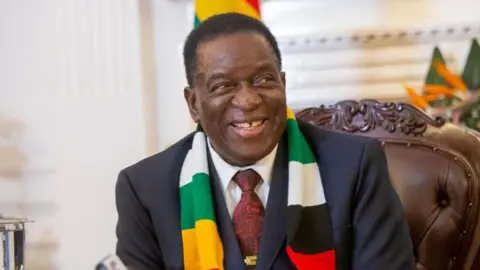
The lower house of Zimbabwe’s parliament approved a constitutional amendment that will lengthen presidential terms from five to seven years and remove direct elections, allowing President Emmerson Mnangagwa to remain in office until 2030.
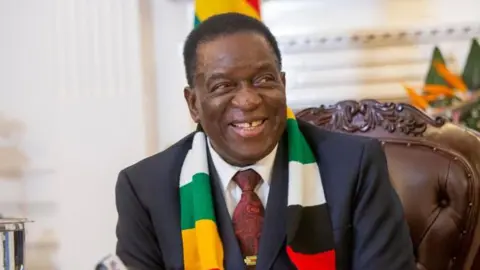
More than 200 lawmakers voted in favour on Thursday, surpassing the 187 votes needed for a two‑thirds majority. The bill scrapes presidential elections, changes the next presidential election to a parliamentary vote, and delays the next parliamentary elections from 2028 to 2030. The draft is poised to move to the senate and then to President Mnangagwa for assent.
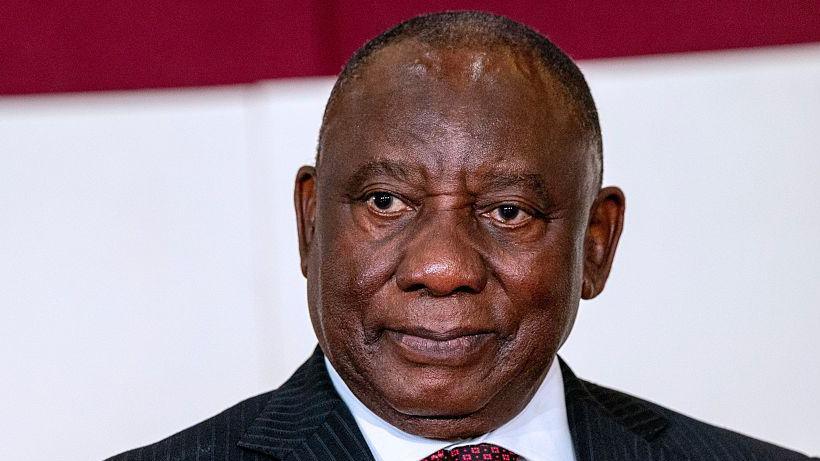
The amendment follows a long‑standing campaign by the ruling Zanu‑PF party, which has been in power since independence. Mnangagwa, who came to power in 2017 after ousting Robert Mugabe, has touted himself a constitutionalist but has faced accusations of violating democratic norms.
Opposition parties, civil society groups and constitutional lawyers argue that a change as profound as this should be subject to a national referendum. The 2013 constitution set a limit of two presidential terms and required any extension to be voted on by the populace.
A legal challenge against the bill was dismissed by Zimbabwe’s Constitutional Court, clearing the way for the amendment to advance through parliament. Proponents claim it is necessary for stability, while critics warn it may erode checks and balances.
The decision has sparked intense debate about Zimbabwe’s political future and the balance between continuity and democratic accountability.