Zimbabwe MPs pass bill to extend president's time in power
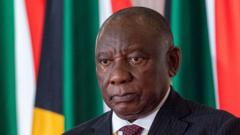
Ensuring President Emmerson Mnangagwa’s continued hold on power has become the focal point of a newly adopted constitutional amendment that extends presidential terms from five to seven years.
On a Thursday vote, 216 lawmakers voted in favour, surpassing the two‑thirds majority required to amend the constitution, while 42 voted against.
Disrupting a 22‑year tradition, the bill scrapes direct presidential elections; the next president will instead be elected by Parliament. Parliamentary terms will be extended to seven years and the 2028 parliamentary election will be postponed to 2030.
Mnangagwa, who assumed office in 2017 after ousting Robert Mugabe, has won contested elections in 2018 and 2023. The amendment now heads to the Senate, where it is expected to pass, and will be enacted by the president himself.
Opposition parties, civil society groups and constitutional lawyers have raised concerns that such a fundamental change should be subjected to a national referendum rather than Parliament alone.
Constitutionally, a 2013 amendment limited a president to a maximum of two terms and required any extension to be ratified by voters in a second referendum, a provision that the Constitutional Court on Wednesday dismissed.
The move has intensified debate over Zimbabwe’s democratic future, with supporters citing stability while opponents warn of weakened accountability.

EPA-EFE