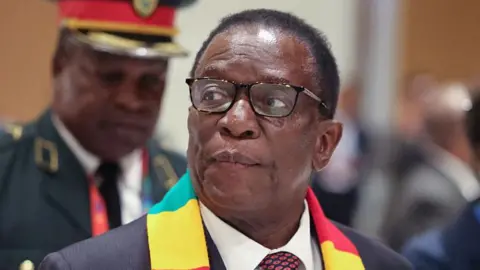
Fears are growing in opposition circles in Zimbabwe that the ruling Zanu-PF party is making a new grab for power as it presses ahead with constitutional amendments aimed at giving parliament - rather than voters - the right to elect the president and to extend his term from five to seven years.
This is a coup, a slow coup that is unfolding in Zimbabwe, veteran opposition politician and former finance minister Tendai Biti told the BBC.
But Zanu-PF - in power since independence in 1980 - has vehemently defended the proposed changes. There's nothing that stops us to change, to go to another system that's less costly, less controversial, party spokesman Patrick Chinamasa said.
The conflicting views highlight the deep polarisation that draft legislation - aimed at changing the constitution - has caused, pitting Zanu-PF and opposition supporters against each other. This became clear during public hearings that parliament held recently to give people a chance to express their views on the proposed shake-up that will lead to:
- Presidential elections - held since 1990 - being scrapped
- Parliamentary and presidential terms being extended from five to seven years
- Parliamentary elections scheduled for 2028 being delayed to 2030
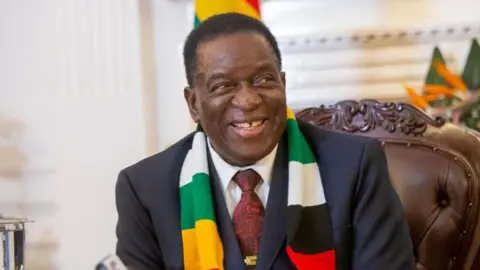
- President Emmerson Mnangagwa, whose second and final term is due to end in 2028, remaining in office until 2030
- The new parliament electing the next president.
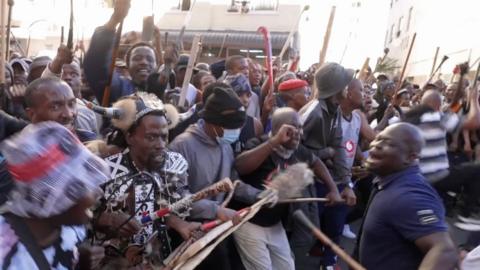
At a recent hearing in Harare, crowds cheered for speakers who supported the bill. Thousands voiced support for extending Mnangagwa’s term, but the opposition fears a return to political repression. Activists report instances of violence and intimidation against those who oppose the legislation, demonstrating the tensions surrounding this issue.
With parliament expected to pass the bill soon, concerns linger about its implications for democracy in Zimbabwe, with critics warning against the erosion of constitutional rights and the risk of perpetuating an authoritarian regime.
This is a coup, a slow coup that is unfolding in Zimbabwe, veteran opposition politician and former finance minister Tendai Biti told the BBC.
But Zanu-PF - in power since independence in 1980 - has vehemently defended the proposed changes. There's nothing that stops us to change, to go to another system that's less costly, less controversial, party spokesman Patrick Chinamasa said.
The conflicting views highlight the deep polarisation that draft legislation - aimed at changing the constitution - has caused, pitting Zanu-PF and opposition supporters against each other. This became clear during public hearings that parliament held recently to give people a chance to express their views on the proposed shake-up that will lead to:
- Presidential elections - held since 1990 - being scrapped
- Parliamentary and presidential terms being extended from five to seven years
- Parliamentary elections scheduled for 2028 being delayed to 2030
- President Emmerson Mnangagwa, whose second and final term is due to end in 2028, remaining in office until 2030
- The new parliament electing the next president.
At a recent hearing in Harare, crowds cheered for speakers who supported the bill. Thousands voiced support for extending Mnangagwa’s term, but the opposition fears a return to political repression. Activists report instances of violence and intimidation against those who oppose the legislation, demonstrating the tensions surrounding this issue.
With parliament expected to pass the bill soon, concerns linger about its implications for democracy in Zimbabwe, with critics warning against the erosion of constitutional rights and the risk of perpetuating an authoritarian regime.