MILWAUKEE (AP) — A Wisconsin judge accused of helping a Mexican immigrant evade federal authorities is set to present her case as her trial on obstruction and concealment charges winds down.
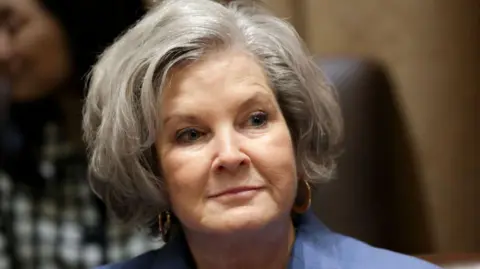
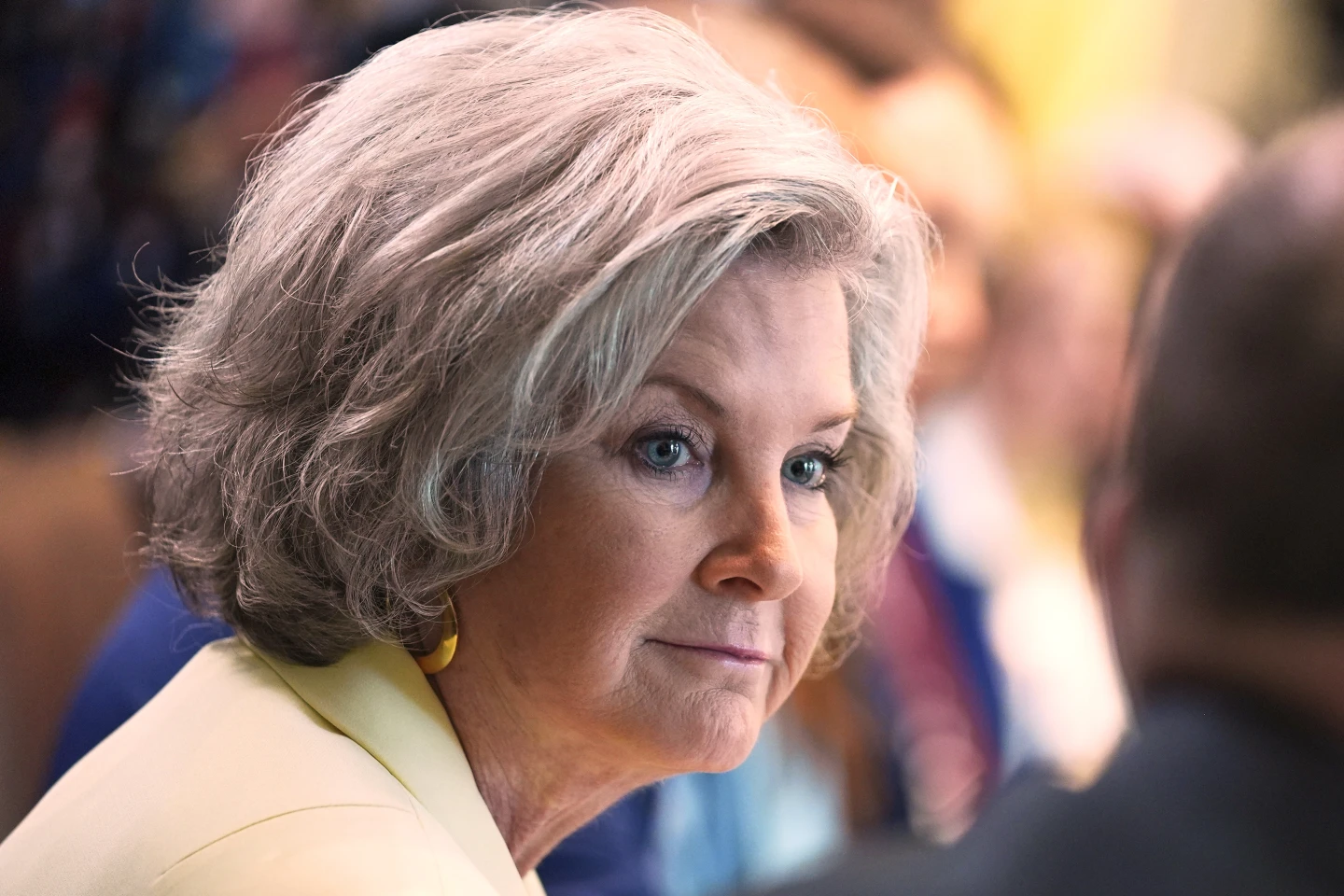
Prosecutors rested their case against Milwaukee County Circuit Judge Hannah Dugan on Wednesday after three days of testimony. Dugan’s defense attorneys indicated plans to call four witnesses starting Thursday morning, although it remained uncertain if Dugan would take the stand. Closing arguments could begin as early as Thursday afternoon.
The unusual charges against a sitting judge arise in the context of President Donald Trump’s strict immigration policies. Dugan’s advocates argue that her prosecution is meant to send a message to judges opposing immigration arrests.
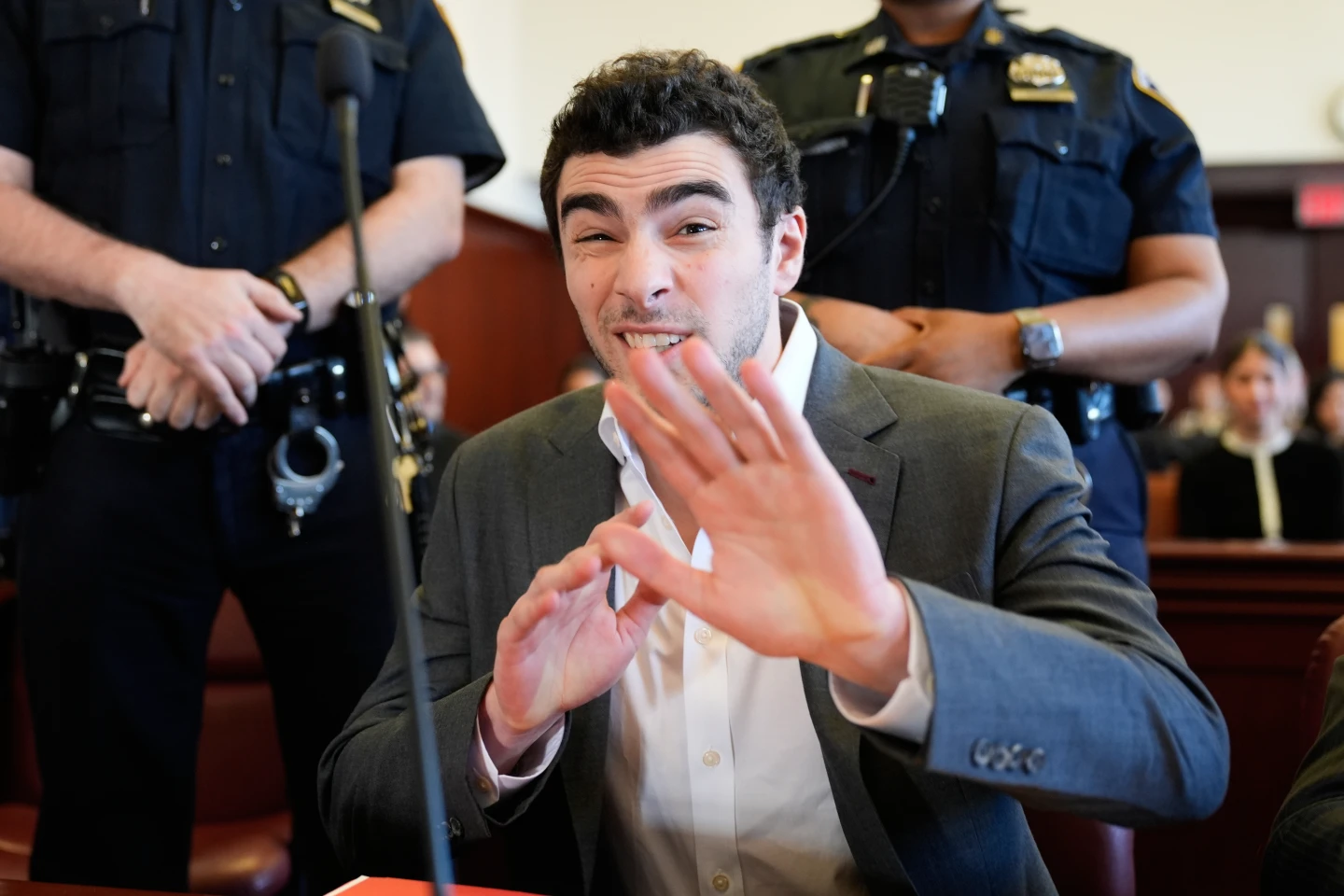
Prosecutors aimed to demonstrate that Dugan intentionally interfered with a federal immigration task force's efforts to arrest 31-year-old Eduardo Flores-Ruiz at the Milwaukee County Courthouse.
The task force had learned Flores-Ruiz was in the country illegally following his arrest on state battery charges, prior to a scheduled court hearing with Dugan on April 18. Agents and officers were poised to arrest him upon exiting the hearing. However, witness testimonies revealed a confrontation where Dugan allegedly challenged the arrest team, directing them to report to the chief judge's office.
Dugan reportedly escorted Flores-Ruiz out a private door after directing the agents away. Audio recordings of court proceedings indicated Dugan mentioned she would take 'the heat' for her actions. This maneuver left immigration agents short-handed, ultimately leading to a foot chase before Flores-Ruiz was arrested. Judge Kristela Cervera, who testified against Dugan, expressed discomfort during the confrontation and stated that judges should not assist in evading arrests.
In her defense, Dugan’s attorneys argued that her actions were aligned with draft courthouse policies regarding referrals for immigration agents seeking to make arrests. They contended that the arrest team could have apprehended Flores-Ruiz anytime after the courtroom hearing, and Dugan should not be held responsible for their decision to wait.
Prosecutors rested their case against Milwaukee County Circuit Judge Hannah Dugan on Wednesday after three days of testimony. Dugan’s defense attorneys indicated plans to call four witnesses starting Thursday morning, although it remained uncertain if Dugan would take the stand. Closing arguments could begin as early as Thursday afternoon.
The unusual charges against a sitting judge arise in the context of President Donald Trump’s strict immigration policies. Dugan’s advocates argue that her prosecution is meant to send a message to judges opposing immigration arrests.
Prosecutors aimed to demonstrate that Dugan intentionally interfered with a federal immigration task force's efforts to arrest 31-year-old Eduardo Flores-Ruiz at the Milwaukee County Courthouse.
The task force had learned Flores-Ruiz was in the country illegally following his arrest on state battery charges, prior to a scheduled court hearing with Dugan on April 18. Agents and officers were poised to arrest him upon exiting the hearing. However, witness testimonies revealed a confrontation where Dugan allegedly challenged the arrest team, directing them to report to the chief judge's office.
Dugan reportedly escorted Flores-Ruiz out a private door after directing the agents away. Audio recordings of court proceedings indicated Dugan mentioned she would take 'the heat' for her actions. This maneuver left immigration agents short-handed, ultimately leading to a foot chase before Flores-Ruiz was arrested. Judge Kristela Cervera, who testified against Dugan, expressed discomfort during the confrontation and stated that judges should not assist in evading arrests.
In her defense, Dugan’s attorneys argued that her actions were aligned with draft courthouse policies regarding referrals for immigration agents seeking to make arrests. They contended that the arrest team could have apprehended Flores-Ruiz anytime after the courtroom hearing, and Dugan should not be held responsible for their decision to wait.