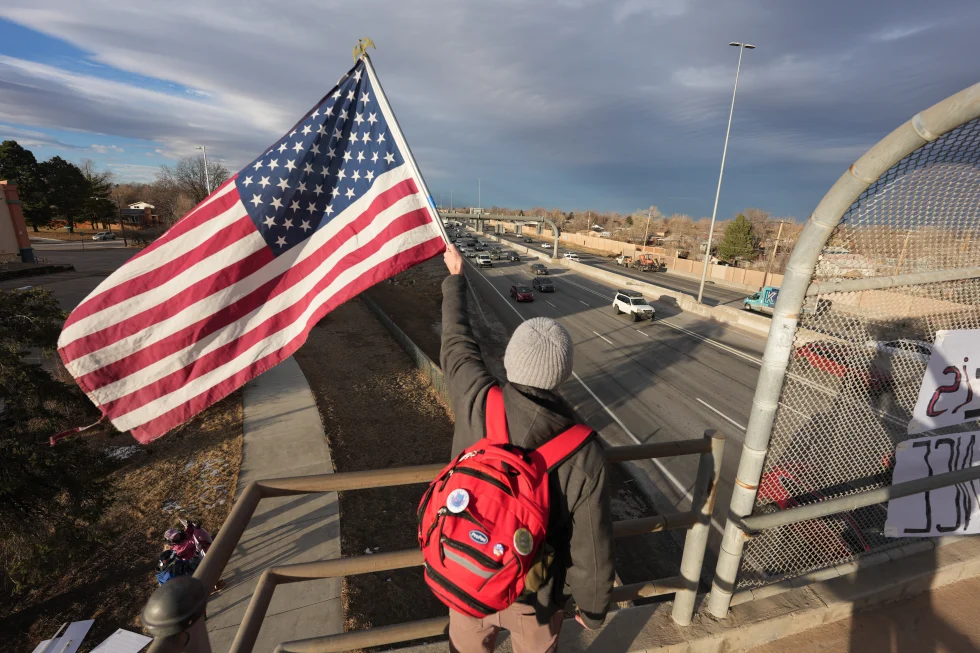
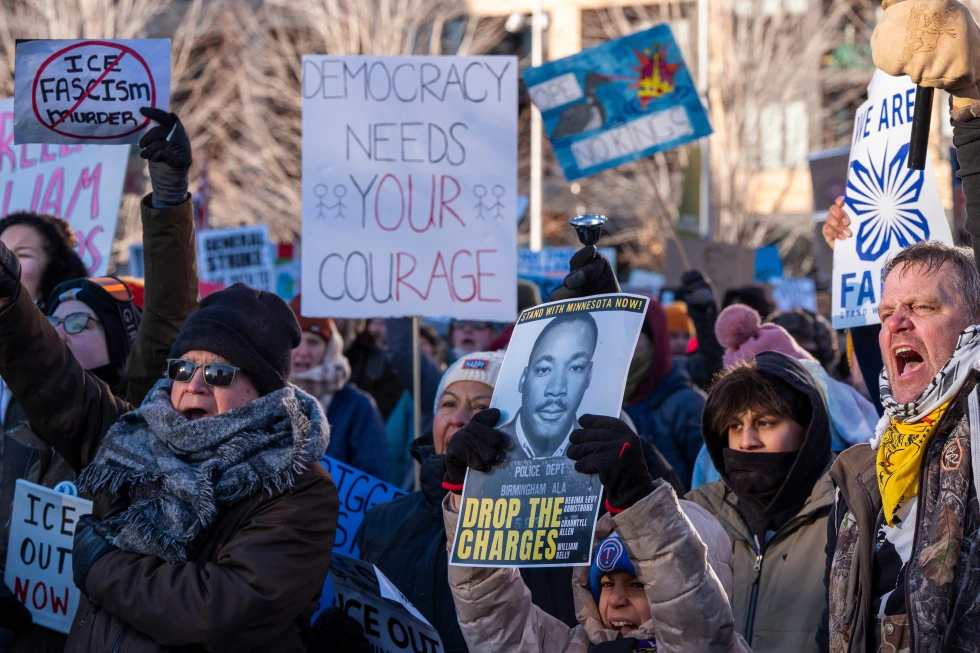
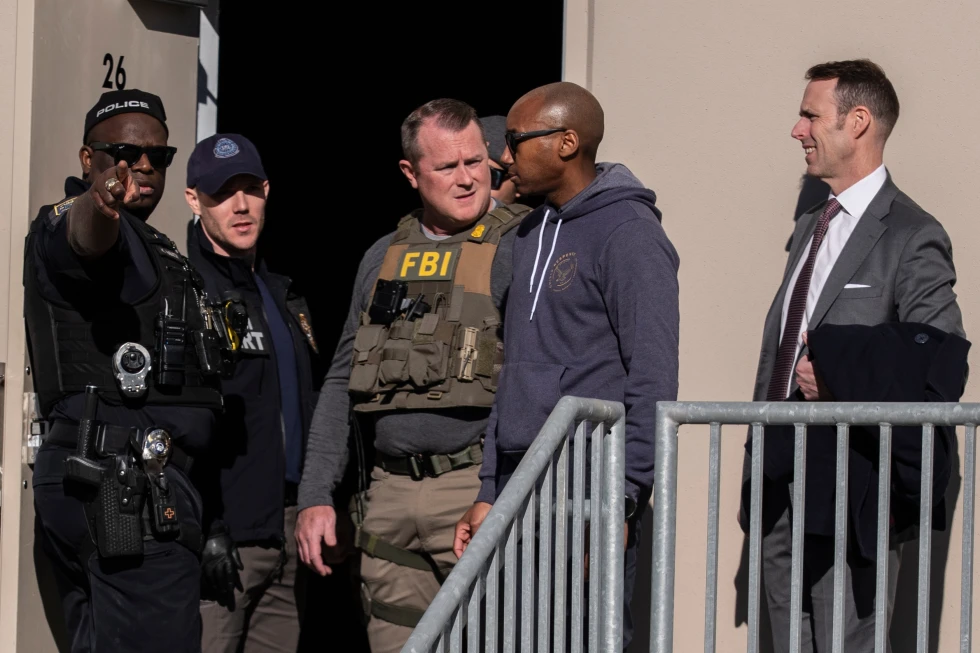
WASHINGTON (AP) — The federal agent described her wounds as “boo-boos.” Nevertheless, the Justice Department aggressively pursued the alleged perpetrator. They jailed Sidney Lori Reid on a charge of felony assault, accusing her of injuring the agent during a July protest of President Donald Trump’s immigration crackdown in Washington, D.C. When grand jurors thrice declined to indict the 44-year-old on the felony, prosecutors tried Reid on a misdemeanor. Body camera footage played at trial revealed that Reid had not intentionally struck the agent. Instead, the agent had scratched her hand on a wall while assisting another agent who had shoved Reid and told her to “shut the f—- up” and “mind her own business.” It took jurors less than two hours to acquit the animal hospital worker. “It seemed like my life was just going to be taken away from me,” said Reid, who spent two days in jail and worried she would lose her new job and apartment. Reid’s case was part of the Justice Department’s months-long effort to prosecute people accused of assaulting federal officers during protests. However, of the 100 people initially charged with felony assaults on federal agents, many had their charges reduced or dismissed outright. Recent analyses indicate that over 40% of cases involved minor misdemeanor charges, leading critics to argue that these prosecutions undermine the severity of alleged assaults and chill freedom of expression.
Justice Department's Pursuit of Protesters Faces Setbacks
Justice Department's Pursuit of Protesters Faces Setbacks
The Justice Department's aggressive actions against individuals accused of assaulting federal officers during protests are seeing diminishing success, with numerous cases being acquitted or dropped.
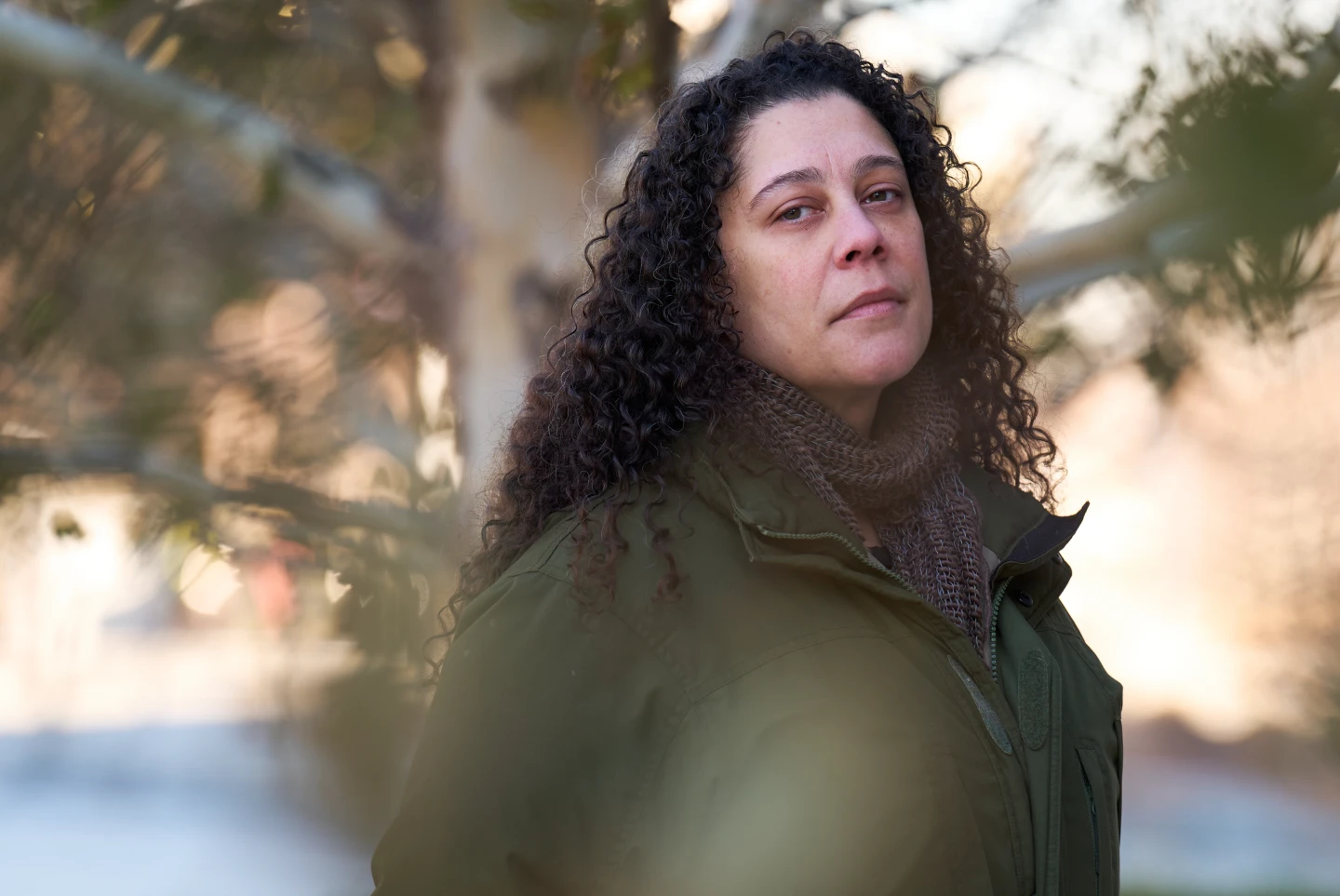
In Washington, D.C., Sidney Reid was acquitted of assault charges related to a protest against President Trump's immigration policies, highlighting challenges for the Justice Department's efforts to prosecute alleged offenses during demonstrations. Reid's case is emblematic of a broader trend where felony charges are being downgraded or dismissed due to weak evidence. Recent data shows that many individuals charged with felonies in similar contexts have had their offenses reduced to misdemeanors or faced acquittals in court, raising questions about the DOJ's aggressive prosecutorial tactics.