In brief
As major Indian cities confront severe air pollution, neglected waste management, and deteriorating road infrastructure, citizens express their frustration through protests and public outcries. Despite significant government investments in infrastructure, a historical lack of effective governance and data hinders meaningful progress. This article investigates the reasons behind the alarming decline in urban livability across India.
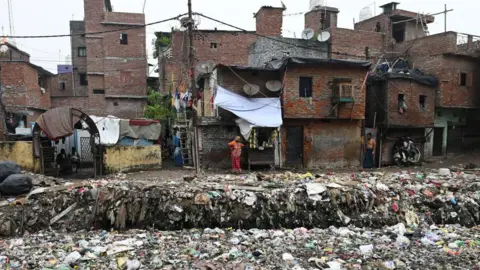
The urban decay affecting Indian cities is starkly evident. As a local taxi driver poignantly remarked during a visit to Jaipur, tourists seeking the royal charm should just opt for a postcard. The contrast between the majestic architecture and the littered streets reflects a deep-seated issue of governance and management in rapidly urbanizing landscapes. Despite billions reportedly spent on infrastructure upgrades such as new airports and metro systems, cities like Bengaluru and Mumbai are plagued by relentless traffic jams and uncollected garbage.Public sentiment is boiling over; protests have erupted in Mumbai over damaged roads and in Delhi due to hazardous air quality. Experts cite a lack of credible governance models as a root problem, compounded by inefficient local authorities and insufficient data on urban growth. While urban centers in India need urgent revitalization, the path forward remains murky amid entrenched bureaucratic hurdles and a historical reluctance to delegate governance powers effectively. Faced with these compounded challenges, many citizens wonder what it will take for fundamental change to take place.