In brief
The interim Venezuelan government has launched formal talks with selected opposition figures scheduled to begin on 1 August. This move follows the U.S. raid that removed former president Maduro and the devastation caused by twin earthquakes that killed thousands. Opposition leaders, notably Dinorah Figuera, return from exile to push for reforms of the National Electoral Council and democratic institutions. Both sides have called the talks a pathway to democratic restoration, though critics question the effectiveness of post‑earthquake responses.
On 1 August, the interim Venezuelan government announced the start of formal talks with selected opposition members. The announcement follows the U.S. raid that removed former President Nicolás Maduro and the subsequent shift in power under the current administration.
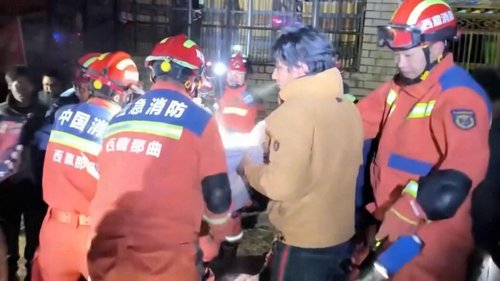
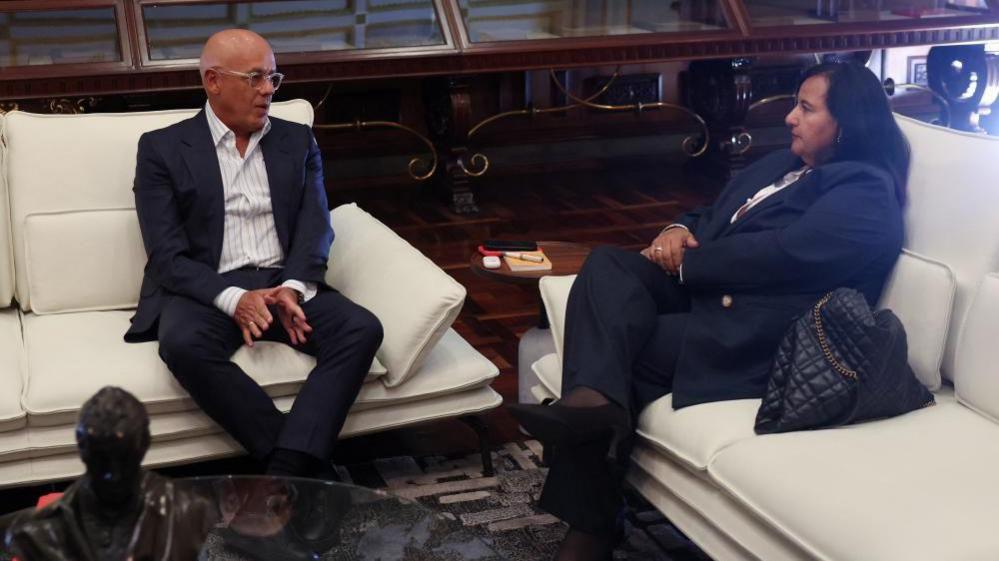
Both sides released statements simultaneously that the talks will lay out a route map to democracy, with the government’s legislative leader Jorge Rodríguez citing the twin earthquakes that left nearly 4,700 people dead as a catalyst for dialogue.
Opposition leader Dinorah Figuera, who returned from exile after a U.S. invitation, aims to renew the National Electoral Council and strengthen democratic institutions that have been dominated by loyalists since the last free elections in 2015.
The 2024 presidential election was declared won by Maduro by the National Electoral Council, though independent counts showed overwhelming support for opposition candidate Edmundo González. The new talks are expected to address such electoral disputes.
Amid the post‑earthquake reconstruction, the government stresses unity as key to rebuilding, while critics argue the response neglects many affected communities.