In brief
In the mountains near Aden, twins Raghad and Raad were born prematurely as fighting escalated in Yemen. Fleeing bombing, their family walked three days to a hospital where the children were severely ill and malnourished. Health workers, strained by limited resources, treated the twins on a single bed with fortified milk but could not prevent the worst of the crisis. The article traces the twins’ journey, the hospital’s cramped conditions, and the broader impact of Yemen’s civil war on children’s nutrition. Limits in funding and equipment, rising food costs, and the displacement of thousands compound the situation, underscoring the urgent need for international aid.
In the shadows of the Kahboub mountains, tiny twins Raghad and Raad were born just a week shy of their first birthday, as guns thundered above their village. Their world was crushed when rebel forces surged, forcing a family of seven to flee, clutching nothing but blankets for their newborns.
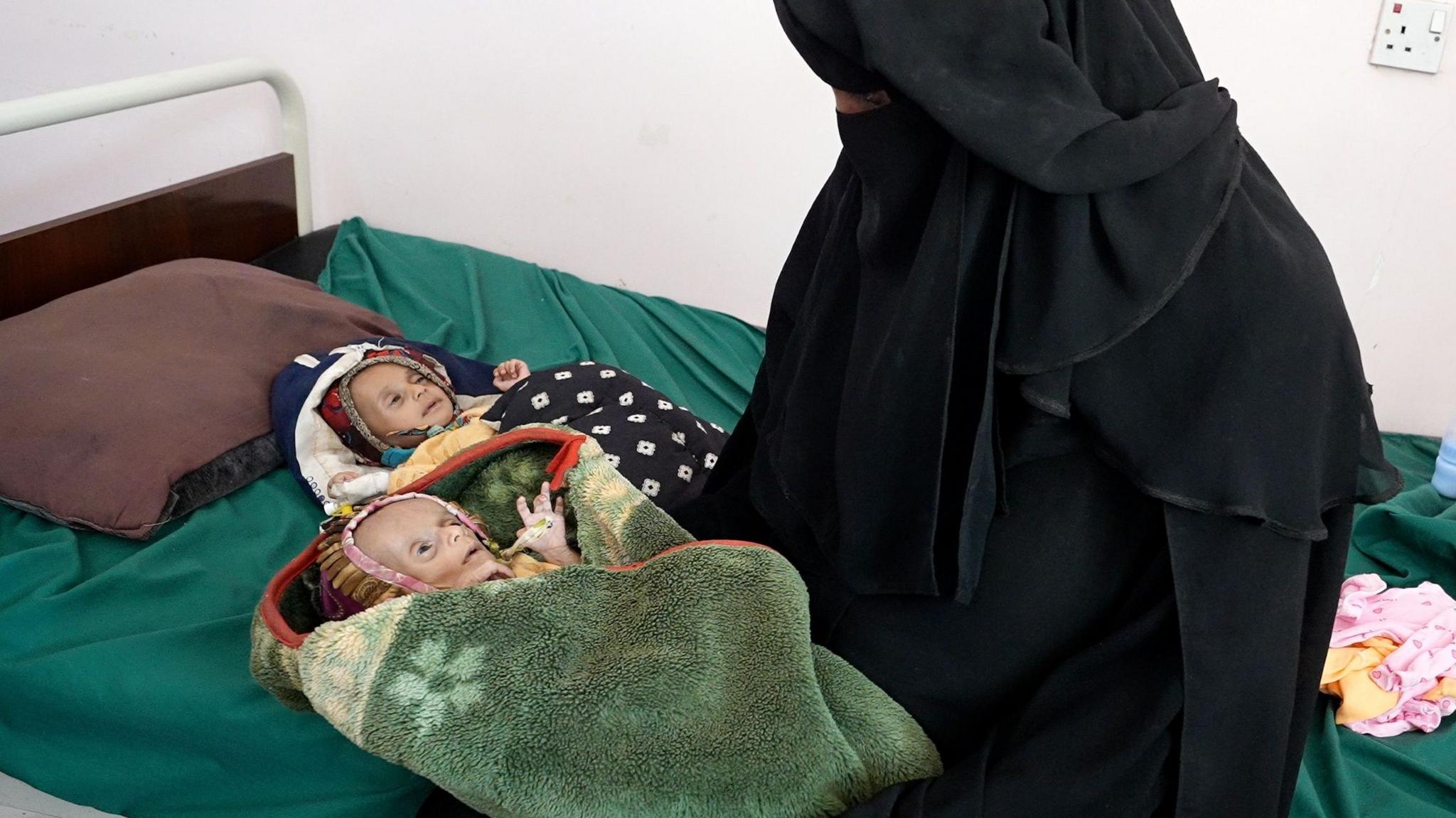
The escape was brutal. Three days on foot led them to Aden, the last rear‑guard against the siege, where conditions could barely support life. The twins were near death—vitreous, rolling, unable to keep even fortified milk down. In al‑Sadaqah hospital, doctors described their state as "just skin and bone," a stark picture of severe acute malnutrition, a foe that can kill faster than a single bullet.
Hospital Under Strain
Within a gritty white corridor, 22 beds exist, but only 13 are available for life‑saving care due to lack of international funding, staff and equipment—especially oxygen and ventilators. Each day, another baby loses the chance to survive, and former patients return after only days, unable to afford proper nutrition or medications.
Behind doorways, a devoted nurse named Aisha Ragab insists on sharing a single bed for the twins, a small defiance in a system crumbling under war and resource shortages. Yet when Raad struggles to swallow fortified formula, his mother Lina looks on with a quiet prayer: “God willing.”
War‑Driven Hunger Pandemic
Yemen’s civil war is not the cause of its hunger—food scarcity existed before. The conflict, however, has amplified it, crushing markets, fueling skyrocketing prices, and pushing half a million children toward severe malnutrition this year alone. The assault on Aden’s port and the blockade of Taiz have cut off food supplies, making daily survival a gamble of might and unseen costs.
Father Bajash, a now‑shepherd with no flock, watches his children—three of them under five—sleep outside on a cold bench while he watches the twins’ fragile breaths in a dim ward. The next morning the next family will be on the hospital’s reception, hoping for the same breath of hope found in a discharged patient’s return.
Looking Ahead
The story of Raghad and Raad is a micro‑cosm of a nation bleeding under relentless conflict. With no shelter, no savings, and no stable food access, lives are threatened not only by bombs but by the silent erosion of nutrition. All the world must recognize that humanitarian aid must reach families faster than the next shell lands, that funding must match the influx of desperate children, and that the international community cannot let this crisis slide into a haze of war‑fatigue and funding cuts.