In brief
In Oslo, U.S. envoy Steve Witkoff met Ukrainian President Volodymyr Zelenskiy in a meeting described as constructive, yet concrete outcomes remain scarce. Norwegian Prime Minister Jonas Store floated a three‑way summit, but President Vladimir Putin hesitated to convene in Moscow. Kremlin officials hinted at resuming technical talks in Abu Dhabi, but their substance was unclear. Meanwhile, Russian adviser Yuri Ushakov noted the dialogue offered little value and he remains unpressed to conclude hostilities. Amid changing U.S. sanctions policy under Donald Trump, a future Putin‑Trump‑Zelenskiy meeting appears unlikely, though a Putin‑Trump‑Xi session in China could reflect a new Yalta‑style convergence.
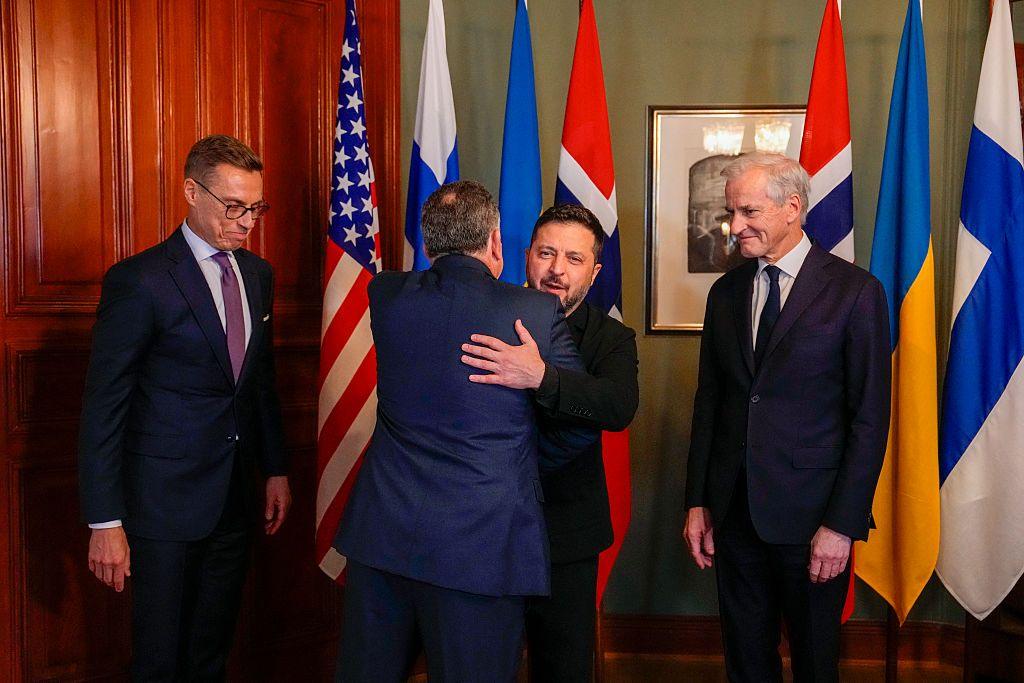
Oslo, Norway – Two days of high‑profile diplomacy, involving Vice President of the United States Donald Trump’s envoy Steve Witkoff and Ukrainian President Volodymyr Zelenskiy, ended in a verdict that the conversation was “good and constructive” but offered little concrete momentum toward ending the war in Ukraine.
Prime Minister Jonas Store of Norway floated the idea of a trilateral summit involving the United States, Ukraine and Russia. Yet the Kremlin’s chief negotiator, foreign policy aide Yuri Ushakov, signalled that the discussions around Moscow would not progress beyond a technical level, after Witkoff’s brief session with President Putin during a separate Moscow visit.
Ushakov, who played a key role in St Petersburg talks, admitted that “there wasn’t much there that was useful” when accounting for the recent Oslo discussions. He reiterated that Russia felt no urgent pressure to halt the conflict, noting the collapse of Ukraine’s air defences, the impending winter, and the growing diplomatic space afforded to Moscow by Washington’s shift in policy.
President Putin’s apparent lack of urgency came sharply in contrast with U.S. actions under Donald Trump: a pause in sanctions on Moscow and a fresh deal to purchase Russian diesel. Trump’s willingness to ease pressure on Russia has, according to Kremlin sources, opened a path for Moscow’s leadership to maintain a hard line.
Experts say a meeting between Putin, Trump and Zelenskiy is not imminent. Instead, analysts point to a possible “New Yalta”‑type gathering in China next month, where the three leaders could convene alongside Chinese President Xi Jinping. That scenario would mirror the 1945 meeting and could elevate Putin’s status in global politics, while also reflecting the intricate balancing act among the world’s remaining superpowers.