In brief
This article delves into the multifaceted relationship between China and Russia, highlighting their partnership's strengths and the inherent imbalances. Both nations share significant economic interests, with China often dictating terms, while also navigating complexities like Western sanctions and historical ties. The dynamic encompasses economic dependencies, geopolitical strategies, and cultural interactions that both shape and challenge their ongoing friendship.
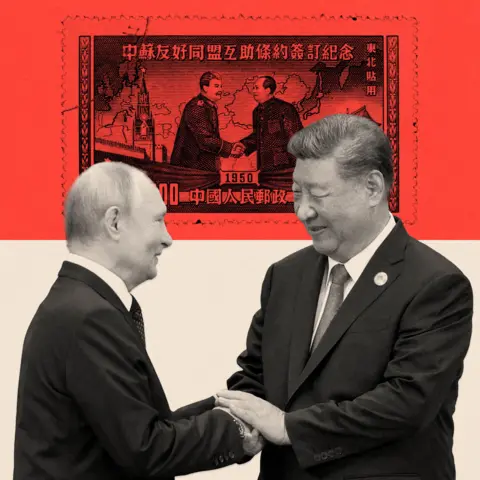
As they strolled through Tiananmen Square in Beijing last September, Chinese President Xi Jinping and Russian President Vladimir Putin mused over possibilities that organ transplants could dramatically extend human life. Conversations like these offer a rare insight into a seemingly deep-rooted friendship that has garnered attention across the globe.This partnership, often labeled as a 'friendship with no limits,' is fraught with imbalances, primarily favoring China’s interests. Russia has become heavily reliant on Beijing for various sectors, especially after facing escalating Western sanctions following its military engagements. In many ways, China has moved to dictate the terms of trade, aligning with its larger economic strategy and geopolitical aspirations.The dynamics of their relationship have evolved over the years, with Russia considering itself a great power unwilling to be seen as a junior partner despite its growing dependence on China. This precarious balance is further complicated by the implications of the ongoing war in Ukraine, positioning Russia as both an ally and a potential liability to China’s global strategies.Furthermore, despite Putin and Xi projecting camaraderie, skepticism abounds regarding genuine cultural affinities. Russian preferences for the West over China in terms of residence and investment often contrast sharply with Chinese increasing reliance on Russian resources.As these two nations navigate their intertwined relations amid escalating global tensions and divergent interests in some areas, it becomes increasingly clear that while their partnership may be resilient, it is also marked by complexities that pose challenges for both sides.