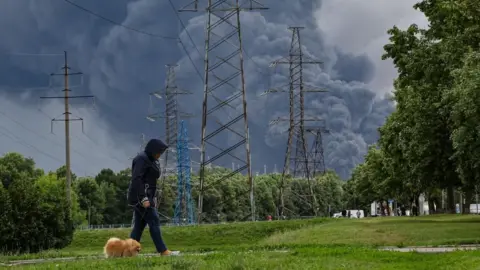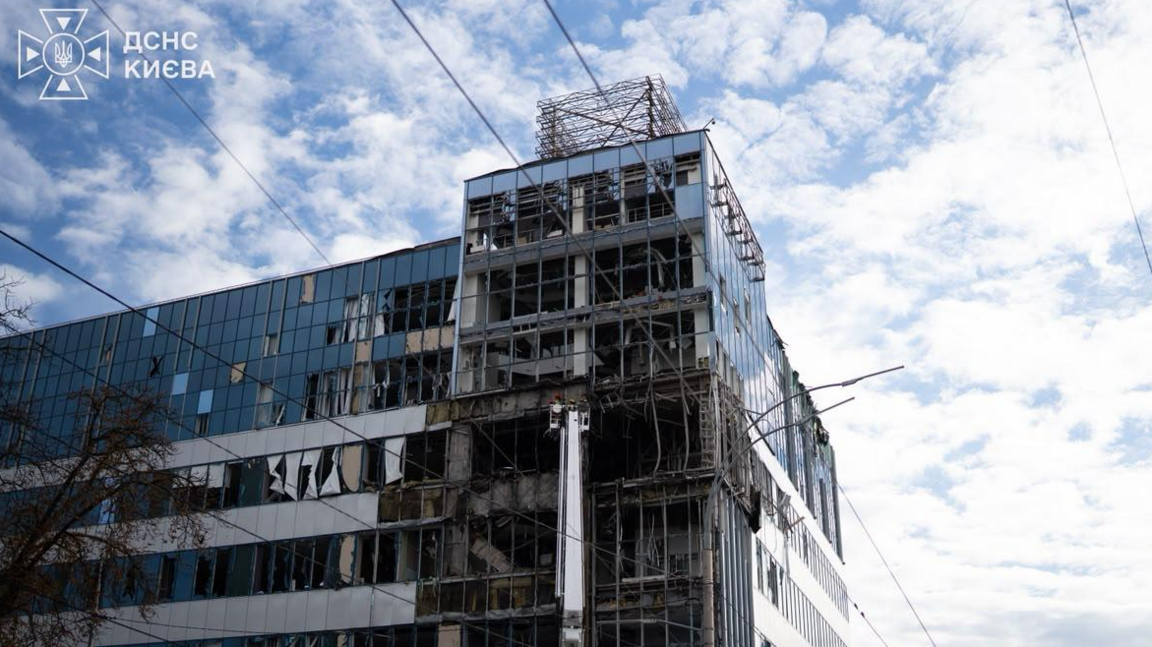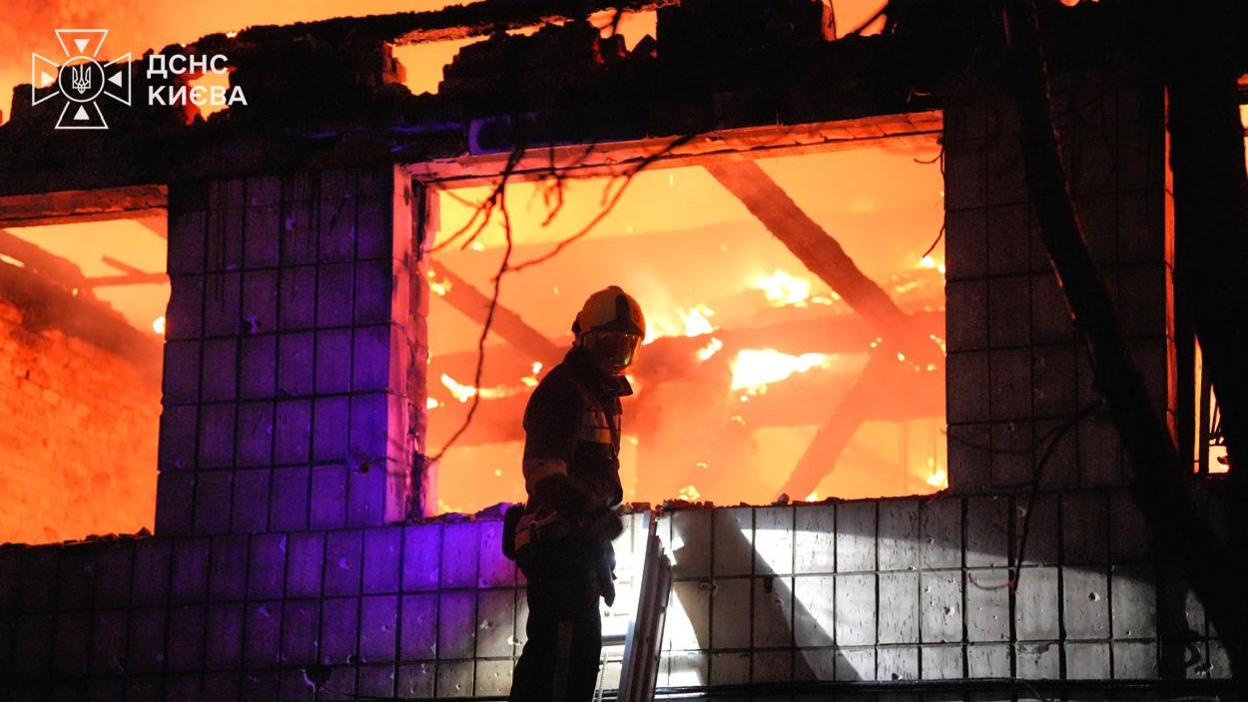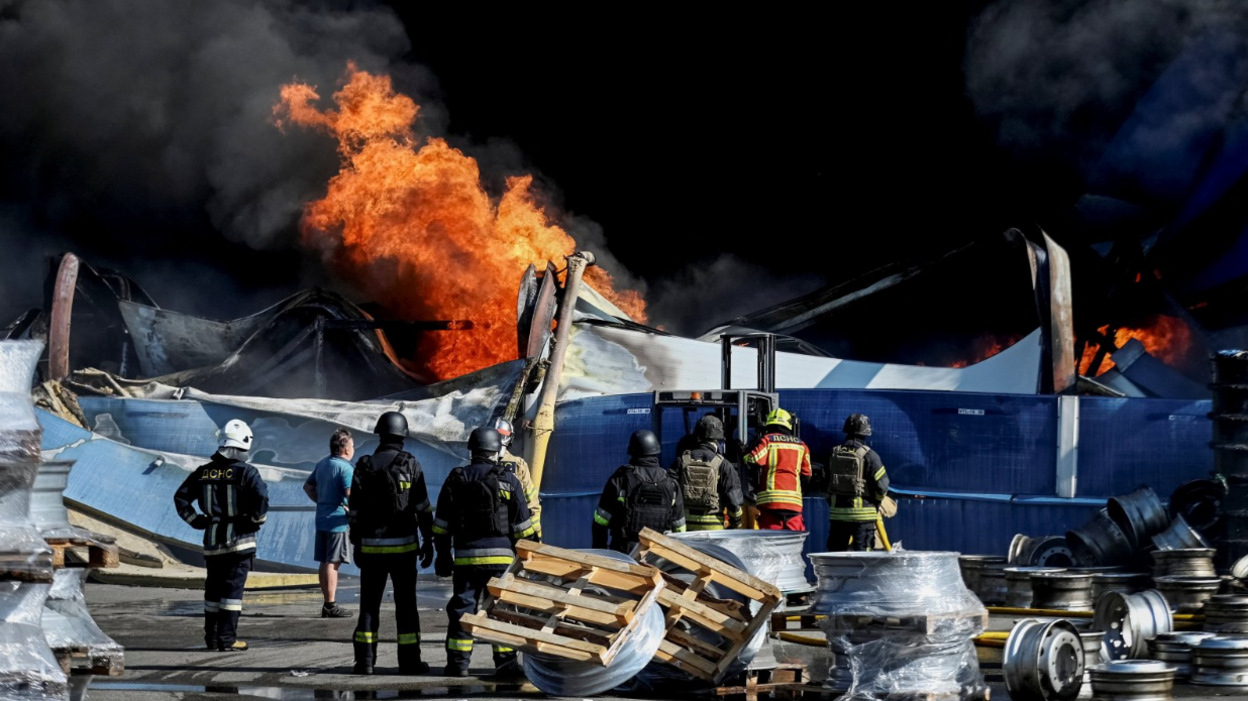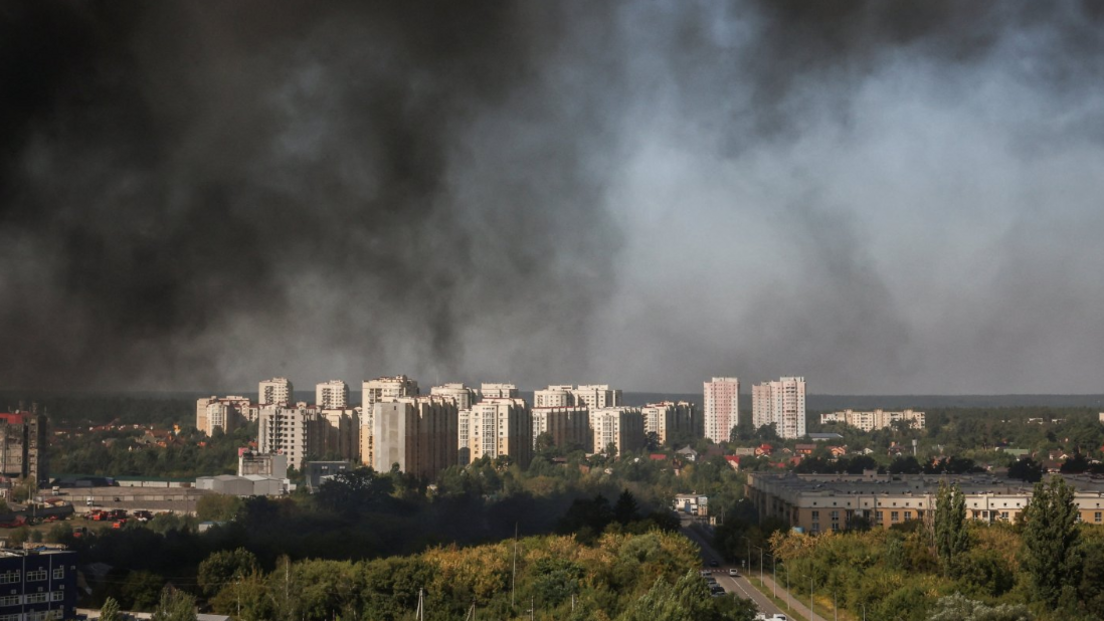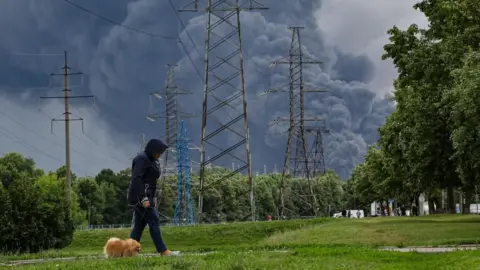
The city’s ordinary rhythm was abruptly disrupted on Thursday morning, when a Ukrainian drone strike hit an oil refinery in Moscow’s eastern outskirts. A cloud of acrid black smoke rose over the skyline, turning the sky into a dark shroud that could be seen from the M5 ring road.
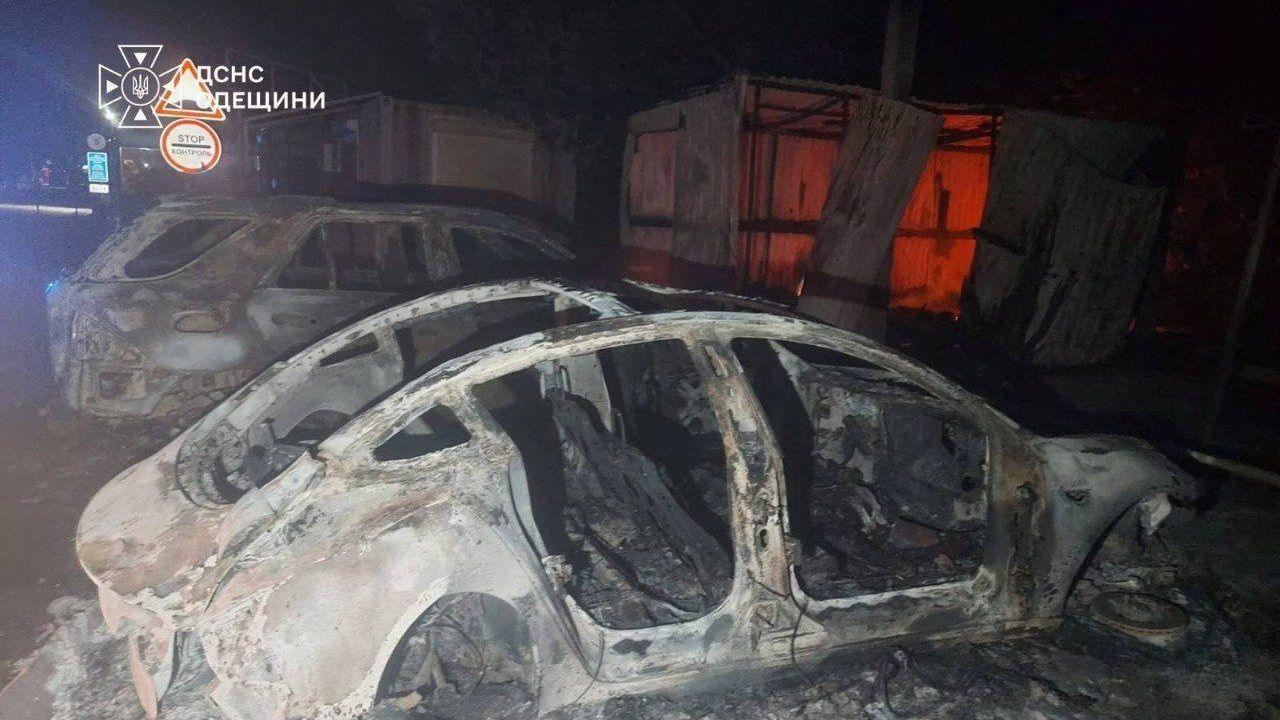
The blast damaged the refinery and caused fires at nearby shopping centres and residential buildings. Among the casualties was an eight‑year‑old girl, whose death the governor of Moscow’s region said was caused by one of the drone‑strike fires.
Despite the chaos, many residents appeared unaware of the severity of the attack. An angler sat on a pond, an elementary school playground buzzed with children, and shoppers moved in and out of supermarkets—life seemed to go on as if the sky were unchanging.
“I heard explosions and saw lots of smoke. It felt like something from a movie,” recalled a resident who lives opposite the refinery.
The incursion is the largest aerial assault on the Moscow region since Russia’s full‑scale invasion of Ukraine, signalling a shift from a war fought on the front lines to one affecting the Russian capital itself.
In the hours following the attack, President Vladimir Putin made no reference to the raid, and Russian news channels barely mentioned it. When Kremlin officials finally commented, they framed the incident as part of a broader campaign that, they claimed, would yield greater results against Ukraine. The official storyline was that Ukrainian suffering outweighs any damage inflicted on Russia.
Russian rhetoric and the financial pressures from repeated Ukrainian strikes on oil facilities—fuel shortages and rising pump prices—reflect mounting domestic anxiety. Moscow’s authorities acknowledged the threat of future attacks, with outlets warning that such assaults could become frequent.