In brief
Senior Ugandan opposition politician Kizza Besigye was taken to intensive care after fainting in the High Court during his treason trial. His wife, WHO’s AIDS head Winnie Byanyima, condemned the treatment he received and demanded that he be permitted to see his own doctor. Besigye has been in detention since November 2024, with his lawyers facing arrest and his wife requesting humanitarian release. The case draws sharp criticism from opposition and human‑rights groups amid allegations that the state is violating his basic rights.
Veteran Ugandan opposition leader collapses in court and is admitted to ICU
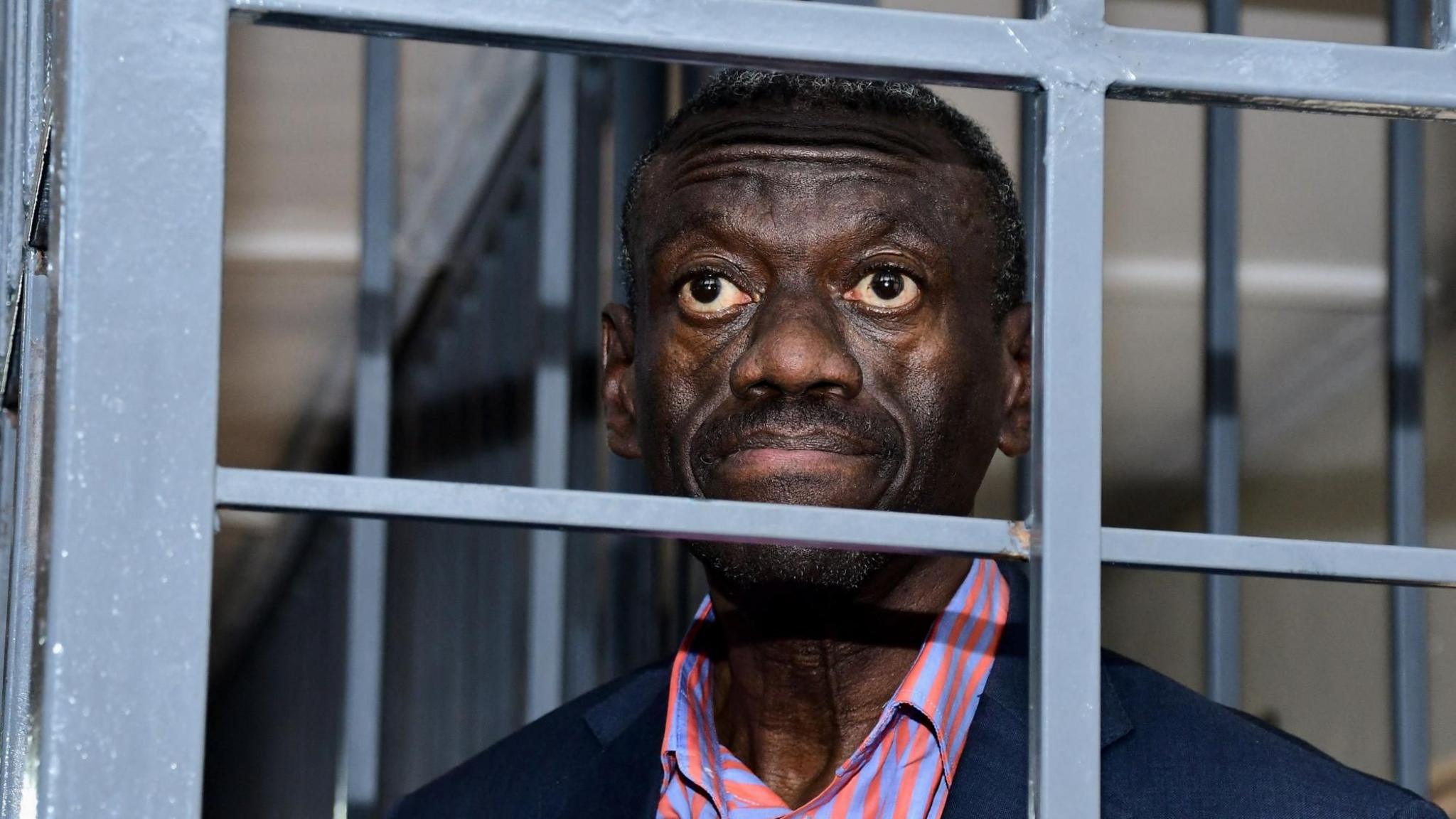
Kizza Besigye, the 70‑year‑old head of the Forum for Democratic Change (FDC), was found unconscious in the High Court in Kampala on Wednesday. He collapsed while testifying during his treason trial, a charge that could lead to a death sentence if he is found guilty.
Besigye’s wife, Winnie Byanyima, who directs the United Nations’ HIV/AIDS programme (UNAIDS), posted on X that the politician “is unconscious, unable to speak and unresponsive even to a pain stimulus.” She added that he rejects the government’s medical staff and wants his personal physician, his sister Olive, to attend to him.
The veteran opposition leader has been imprisoned since November 2024, when the government accused him and his aides of plotting to overthrow President Yoweri Museveni. His main lawyer, Erias Lukwago, was seized by the army last month, and the Kenyan human‑rights activist Martha Karua was barred from entering Uganda after arriving to represent Besigye.
After the incident, prison guards rushed Besigye to Mulago National Referral Hospital, the country’s largest public facility, where security forces stationed him in a heavily armed ICU ward. Reports say his sister medical‑doctor gained permission to see him last week.
Besigye’s family, the opposition and human‑rights organisations have called for his release on medical grounds, a plea that remains unanswered. In an open letter, Besigye’s son Adam Ampa urged President Museveni and army chief Gen Muhoozi Kainerugaba to show mercy and release his father.
The incident is not the first time Besigye has required medical attention while in detention. In February 2025 he was taken to a private clinic during a hunger strike, and earlier this year he had a brief hospital stay.
The case shines a light on the harsh treatment of opposition figures in Uganda and the potential violation of their basic rights. Besigye’s deteriorating health and the state’s refusal to allow private medical care have drawn criticism from the international community.