In brief
The Azerbaijani education ministry began enforcing a new uniform rule on September 21, banning clothing that contradicts secularism in state schools, which effectively bars hijabs. Students and activists protested outside schools in Baku and southern districts, leading to the detention of 37 people and the arrest of parents and teachers. The policy has triggered a diplomatic spat with Turkey, where lawmakers, religious groups and even the president’s adviser have condemned the ban, and small demonstrations have been held outside the Azerbaijani embassy in Ankara. As Azerbaijan juggles its close ties with both Turkey and Israel, the headscarf ban has become a flashpoint for regional power politics and domestic authoritarian controls over religious expression.
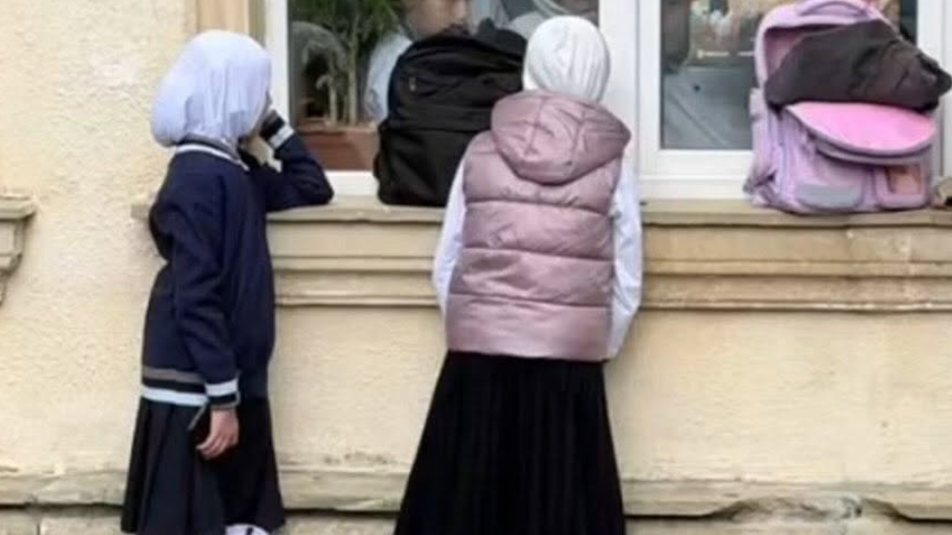
“You are telling me I can't come to school?” a teenage girl in a navy blue Islamic headscarf said to a staff member at the entrance to her school, captured on video and widely shared on social media. She was joined by other pupils wearing hijabs who listened as she asked why she should give up her religion.
On Monday, the education ministry began enforcing a new uniform policy that bans any clothing that “contradicts the principle of secularism in education” in state schools. While the text does not name the hijab, the ruling effectively bars it. Schools in Baku, Masally and Jalilabad witnessed the first protests, with students holding banners such as “The hijab does not prevent anyone from getting an education.”
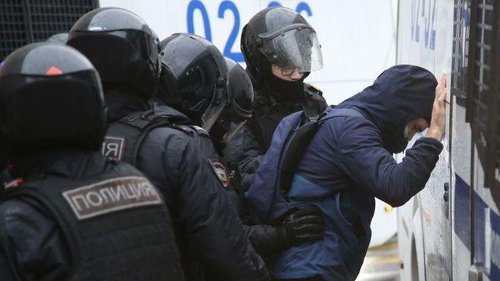
According to the interior ministry, 37 people were detained on Monday for trying to oppose the new rules and “grossly violating public order.” Students, parents and teachers have been arrested or warned that they may face prison if they do not remove the hijab from their children before school.
Azerbaijan’s constitution declares it a secular state, and the government insists it protects that principle. Yet the country is ruled by President Ilham Aliyev, who has been in power since 2003 and is known for suppressing dissent—many opposition politicians and independent journalists are currently imprisoned.
The ban has created a diplomatic flare‑up with Turkey, Azerbaijan’s closest ally to the north. Turkish religious groups, lawmakers and even the president’s adviser have criticised the policy. In Ankara and Istanbul, small demonstrations were staged outside the Azerbaijani embassy and consulate, with slogans calling the ban “unacceptable.”
Turkey’s reaction has added to a growing sense that the headscarf ruling is tied to broader geopolitical tensions. Some Turkish politicians linked the ban to Azerbaijan’s close ties with Israel, a relationship that has strained Turkish-Israeli relations because of the Gaza conflict. Azerbaijan, meanwhile, has tried to maintain diplomatic and trade links with both Israel and Turkey, a balancing act that has become more difficult after the headscarf dispute.
Inside Azerbaijan, activists have started alternative educational projects. An online platform called Let Leyli Go to School offers volunteer‑led classes for students barred from school, but the founder has been reported missing after security forces are suspected of detaining him. The government has also restricted access to social media platforms such as Instagram and TikTok without a virtual private network, limiting protest organization.
Despite the protests, Azerbaijani officials have defended the rule. A member of Parliament claimed that children do not choose to wear the hijab, and that it is a family decision. “A child has no freedom to choose a religion,” she said. President Aliyev has warned against foreign interference, declaring that no one should “stick their noses into our way of life.”