In brief
The 36‑year‑old Bollywood star survived a gun attack in the upscale Juhu district of Mumbai, a move that may have been orchestrated by the notorious Lawrence Bishnoi gang. With ten suspects arrested and money trails traced across states, investigators are still probing motives and the connection to actor Salman Khan. Historical ties between Mumbai’s underworld and the film industry surface, reminding viewers of a darker era when gangster financing shaped movies. Though modern gangs may target stars for fear‑mongering rather than control, the incident has reignited concerns over celebrity safety and illegal influence. The incident underscores how a single high‑profile attack can ripple across fandoms and expose a fragile industry’s vulnerability to organized crime.
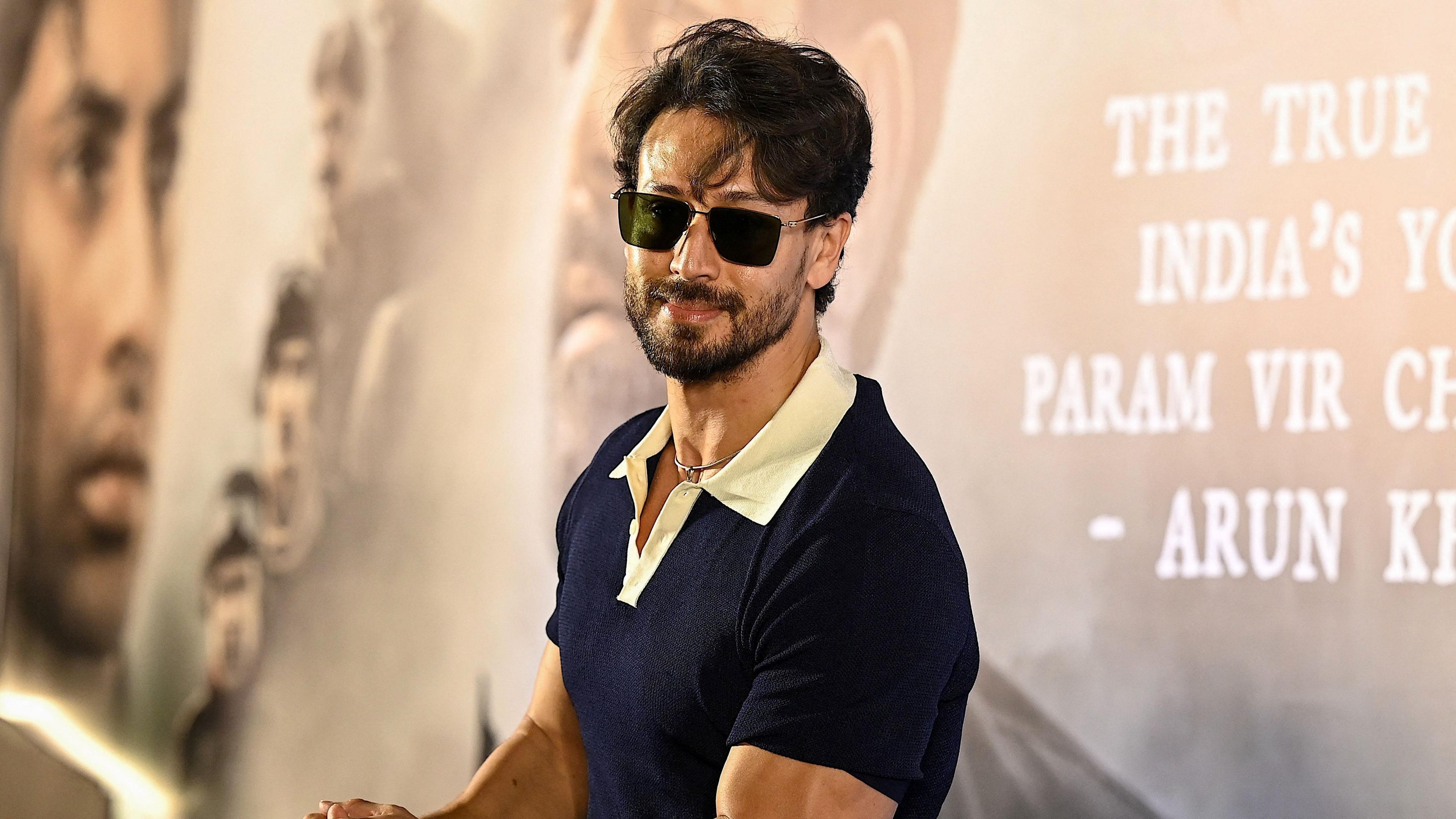
The sun‑lit dusk of Mumbai’s affluent Juhu district turned violent on Sunday evening when movie star Tiger Shroff was attacked by gunfire as he left the football pitch in a BMW. A driver and a nearby vlogger were wounded, while the actor himself survived after a bullet struck close to his leg.
Lawrence Bishnoi, a gangster with a storied history of mafia‑style threats against Bollywood luminaries, emerged as a prime suspect. Police released a screenshot of a social media post from a gang associate claiming responsibility, and an audio clip of a self‑identified “Anil Pandit” repeating the claim such that Shroff had been targeted because of ties to Salman Khan.
Investigators have detained or arrested ten suspects and are tracing alleged weapon deliveries that span several Indian states, as well as payments that might have funded the attack. Yet no formal evidence has yet tied the Bishnoi gang directly to the plot, and the police say they are still trying to determine the mastermind and true motive.
The attack echoes a spate of violent threats that have haunted Mumbai’s film industry in recent months – ranging from gunfire outside Salman Khan’s residence in 2024 to an attempted assassination on filmmaker Rohit Shetty’s house earlier this year. These events forced the city’s security architects to confront a new paradigm: gangster influence that no longer relies on physical control of studios or funding, but on the ability to spread terror and disrupt, simply by threatening a popular face.
During the 1990s and early 2000s, Mumbai’s underworld exerted formidable influence over Bollywood. Criminal financiers supplied large sums, stringent protection money was demanded, and petty violence was sometimes used to keep productions on a straight line. It was only after years of policing pressure and the gradual rise of institutional financing that the grip loosened, a fact noted by former crime‑branch head D Sivanandhan. “This is not the Mumbai mafia which we know in the last 60 years,” he told a press conference after the Shroff incident, indicating a structural change in the network’s modus operandi.
The new era, according to former Mumbai police commissioner Rakesh Maria, is ruled by a techno‑savvy, internationally‑connected cluster. “They no longer need to reside in the city to command it,” he noted. While the current violence may exploit social media for self‑promotion, it also highlights that a single shooting can inflict collective fear among thousands who follow the star’s life across devices.
In the wake of this attack, security around high‑profile residences such as Salman Khan’s and Rohit Shetty’s has been bolstered. The All Indian Cine Workers Association issued a call for greater protections for the industry’s talent, asking rhetorically, “Today it is Tiger Shroff. Who is next?” The exchange underscores that, regardless of the underworld’s shifting structure, the shadow of crime still haunts Bollywood in a vein of terror rather than direct control.