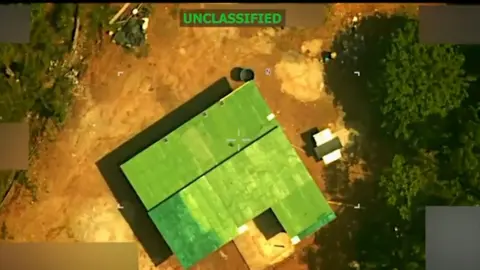
The U.S. military fired upon two individuals clinging to the debris of a drug boat off the coast of Venezuela, prompting intense scrutiny from Congress over the legality of such actions. Reports indicate that the military has conducted over 22 attacks against vessels suspected of drug trafficking, raising ethical concerns around the rules of engagement that govern the use of lethal force.
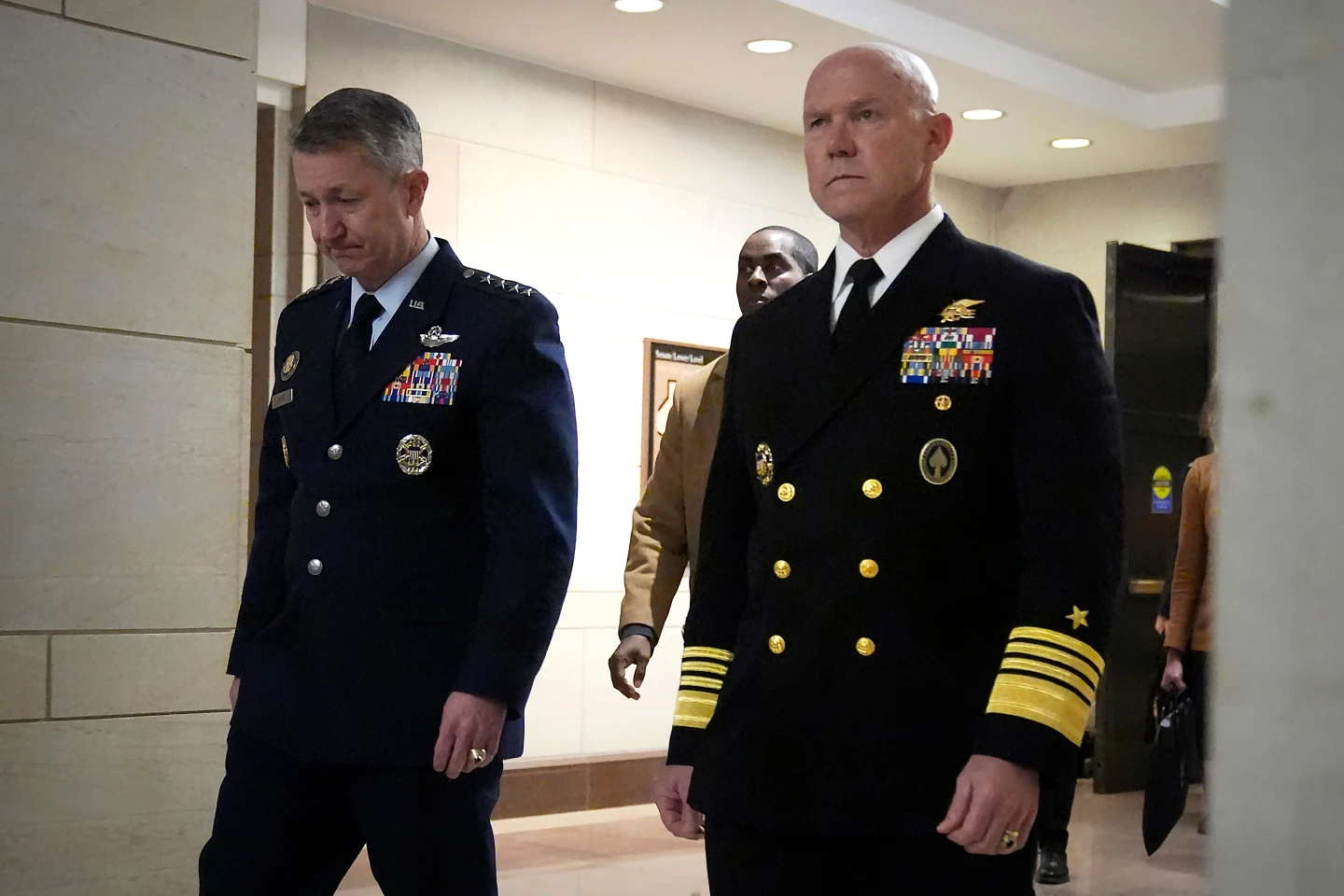
During a recent briefing, Navy Admiral Frank Mitch Bradley disclosed that he ordered a second strike on the wreckage under the assumption that cocaine bales remained onboard. This decision has stirred significant debate among lawmakers, as Democrats express alarm over potential violations of international law and human rights protections in military engagement.
Amid mounting pressure, the rationale for viewing drug traffickers as terrorist threats under current U.S. policies is being challenged, highlighting a fundamental shift in the operational response to drug smuggling. Lawmakers are calling for transparency in the legal frameworks that justify military actions in drug enforcement operations, particularly since the Trump administration has not received explicit Congressional authorization.
The matter raises broader implications for U.S.-Venezuela relations and the legal grounds for military actions that have traditionally been managed by law enforcement agencies. As the investigation unfolds, the true scope of U.S. military operations in combating drug trafficking remains a pivotal point of concern for both Congress and the international community.
During a recent briefing, Navy Admiral Frank Mitch Bradley disclosed that he ordered a second strike on the wreckage under the assumption that cocaine bales remained onboard. This decision has stirred significant debate among lawmakers, as Democrats express alarm over potential violations of international law and human rights protections in military engagement.
Amid mounting pressure, the rationale for viewing drug traffickers as terrorist threats under current U.S. policies is being challenged, highlighting a fundamental shift in the operational response to drug smuggling. Lawmakers are calling for transparency in the legal frameworks that justify military actions in drug enforcement operations, particularly since the Trump administration has not received explicit Congressional authorization.
The matter raises broader implications for U.S.-Venezuela relations and the legal grounds for military actions that have traditionally been managed by law enforcement agencies. As the investigation unfolds, the true scope of U.S. military operations in combating drug trafficking remains a pivotal point of concern for both Congress and the international community.