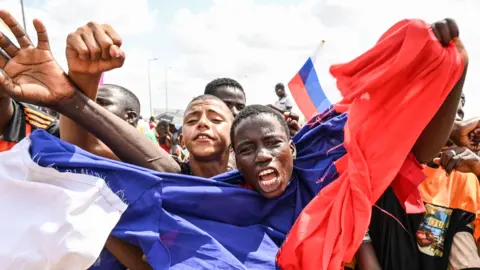
The US has declared a stark policy shift towards three West African countries which are battling Islamist insurgents and whose military governments have broken defence ties with France and turned towards Russia. The state department announced that Nick Checker, head of its Bureau of African Affairs, would visit Mali's capital Bamako to convey the United States' 'respect for Mali's sovereignty' and chart a 'new course' in relations, moving 'past policy missteps'. It adds that the US also looks forward to co-operating with Mali's allies, neighbouring Burkina Faso and Niger, 'on shared security and economic interests'. Absent from the agenda is the longstanding American concern for democracy and human rights. The Biden administration had halted military co-operation after coups deposed the elected civilian presidents of all three countries between 2020 and 2023, with Niger's Mohamed Bazoum still locked up in his own residence. The US statement makes explicit a radical change in policy that had become increasingly evident over the 12 months since Donald Trump returned to the White House. This shift started with the shuttering of USAID – a key provider of development support to the region – days after the president was sworn in for a new term.
US Shifts Strategy: Engaging West African Juntas Amid Growing Russian Influence
US Shifts Strategy: Engaging West African Juntas Amid Growing Russian Influence
The US aims to recalibrate its approach to West African nations as they strengthen ties with Russia, following a series of military coups and increased threats from jihadist groups.
In a significant policy shift, the US is moving to engage with the military governments of Mali, Burkina Faso, and Niger as these countries pivot toward Russia for security support. This change comes amid growing concerns over Islamist insurgency in the region, prompting American officials to communicate respect for these nations' sovereignty while sidelining past issues regarding democracy and human rights.