USMCA Review Hits 1 July Deadline, but Talks Likely to Continue
A decisive moment in North‑American trade circles in the making.
For the third time, the U.S., Canada and Mexico meet the 10‑year clock on the U.S.‑M.C.A. (USMCA), the successor to NAFTA, which underpins nearly $1.6 trillion of annual trade across the continent. The formal review was scheduled for the summer of 2026, but the current round of talks is set to extend beyond the official July 1 deadline.
Expect the 1 July Deadline to Come and Go
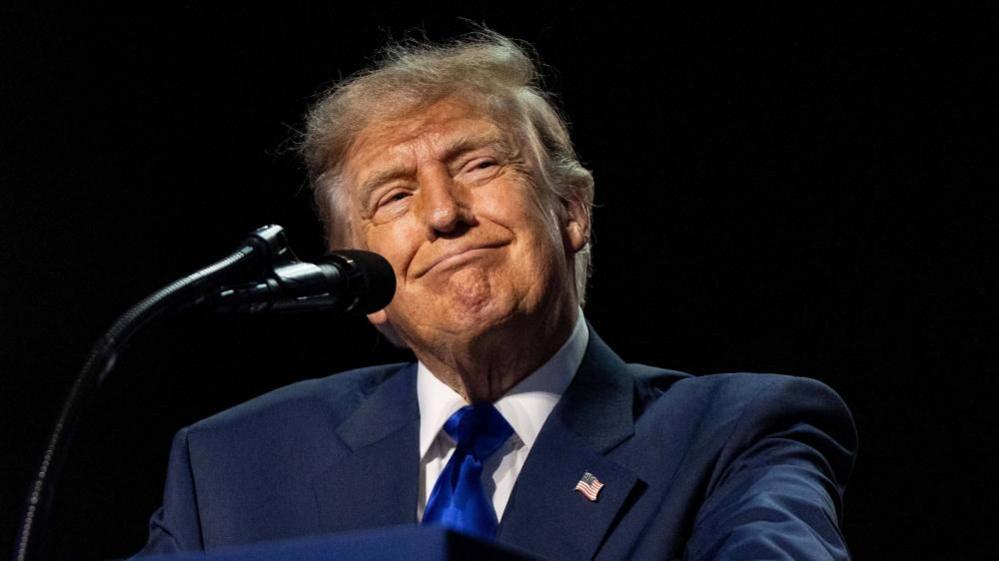
The latest dialogue has not yet produced a definitive outcome. Canada and Mexico have both signalled wants for a renewal, yet the United States has not declared a definitive position. President Donald Trump recently remarked that the USMCA could be “expiring immediately”, suggesting the U.S. might walk away without agreeing to a fresh pact.
Trump’s comments come after a series of tariff escalations that have complicated the bilateral relationships. The original USMCA, negotiated under the first Obama‑Trump year, set aside the old NAFTA, offering Canada and Mexico a shield against most U.S. tariffs thanks to a temporary exemption that has since lapsed.
What Is Stopping a Deal From Being Reached?
Since the review began earlier this year, the U.S. has held different rounds of talks with both Canada and Mexico, tackling a wide range of trade irritants. Canada is reportedly presenting proposals to ease U.S. concerns, but key demands remain: greater access to the Canadian dairy market, the removal of tax deductions on big U.S. streaming firms and a reversal of provincial anti‑tariff boycotts against U.S. alcohol.
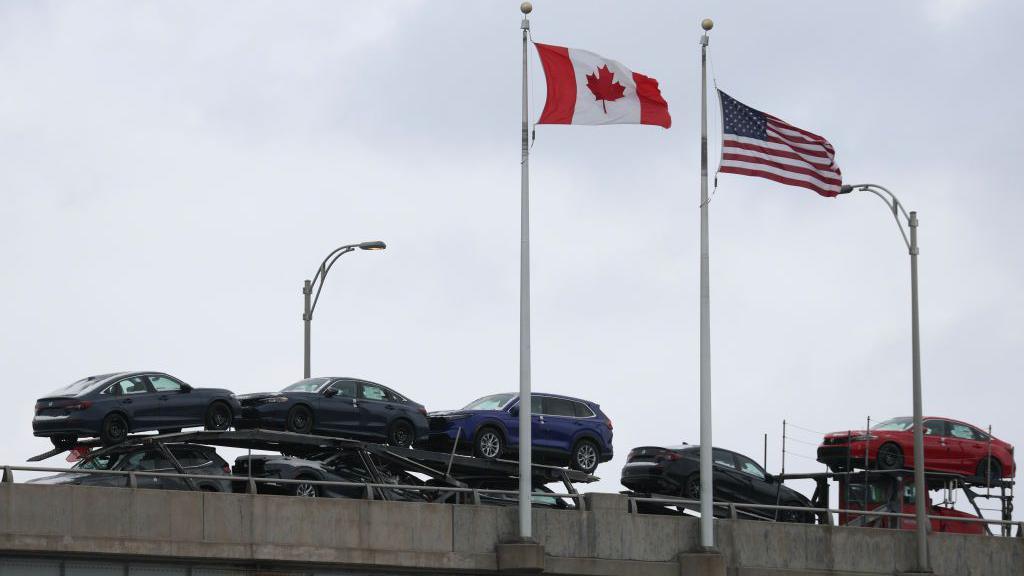
In parallel, rigid “rules of origin” for North‑American vehicles are under scrutiny, with Mexico demanding tighter standards. Such demands could lead the U.S. to negotiate similar conditions with Canada given the cross‑border auto industry’s integration.
What Happens If the 1 July Milestone Is Missed?
In the absence of a renewal, the existing USMCA will simply survive until its sunset in 2036. Under this scenario, the three countries have three possible courses of action:
- All three could agree to an extension of sixteen years, setting a new expiry for 2042.
- If consensus fails, annual reviews would resume until the agreement expires.
- Any one party could formally withdraw, giving the others a six‑month notice period.
Business leaders in Canada and Mexico see an outright withdrawal as unlikely; the consensus points more towards an extended review process, though uncertainty would still loom over exporters. The final decision ultimately rests with the U.S. president, who has at times said he is not looking to renew the pact but remains “open” to staying in it.
Interactive Overview: See how trade flows move across the continent in the embedded timeline below.