In brief
In the wake of increasing Islamophobia, thousands gathered in Lakemba, Sydney to celebrate Eid with a community Iftar. Despite the somber atmosphere created by the rising threat of Islamophobic attacks, community leaders emphasized the importance of unity during challenging times. Incidents of hate towards Muslims have surged significantly, coinciding with global events, highlighting ongoing tensions within Australia's diverse society.
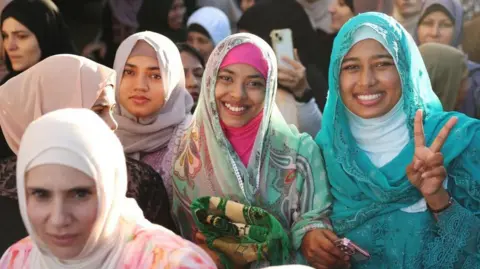
As sunset approached in the south-western Sydney suburb of Lakemba last week, the street outside the Imam Ali bin Abi Taleb Mosque filled with thousands of people, gathered primarily for a community Iftar marking the end of daily fasting during Ramadan.
Divided into sections marked by buffet stations designated 'women' and 'men', families brought out boxes of dates to share as they broke their fast together. Yet, despite this communal celebration, fears permeated the event atmosphere, illustrated by the presence of a police surveillance trailer monitoring potential threats.
Islamophobia has surged in Australia, with reported attacks on Muslims increasing by 636% since the outbreak of conflict involving Hamas and Israel on October 7, 2023. An average of 18 incidents of Islamophobic behavior occur weekly, igniting serious concerns within the Muslim community. Gamel Kheir, secretary of the Lebanese Muslim Association and organizer of the community Iftar, expressed the urgency for unity: If ever there was a need for communities to come together and break bread, I would say this year is more important than ever.
Leaders warn that these numbers could be an underrepresentation of the issue, with many opting not to report incidents out of fear. The sentiments were palpable during recent visits by Prime Minister Anthony Albanese and Home Affairs Minister Tony Burke to the Lakemba mosque, where worshippers voiced their discontent with the government’s handling of the situation amidst rising antisemitic attacks as well.
While Lakemba is known for its vibrant Muslim community, the increasing incidents of racial abuse and threats reflect deeper issues of societal integration in Australia—raising alarms about the wellbeing of its multicultural identity.
As Eid celebrations concluded in Lakemba, the resilient spirit of the community shone through despite fears, highlighting the importance of standing together amidst adversity.