Typhoon Dolphin struck Japan’s southern island of Okinawa, causing power outages in at least 44,000 buildings and leaving five elderly residents with non‑life‑threatening injuries.
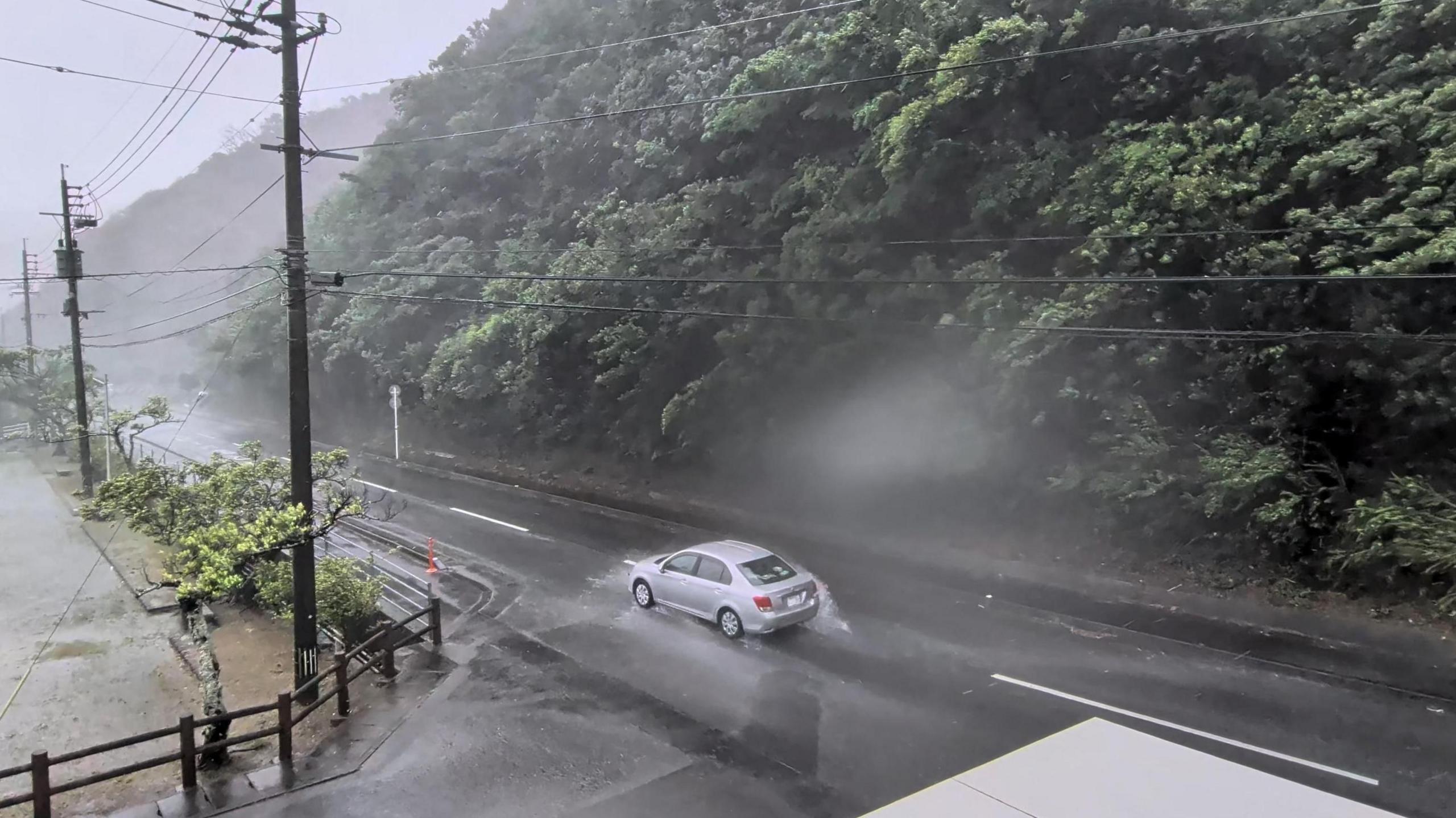
Flights in and out of Naha International Airport were cancelled after the airport closed on Friday as the storm barreled through the region. The typhoon’s peak gusts reached 162 km/h (101 mph) and the Japan Meteorological Agency labeled it a "very strong" typhoon, citing high waves, storm surges and a lightning threat.
Witnesses in Nago city report uprooted trees, an overturned car leaking oil, and a sprawled sandstorm. Authorities in the local prefecture have urged residents to stay indoors and secure loose objects.
Across the sea, China’s Zhejiang province has halted all flights at 23:30 local time (15:30 GMT) on Saturday and suspended operations on Sunday. The province has placed a coastal typhoon alert at its highest level and shut all port and ferry services to prepare for the approaching storm.
Experts point to an unusually strong El Niño year, which may create more intense typhoons. In a typical season, about 25 tropical storm‑strength cyclones form in the western Pacific, with roughly three making landfall in Japan; some of those – like Dolphin – reach typhoon force.
While the Atlantic and eastern Pacific use the term “hurricane” for these storms, the northwest Pacific region uses “typhoon” to describe such powerful weather events.