In brief
China this week announced the biggest ever vehicle recall, targeting over four million cars—mostly Teslas—with hidden door handles that could impede emergency exits. The recall arrives just before new regulations demanding mechanical release switches on both inside and outside doors take effect in 2027. Engineers and safety experts argue that even subtle design choices can delay escape or rescue after a crash, prompting scrutiny in the US and Europe. The move has spurred calls for global harmonisation of safety standards and the inclusion of emergency door systems in all vehicles.
Hidden door handles under scrutiny
Chinese regulators have announced a nationwide recall that will affect more than four million cars, most of them Teslas, whose door handles do not reveal clearly enough when the car’s electrical system is disabled.
The move comes months before new rules, slated to take effect on 1 January 2027, that will outlaw vehicles lacking a mechanical release on both the inside and outside of each door.
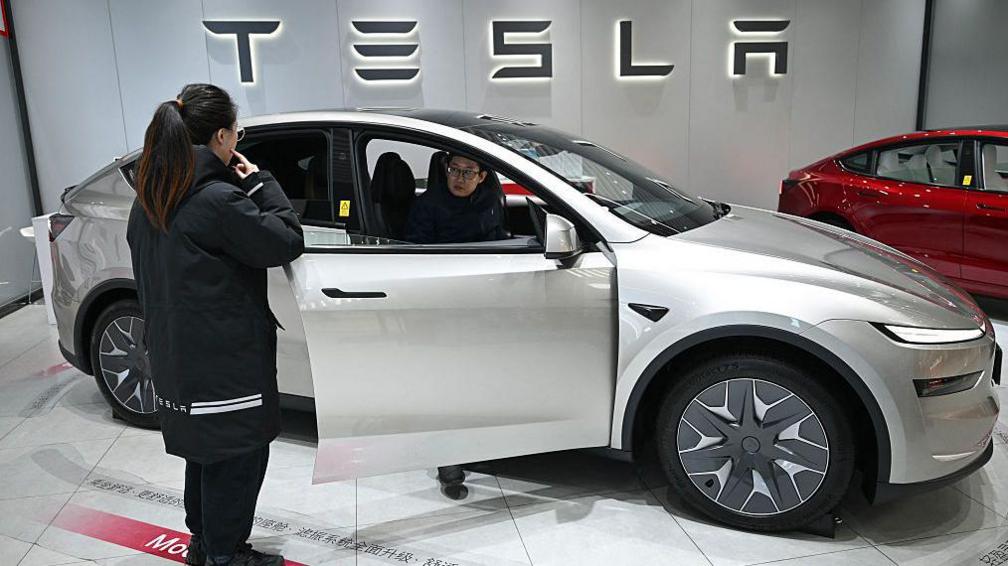
Manufacturers point out that hidden or ‘retracted’ door handles are common in modern electric vehicles to give a sleek appearance and reduce drag, but critics say the designs can trap occupants when power fails or a collision stops the power‑train.
In 2025, two fatal crashes involving a Xiaomi SU7 sedan were linked to suspected electrical failures that left passengers unable to unlock the doors. The company claimed emergency mechanical releases were present, but the incidents highlighted risks associated with power‑dependent systems.

Tesla is not only recalling millions of Model S and Model 3 cars in China but also faces lawsuits in the United States over its Cybertruck design, where electronic door locks failed in a 2024 crash that killed three students. The company denied wrongdoing and cited compliance with U.S. safety standards.
Expert engineers warn that simply adding warning labels inside doors does not solve the core problem: an inability to open a vehicle when power is lost. They argue that rescue teams must also be able to gain entry quickly during emergencies.
Regulatory bodies in the United States and Europe are now reviewing proposals to mandate emergency door‑exit systems and more stringent testing for concealed handles. A common requirement emerging across jurisdictions is the guarantee of a reliable mechanical release, independent of the car’s electrical supply.
As global EV sales surge, the safety implications of design choices that were once considered cosmetic are becoming central to industry standards and public trust. The outcome of China’s recall may set a precedent worldwide, reshaping how manufacturers approach door design in future models.