In brief
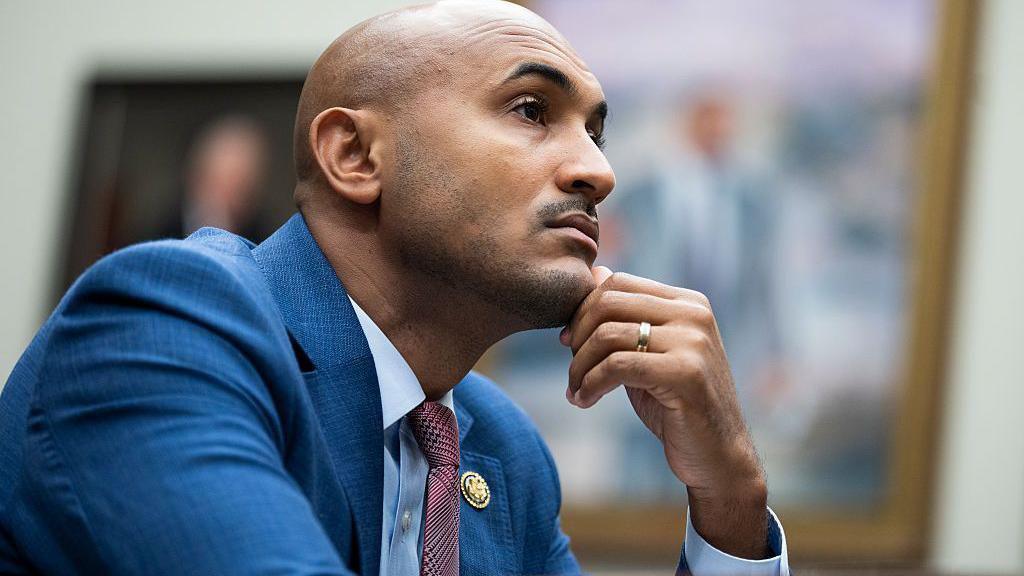
Shomari Figures, Tuskegee’s first Black congressman, won a seat with federal funds promised for community projects and a new civic centre. The U.S. Supreme Court’s April ruling stripped a key voting‑rights protection, forcing Alabama to redraw congressional lines and dilute Black voters’ influence. Figures now faces a potentially hostile, mostly white district in the November mid‑term, while Tuskegee’s residents worry about lost federal support for hospitals, fire services and schools.
When the U.S. Supreme Court struck down a provision of the 1965 Voting Rights Act that protected minority‑led districts in Alabama, it sent shockwaves through a town that had been a symbol of civil‑rights struggle—Tuskegee.
Shomari Figures, the first Black‑born Alabama resident to sit in the House, was elected in 2024 with promises of federal money for a new civic centre, a hybrid police‑fire building and upgrades to the town’s one‑and‑only hospital. The money had already been secured in 2025, but a new district map—now composed largely of predominantly white voters—threatens to shift the political balance against him.
In the weeks since the ruling, Tuskegee’s fire department, which lacks a proper building and operates out of a shuttered motel, and the local hospital, which does not have an MRI machine, have struggled to meet community needs. Figures’ congressional earmark helped bring $500,000 in MRI equipment to the hospital, a development that local residents see as a direct benefit of his representation.
A senior fire‑department captain warned that the town’s residents depend on federal aid for basic services and that the Supreme Court’s decision undermines that support. Mayor Chris Lee has urged the state to keep the district in its current form, saying the town’s future relies on federal funding tied to the new seat.
The court’s decision, adjusting the map to contain only one majority‑minority district, gives Republican candidates a clearer path into office. The likely Republican contender, State Representative Rhett Marques, has secured high‑profile endorsements and promises to reshape the district’s services.
Local activists, such as civil‑rights lawyer Joe Reed of Montgomery, warn that the ruling “undoes the progress made by the Voting Rights Act” and could rebrand the district as a new form of Jim Crow. Loretta “Coach” Mayor Lee expressed that the change threatens “the fabric of our community” and could jeopardize the benefits that Figures’ campaign secured.

As residents prepare for the November election, the stakes go beyond a political race; it’s about who will continue to advocate for rural hospitals, emergency services, and civil‑rights progress in a town that has long stood at the crossroads of history and future. Figures retains the backing of some, but the rest of the district may open the door to a more partisan, law‑driven governance that could curtail the community’s gains.