In brief
In a surge of civic mobilisation, Arab students in Nazareth are handing out leaflets to urge voters to turn out ahead of Israel’s general election. Opinion polls show Israel’s two major coalitions—Netanyahu’s right‑wing bloc and Gadi Eisenkot’s centre‑right bloc—are neck‑and‑neck, leaving Arab parties with a decisive swing vote. The election follows the October 7 Hamas attack and subsequent war, intensifying distrust and accusations that the state treats Arab citizens as a threat. While many Arab voters describe themselves as Palestinian citizens, they demand equal rights and representation; their turnout could shape the future of Israel’s political landscape.
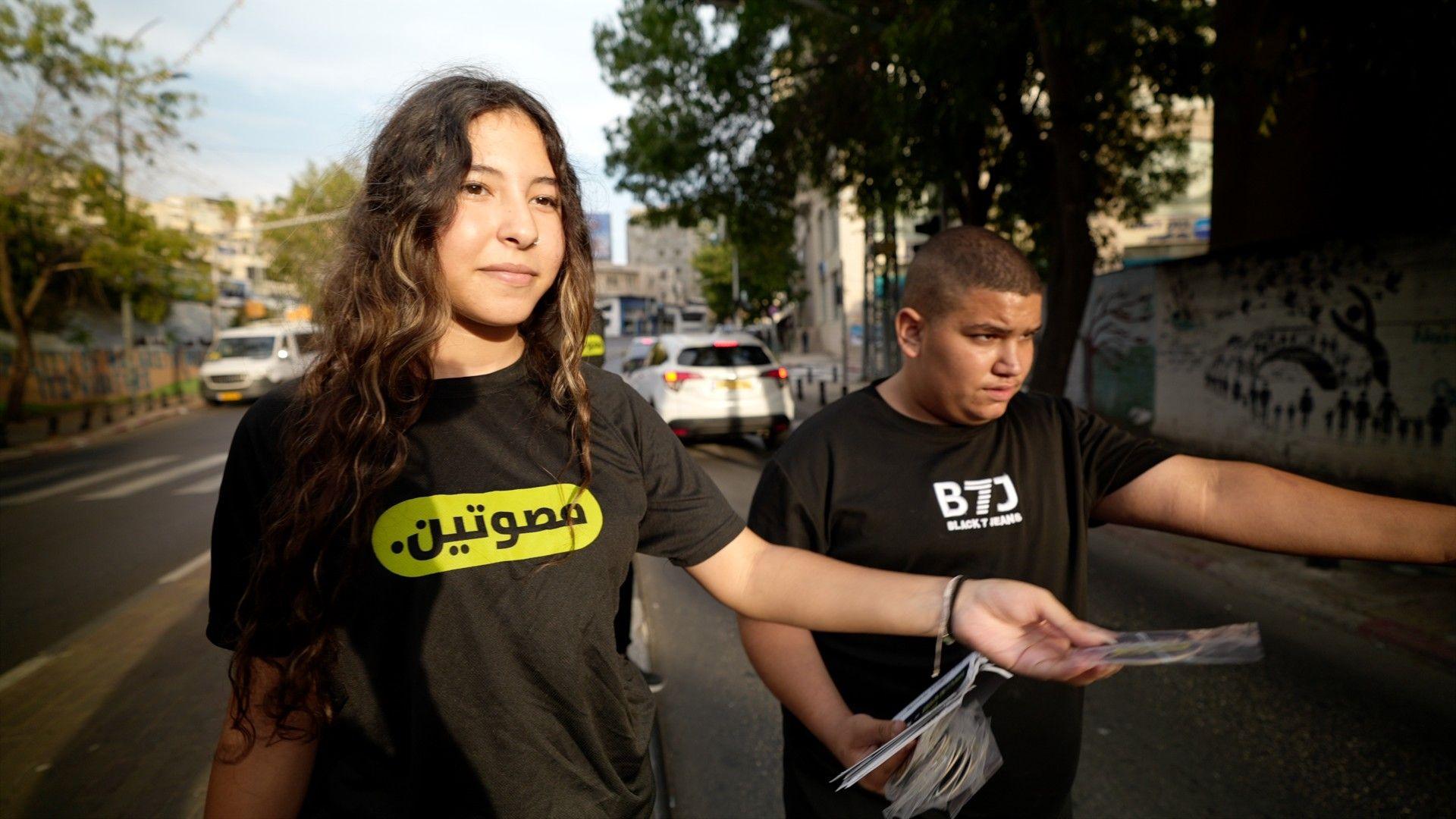
At rush hour in Nazareth, the city’s largest Arab‑majority area, students line the roads handing out leaflets urging motorists to vote in next week’s close‑fought general election.
Voters who identify as Palestinian citizens of Israel have historically turned out at lower rates, but this election sees a renewed push to oust the coalition headed by former Prime Minister Benjamin Netanyahu and his far‑right and ultra‑Orthodox allies.
"I see it as our duty to bring down this extremist government. They treat us as second‑class," says 23‑year‑old activist Arkan Badran, who is part of the leaf‑letting team.
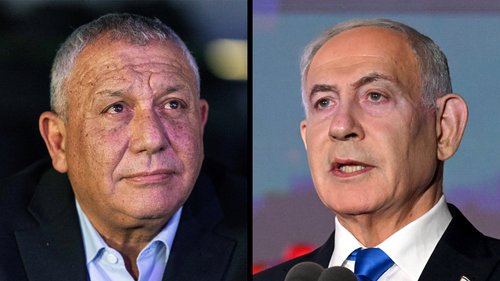
Opinion polls indicate that neither Netanyahu’s bloc nor the Change Bloc, led by former military chief Gadi Eisenkot, have a clear majority. If neither side can secure 61 seats out of 120, the 13 or 14 seats held by Arab‑majority lists could decide who sits in the cabinet.
The Muslim‑American‑born Association, the United Arab List and the joint coalition of Hadash, Balad and Ta’al are among the groups that may turn a swing vote into a ministerial post. Despite their refusal to support Netanyahu, these parties remain open to alliances with alternative coalitions, a stance Eisenkot has so far rejected.
The war following Hamas’s October 7 assault has deepened suspicion of Arab minorities, with some government ministers accused of systemic discrimination and incitement. Civil‑society groups claim budgets for Arab communities have been cut in response to security spending demands.
Alongside political rhetoric, the day‑to‑day reality for Arab Israelis is marred by gang violence. A recent poll found that 53.5% of Arab voters said reducing crime would be the most important factor in deciding where to cast their ballots. In 2025, 252 murders were recorded in Arab communities—about five times the number of Jewish Israelis killed that year.
With the Supreme Court recently overruling disqualification of Arab parties, the short window before voting gives parties an opportunity to rally support. Car windows in Nazareth display party flags, and youths rally at junctions, illustrating the heightened stakes for Arab citizens, who view the election as a critical step toward equality and national inclusion.