In brief
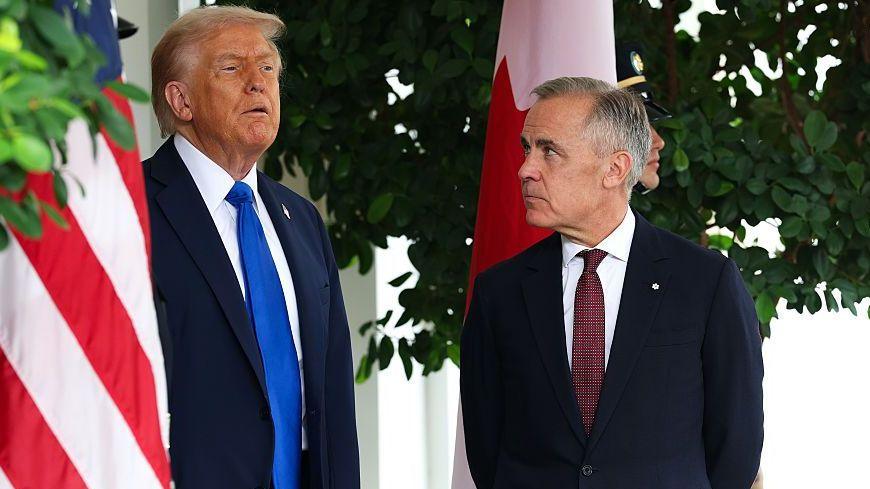
In a series of executive orders, President Trump announced a ban on Canadian imports of alcohol, dairy and motor vehicles effective 29 September, following Canada’s retaliatory tariffs on American goods. Canada’s Prime Minister Mark Carney warned that the shift away from the U.S. would come at a cost, but no new talks are scheduled after negotiations collapsed in August. The U.S. had already imposed 50 % tariffs on $20 bn of Canadian products. The dispute now also includes symbolic actions such as the renaming of Lake Ontario, and tensions are expected to grow.
The U.S. has imposed a ban on Canadian goods—including alcohol, dairy, and motor vehicles—as Canada’s retaliatory tariffs on American products take effect.
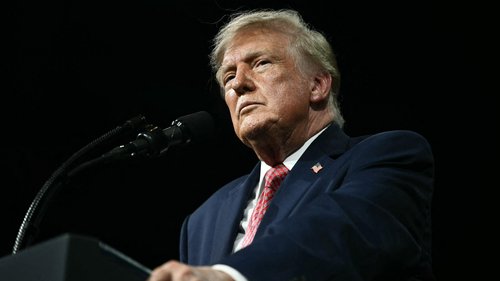
In a series of executive orders issued Tuesday, President Donald Trump wrote that “Canada is discriminating in fact against the commerce of the United States,” and ordered the import ban to begin 29 September.
Earlier that day, Prime Minister Mark Carney released a video address warning that Canada’s pivot away from the U.S., its largest trading partner, will come at a cost.
Both U.S. and Canadian officials have expressed a desire to strike a deal, but no new talks have been scheduled since negotiations collapsed in late August.
Last month, the White House imposed 50 % tariffs on roughly $20 bn (£14.8 bn) of Canadian goods following failed talks.
Canada responded with dollar‑for‑dollar retaliatory tariffs on U.S. goods such as steel, clothing and furniture, which became effective after midnight on Tuesday.
The tension between the two nations has also expanded beyond tariffs. In August, President Trump ordered Lake Ontario to be renamed as Lake America, provoking uproar from Canadians and some Americans.
This breaking news story is being updated and more details will be published shortly. Please refresh the page for the fullest version.
You can receive Breaking News on a smartphone or tablet via the BBC News App. You can also follow @BBCBreaking on X to get the latest alerts.