Amid the many questions swirling since last weekend's dramatic events in Caracas – and there are many – one that refuses to go away centres on the bespectacled woman now leading what US officials are calling Venezuela's 'interim authorities.'
Why Delcy?
What is it about Delcy Rodríguez, daughter of a former Marxist guerilla and deputy to ousted dictator Nicolás Maduro, that has caught the eye of the Trump administration?
And why has Washington decided on an avowed 'Chavista' revolutionary to stay in power, rather than backing the opposition leader, María Corina Machado, whose opposition movement is widely believed to have won the 2024 presidential elections?
The answer, according to one former US ambassador to Venezuela, is simple.
They've gone for stability over democracy, says Charles Shapiro, who served as George W. Bush's ambassador in Caracas from 2002-04.
They've kept the dictatorial regime in place without the dictator. The henchmen are still there. I think it's risky as hell.
But the alternative, involving wholesale regime change and backing Machado's opposition movement, would have involved other dangers, including potential infighting among opposition figures and the alienation of those Venezuelans – perhaps as many as 30% – who voted for Maduro.
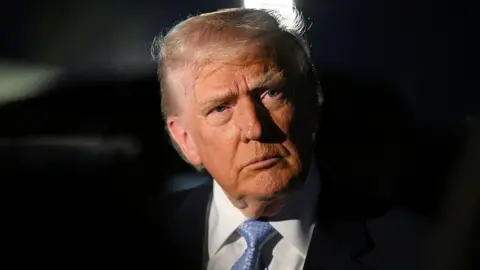
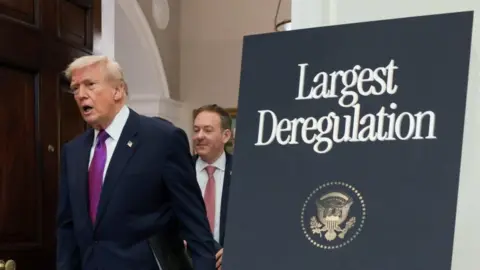
Trump's press conference on Saturday shocked many observers. He dismissed Machado as 'not respected' inside Venezuela, while describing Rodríguez as 'gracious.' This move has raised eyebrows and concerns among political analysts and former diplomats.
Former deputy chief of mission at the US embassy in Caracas, Kevin Whitaker, remarked, Her movement was massively elected…and so disqualifying Machado, in effect, disqualified that whole movement.
The quick appointment of Rodríguez led some to speculate that there were high-level discussions prior to Maduro's ousting, with some suggesting Rodríguez might have been involved in more than just a ceremonial capacity.
However, analysts caution against conspiracy theories, noting that significant power still lies with Maduro's loyal military allies, raising concerns over Rodríguez's true influence.
Given warnings about the instability linked to installing Machado, US officials believe their decision could help maintain order in a volatile environment.
Despite the challenges, analysts like Henry Ziemer view Rodríguez's potential to communicate with US interests favorably, particularly in reviving Venezuela's oil industry and counter-narcotics efforts. Yet, the long-term outlook for democracy and stability remains uncertain.
The Trump administration's stance underscores a pragmatic but controversial approach, emphasizing immediate concerns over the upheaval of an entrenched regime. However, as several experts have articulated, the broader implications for ordinary Venezuelans and the existing political landscape will need careful navigation.