In brief
U.S. President Donald Trump has imposed a 15% tariff and minimum import price on polysilicon, a core component of semiconductor and solar panel production. The move follows a national security investigation that revealed China’s dominance in this critical material, which has severely weakened U.S. manufacturing. China’s embassy warned the tariff would disrupt trade and threaten Chinese firms, while Washington said it would boost domestic production. Analysts say the policy could benefit American producers such as Hemlock Semiconductor and Wacker Chemie, and marks the latest escalation in the US‑China tech rivalry. The tariff is set to take effect in December, with the U.S. also planning incentives to increase local polysilicon output.
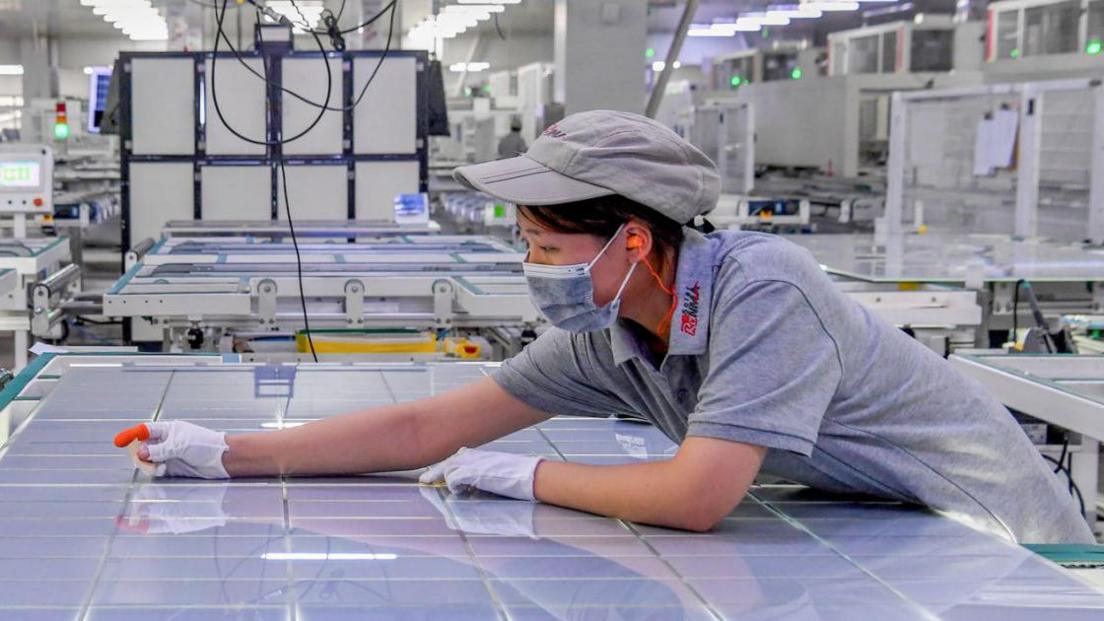
President Donald Trump signed an executive order on Thursday that imposes a 15% tariff and sets minimum import prices for polysilicon—the key material used in semiconductor chips and solar panels.
\The order follows a national security investigation into overseas production, aimed at safeguarding American manufacturing from China’s growing dominance in polysilicon supply.
\China’s embassy in Washington warned the tariff would seriously disrupt trade between the U.S. and China and that Beijing would counteract to protect its companies. Washington, meanwhile, argues the measure is a necessary step to preserve jobs and competitiveness in a critical industry.
\Trump cited the recommendation of Commerce Secretary Howard Lutnick to set a minimum import price and a 15% duty, pointing out that U.S. share of global polysilicon production has fallen from 50% in 2005 to under 2% by 2024 due to foreign competition.
\The tariff is slated to take effect in December, and the administration will also offer incentives to boost domestic polysilicon production, potentially benefiting firms like Hemlock Semiconductor and Wacker Chemie.
\Polysilicon is central to the race for artificial intelligence, positioning U.S. and Chinese companies in a high‑stakes technology dispute. The tariff comes at a time when U.S.‑China trade tensions, including a broader tit‑for‑tat sarcas, have been largely frozen since May 2025.
\Chinese state media reported that the new duty represents a further escalation in Washington’s efforts to limit China’s role in critical technology supply chains, following prior restrictions on drones, humanoid robots and other tech products.
\In response, China announced enhanced export controls on drones and a national security review of imported printers and copiers, underscoring the growing protectionist trend in bilateral trade.
\