In brief
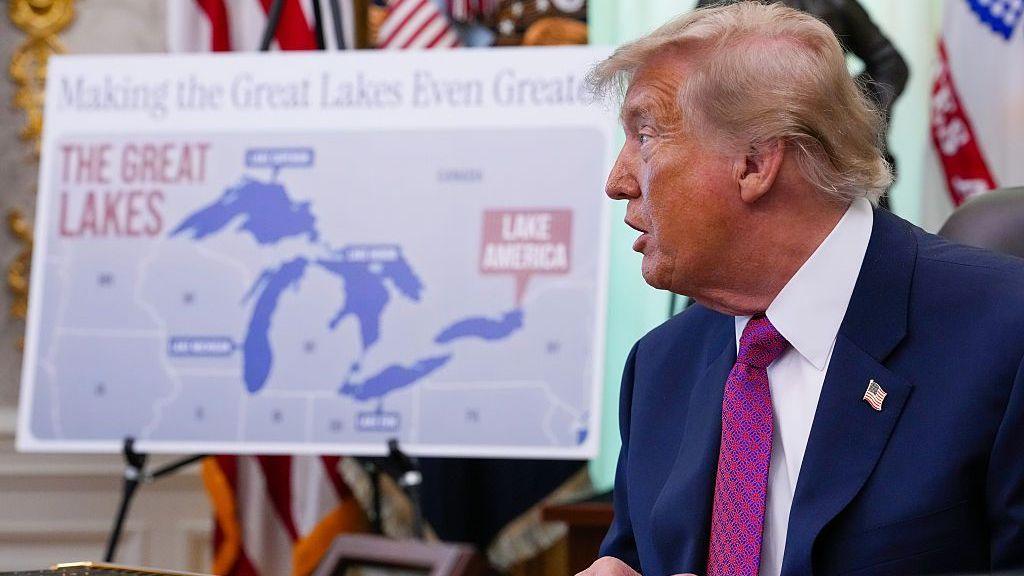
Donald Trump signed an executive order demanding that Lake Ontario be renamed Lake America. Apple and Google have begun to adjust their maps for U.S. users, while Canadian services remain unchanged. A Canadian electric‑utility apologised for mistakenly displaying the new name, and provincial officials erected a sign defending the traditional name. The renaming comes amid trade tensions between the United States and Canada and reflects the President’s broader effort to influence regional symbols.
US President Donald Trump has urged tech firm Apple to rename Lake Ontario as Lake America on its Maps platform, following an executive order that reclaims the Great Lakes’ names. Interior Secretary Doug Burgum confirmed that the President had reached out to Apple directly and that the update is expected soon.
Apple is not the only mapping service to adjust. Google updated its US‑based maps over the weekend. However, Canadian users continue to see the lake as Lake Ontario, and overseas users receive a hybrid label: “Lake Ontario (Lake America).” MapQuest, another long‑standing free web‑mapping service, chose not to change the name and instead offered users a custom‑labeling tool.
The proposed renaming has sparked controversy in Canada. Hydro One, a Toronto‑based utility, publicly apologised after its maps occasionally displayed the new name due to a third‑party mapping service. The company said it is working to correct the issue and restore the traditional name. Other Ontario agencies, such as Hydro Ottawa and the Liquor Board of Ontario, also briefly showed Lake America on their maps.
This move comes as trade talks between the United States and Canada hit a snag. Ontario Premier Doug Ford erected a large sign along the lake’s shore proclaiming “Lake Ontario Now and Always” in both English and French. Ford told a U.S. television host, “No one's going to call it Lake of America. It’s been Lake Ontario for centuries and it will remain so.”
The names of four of the Great Lakes—Ontario, Huron, Michigan and Erie—originate from indigenous words, adding another layer of cultural significance to the dispute.