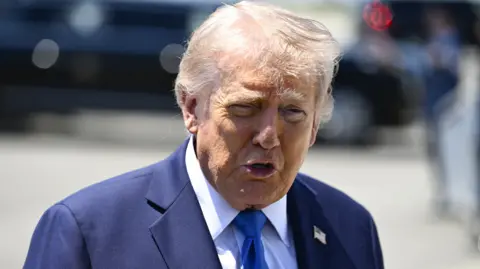
Donald Trump cancelled a planned trip by US officials to Pakistan for talks on the Iran war on Saturday, shortly after Tehran's delegation had left Islamabad. The US president stated that special envoy Steve Witkoff and son-in-law Jared Kushner would be wasting too much time, asserting that if Iran wanted to talk, all they have to do is call.
Earlier, Iranian Foreign Minister Abbas Aragchi held discussions with Pakistan, who acted as a mediator, where he shared Iran's position on ending the war but expressed uncertainty about the US's genuine commitment to diplomacy.
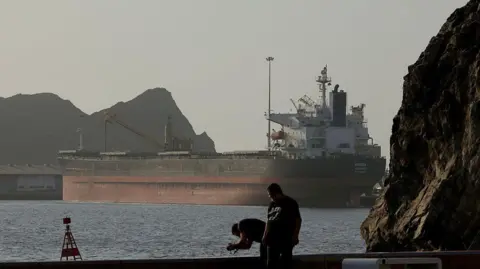
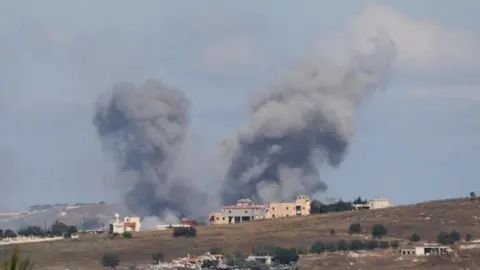
Diplomatic efforts have hit a standstill despite Trump's extension of a ceasefire aimed at fostering discussions. Both countries remain in a deadlock concerning the critical Strait of Hormuz, which Iran has restricted passage through, amid ongoing US and Israeli military actions since February, alongside disputes over Tehran's nuclear ambitions.
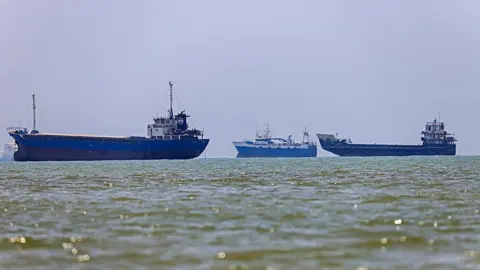
The US has ramped up its naval presence in the strait, a vital route for approximately 20% of the world's oil supply, to curb Iranian oil exports. The White House previously indicated that the Iranian side was eager for negotiations when the trip was announced, but Iran clarified there were no plans for direct discussions.
Despite the cancellation of the US trip, Trump's comments suggest that the ceasefire will remain in place, although hopes for further face-to-face discussions seemed to diminish. Axios inquired whether the halted American trip implied a resumption of hostilities, to which Trump replied, No, it doesn't mean that. We haven't thought about it yet.
Upon announcing the cancellation, Trump remarked on the tremendous infighting and confusion prevalent within Iran's leadership and claimed that nobody knows who is in charge, including them. He declared on his Truth Social platform: Also, we have all the cards, they have none! If they want to talk, all they have to do is call!!!
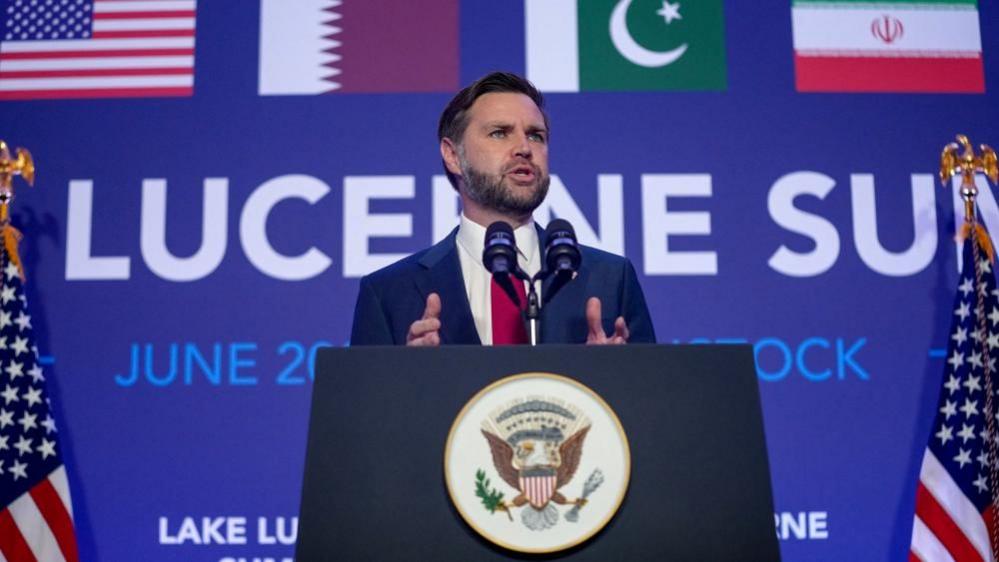
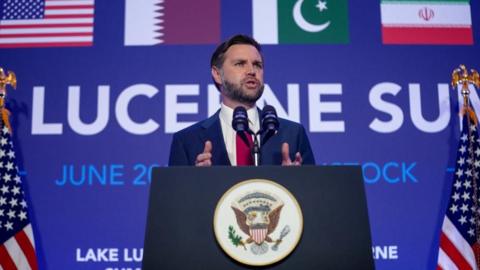
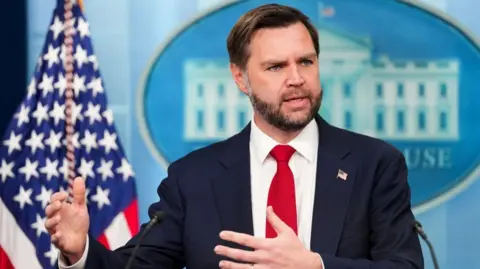
The White House also disclosed that US Vice-President JD Vance had been on standby to participate in the talks if they had proved successful. His absence from the initial delegation indicated diminishing expectations for a breakthrough.
Iran's President Masoud Pezeshkian previously maintained that Tehran was open to discussions but noted that breaches of commitments and threats posed significant barriers to sincere negotiations. Pakistan has facilitated recent communications between the two nations, including talks on April 11, which yielded no conclusions.
Araghchi's trip includes additional visits to Oman and Russia, and he reflected on his time in Pakistan as fruitful, revealing that he shared ideas for a workable framework to end the war with US officials but remained skeptical about the US's seriousness regarding diplomatic efforts. Pakistan's Prime Minister Shebaz Sharif emphasized the warm exchange of views in light of the regional situation.
Earlier, Iranian Foreign Minister Abbas Aragchi held discussions with Pakistan, who acted as a mediator, where he shared Iran's position on ending the war but expressed uncertainty about the US's genuine commitment to diplomacy.
Diplomatic efforts have hit a standstill despite Trump's extension of a ceasefire aimed at fostering discussions. Both countries remain in a deadlock concerning the critical Strait of Hormuz, which Iran has restricted passage through, amid ongoing US and Israeli military actions since February, alongside disputes over Tehran's nuclear ambitions.
The US has ramped up its naval presence in the strait, a vital route for approximately 20% of the world's oil supply, to curb Iranian oil exports. The White House previously indicated that the Iranian side was eager for negotiations when the trip was announced, but Iran clarified there were no plans for direct discussions.
Despite the cancellation of the US trip, Trump's comments suggest that the ceasefire will remain in place, although hopes for further face-to-face discussions seemed to diminish. Axios inquired whether the halted American trip implied a resumption of hostilities, to which Trump replied, No, it doesn't mean that. We haven't thought about it yet.
Upon announcing the cancellation, Trump remarked on the tremendous infighting and confusion prevalent within Iran's leadership and claimed that nobody knows who is in charge, including them. He declared on his Truth Social platform: Also, we have all the cards, they have none! If they want to talk, all they have to do is call!!!
The White House also disclosed that US Vice-President JD Vance had been on standby to participate in the talks if they had proved successful. His absence from the initial delegation indicated diminishing expectations for a breakthrough.
Iran's President Masoud Pezeshkian previously maintained that Tehran was open to discussions but noted that breaches of commitments and threats posed significant barriers to sincere negotiations. Pakistan has facilitated recent communications between the two nations, including talks on April 11, which yielded no conclusions.
Araghchi's trip includes additional visits to Oman and Russia, and he reflected on his time in Pakistan as fruitful, revealing that he shared ideas for a workable framework to end the war with US officials but remained skeptical about the US's seriousness regarding diplomatic efforts. Pakistan's Prime Minister Shebaz Sharif emphasized the warm exchange of views in light of the regional situation.